 EN
EN


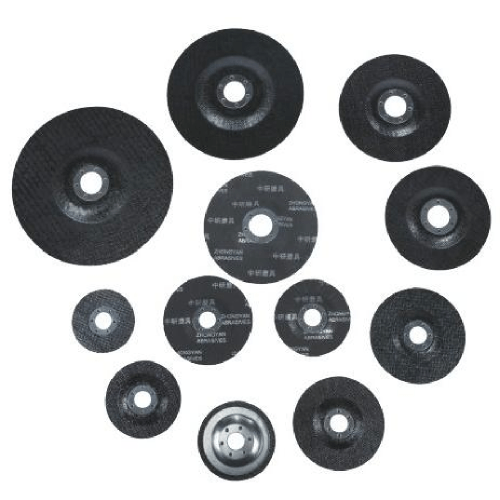
ပရောဖက်ရှင်နယ် သတ္ထုလုပ်ဆောင်မှုနှင့် အထုပ်အပိုးလုပ်ငန်းများတွင် အတိအကျရှိသော ကိရိယာများကို လိုအပ်ပါသည်။ ထိုကိရိယာများသည် အသုံးပုံအမျိုးမျိုးတွင် စိတ်ချရသော အရည်အသွေးမြင့်မှုများကို အမြဲတမ်း ပေးစေရန် လိုအပ်ပါသည်။ အသုံးများသော အရှိန်မြင့်ကိရိယာများအနက် ဖလပ်ဒစ် (flap disc) သည် အရှိန်မြင့်ခြင်း၊ ရောစပ်ခြင်းနှင့် အဆုံးသတ်ပေးခြင်း လုပ်ငန်းများအတွက် မရှိမဖြစ် အစိတ်အပိုင်းတစ်ခုဖြစ်ပါသည်။ ပရောဖက်ရှင်နယ်အသုံးပုံများအတွက် သင့်လျော်သော ကိရိယာကို ရွေးချယ်ရာတွင် ဤဒစ်များ၏ ပစ္စည်းဖွဲ့စည်းမှုကို နားလည်ထားရန် အလွန်အရေးကြီးပါသည်။
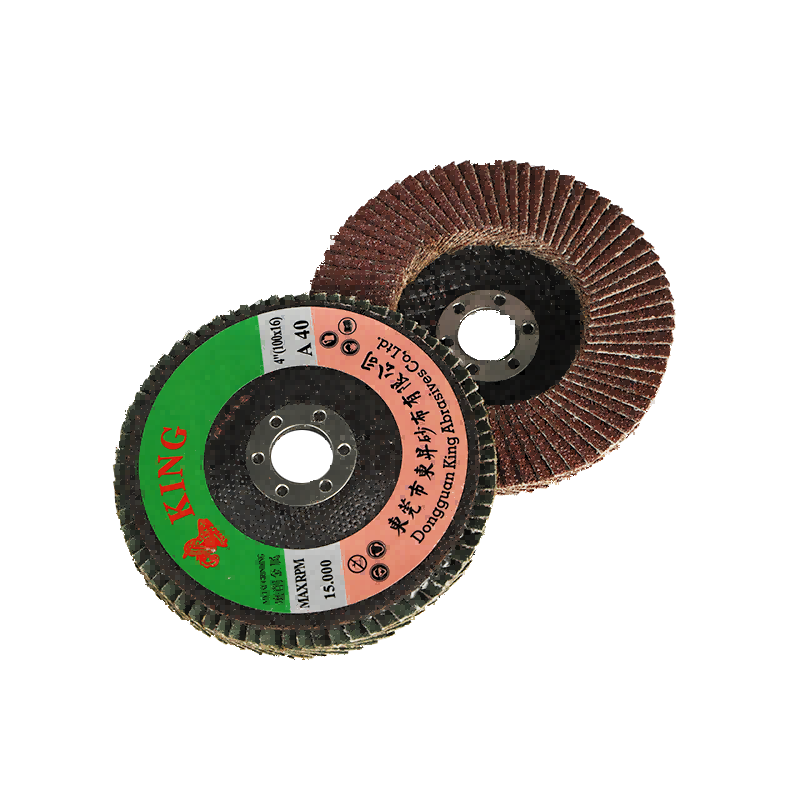
ဖလပ်ဒစ်များကို ပြုလုပ်ရာတွင် အသုံးပြုသည့် ပစ္စည်းများကို ရွေးချယ်မှုသည် ဖြတ်တောက်မှုစွမ်းရည်၊ သက်တမ်း၊ အပူခံနိုင်ရည်နှင့် မျက်နှာပုံအဆုံးသတ်အရည်အသွေးကို တိုက်ရိုက်သက်ရောက်မှုရှိပါသည်။ ပရောဖက်ရှင်နယ်အသုံးပြုသူများသည် သူတို့၏ ရည်ရွယ်ချက်အတွက် သင့်လျော်သော ပစ္စည်းဂုဏ်သတ္တိများကို လိုအပ်ပါသည်။ ထိုသို့သော အသုံးပြုမှုများသည် စတိန်လက်သံ (stainless steel)၊ ကာဗွန်သံ (carbon steel)၊ အလူမီနီယမ် (aluminum) သို့မဟုတ် အထူးသတ္ထုများ (exotic alloys) တွင် အသုံးပြုခြင်းဖြစ်နိုင်ပါသည်။ ဤစုံစမ်းစစ်ဆေးမှုသည် စက်မှုလုပ်ငန်းများတွင် ပရောဖက်ရှင်နယ်အဆင့် ရလဒ်များကို အမြဲတမ်း ပေးစေနေသည့် ဖလပ်ဒစ်များအတွက် အထိရောက်ဆုံး ပစ္စည်း (၅) များကို စုံစမ်းစစ်ဆေးပါသည်။
ပရောဖက်ရှင်နယ် ဖလပ်ဒစ်များ၏ ပစ္စည်းလိုအပ်ချက်များကို နားလည်ခြင်း
စက်မှုလုပ်ငန်းအသုံးပြုမှုအတွက် စွမ်းဆောင်ရည် အင်္ဂါရပ်များ
ပရော်ဖက်ရှင်နယ် ဖလပ်ဒစ်စ် (flap disc) အသုံးပြုမှုများတွင် အထိခိုက်မှုများများရှိသော အခြေအနေများအောက်တွင် စွမ်းဆောင်ရည်ကောင်းမွန်စွာ ထိန်းသိမ်းပေးနိုင်သည့် ပစ္စည်းများကို လိုအပ်ပါသည်။ အိုင်စ်အိုလေးရှင်း (abrasive) အမှုန်များ၏ ဖွဲ့စည်းပုံသည် အသုံးပြုမှုကြာမှုအတွင်း အမြဲတမ်း ထက်မှုန်စွမ်းရည်ကို ထိန်းသိမ်းပေးရမည်ဖြစ်ပြီး ပစ္စည်းဖျက်ခြင်းနှုန်းကို တစ်သျှူးတည်း ထိန်းသိမ်းပေးရမည်ဖြစ်သည်။ စက်မှုလုပ်ငန်းများတွင် ဖလပ်ဒစ်စ် (flap disc) ပစ္စည်းများသည် ပစ္စည်းပေါ်တွင် အမှုန်များ စုပုံခြင်း (loading) ကို ခံနိုင်ရည်ရှိရမည်၊ အရွယ်အစား တည်ငြိမ်မှုကို ထိန်းသိမ်းရမည်နှင့် အပူခါးများ ပြောင်းလဲမှုအောက်တွင် ခန့်မှန်းနိုင်သည့် စွမ်းဆောင်ရည်ကို ပေးစေရမည်ဖြစ်သည်။
အင်အားကြီးသော မှုန်ဖျက်ခြင်းလုပ်ငန်းများအတွင်း အပူထုတ်လုပ်မှုသည် ဖလပ်ဒစ်စ် (flap disc) ပစ္စည်းများအောက်တွင် အထိခိုက်မှုကြီးများကို ဖော်ပေးပါသည်။ ပရော်ဖက်ရှင်နယ်အဆင့် ပစ္စည်းများသည် အပူကို ထိရောက်စွာ ပျောက်ကွယ်စေရမည်ဖြစ်ပြီး အလုပ်လုပ်သည့် အရာဝတ္ထုများ၏ အရောင်ပြောင်းလဲမှုကို ကာကွယ်ပေးရမည်နှင့် မှုန်ဖျက်ခြင်း စွမ်းဆောင်ရည်ကို ထိန်းသိမ်းပေးရမည်ဖြစ်သည်။ အိုင်စ်အိုလေးရှင်း (abrasive) အမှုန်များကို ချိတ်ဆက်ထားသည့် ဘွန်းစနစ် (bond system) သည် အပူခါးပြောင်းလဲမှုများအောက်တွင် တည်ငြိမ်မှုကို ထိန်းသိမ်းရမည်ဖြစ်ပြီး အမှုန်များ ထိန်းချုပ်ထားသည့် ကွဲထွက်မှုကို ဖော်ပေးရမည်ဖြစ်သည်။ ထိုသို့ဖော်ပေးခြင်းဖြင့် အမှုန်များ၏ ထက်မှုန်စွမ်းရည်ကို အမြဲတမ်း ထိန်းသိမ်းပေးနိုင်မည်ဖြစ်သည်။
ပရောဖက်ရှင်နယ်လုပုပ်ငန်းများတွင် မျက်နှာပုံအဆုံးသတ်မှုအတွက် လိုအပ်ချက်များသည် အများအားဖြင့် အတိအကျရှိသော မျက်နှာပုံချောမွေ့မှု စံနှုန်းများနှင့် ညစ်ညမ်းမှုကင်းစင်မှုကို သတ်မှတ်ပေးပါသည်။ ဖလပ်ဒစ်များ၏ ပစ္စည်းများသည် အနောက်နောက်တွင် အချိန်နှင့်အမျှ အန်တီဂျင် (welding) သို့မဟုတ် အလွှာဖုံးခြင်း (coating application) ကဲ့သို့သော နောက်ဆုံးပိုင်းလုပ်ငန်းများကို ထိခိုက်စေနိုင်သည့် မလိုလားအပ်သော အရာများကို မထည့်သွင်းဘဲ အမျှတ်အသေးများကို တူညီစွာ ထုတ်လုပ်ပေးရမည်ဖြစ်သည်။ သို့သော် အထူးသဖြင့် သေးငယ်သော အရှိန်မှုန်များကို ခံနိုင်ရည်ရှိသော အသုံးအဆောင်များ (corrosion-resistant alloys) သို့မဟုတ် အစားအသောက်အတွက် သုံးရန် သင့်လျော်သော မျက်နှာပုံများ (food-grade surfaces) တွင် အသုံးပြုသည့်အခါ ပစ္စည်း၏ သန့်စင်မှုသည် အထူးအရေးကြီးပါသည်။
ခံနိုင်ရည်ရှိမှုနှင့် စုစုပေါင်းစုံတော်မှုအချက်များ
ပရောဖက်ရှင်နယ်လုပုပ်ငန်းများသည် ဖလပ်ဒစ်များ၏ ပစ္စည်းများကို အစပိုင်းဝယ်ယူစုစုပေါင်းစုံတော်မှု စုံတော်မှုများထက် ဖယ်ရှားထုတ်လုပ်သည့် ပစ္စည်းတစ်ယူနစ်အတွက် စုစုပေါင်းစုံတော်မှုကို အခြေခံ၍ အကဲဖြတ်ပါသည်။ အဆင့်မြင့်ပစ္စည်းများသည် အကောင်းမွန်ဆုံး အမျှတ်အသေးများ (optimized grain structures) နှင့် ပိုမိုကောင်းမွန်သော အသုံးအဆောင်များ (enhanced bond formulations) တွင် အသက်တာကြာရှည်မှုကို ပြသပါသည်။ ပစ္စည်း၏ စုံတော်မှုနှင့် စွမ်းဆောင်ရည် အသက်တာကြာရှည်မှုအကြား ဆက်န်းသော ဆက်သွယ်မှုသည် ထုတ်လုပ်မှုလုပ်ငန်းများတွင် လုပ်ငန်းဆောင်တွင် အမြတ်အစွန်းကို တိုက်ရိုက်သက်ရောက်မှုရှိပါသည်။
ထုတ်လုပ်မှုအစုအဖွဲ့များအကြား သဘောတူညီမှုရှိခြင်းသည် ကြိုတ်မှုရလဒ်များကို ခန့်မှန်းနိုင်စေပြီး လုပ်ငန်းစဉ်ပြောင်းလဲမှုများကို မကြာခဏ ပြုလုပ်ရန် လိုအပ်မှုကို ဖယ်ရှားပေးပါသည်။ ပရော်ဖက်ရှင်နယ်အဆင့်ရှိ ဖလပ်ဒစ်စ်ပစ္စည်းများကို အရည်အသွေးထိန်းချုပ်မှု စနစ်ကြီးများဖြင့် စိစိမ့်မှုဖြန့်ဖြူးမှု၊ ထုတ်လုပ်မှုအပေါက်များ၏ ထိန်းချုပ်မှုနှင့် ချောမွေ့သော အသိအမှတ်ပြုမှုအား ထိန်းသိမ်းရန် စနစ်ကြီးများဖြင့် စမ်းသပ်မှုများကို ပြုလုပ်ပါသည်။ ဤယုံကြည်စိတ်ချရမှုသည် ကိရိယာများကို အစားထိုးရန်နှင့် စွမ်းဆောင်ရည်ပြောင်းလဲမှုများကြောင့် ဖြစ်ပေါ်လာသော အချိန်ဆုံးမှုများကို လျော့နည်းစေပါသည်။
ပရော်ဖက်ရှင်နယ်အသုံးပြုသူများသည် စုစုပေါင်းသုံးစွဲမှုကို လျော့နည်းစေရန် အလုပ်လုပ်သည့် ပစ္စည်းများအပေါ်တွင် ထိရောက်စွာ အလုပ်လုပ်နိုင်သည့် ပစ္စည်းများကို မကြာခဏ လိုအပ်ပါသည်။ အခြားသော အခြေခံပစ္စည်းများပေါ်တွင် စွမ်းဆောင်ရည်ကို ထိန်းသိမ်းပေးသည့် စွယ်စုံဖလပ်ဒစ်စ်ပစ္စည်းများသည် လုပ်ငန်းဆောင်တာများကို ပိုမိုလွယ်ကူစေပြီး ဝယ်ယူမှုလုပ်ငန်းစဉ်များကို ရှင်းလင်းစေပါသည်။ ပရော်ဖက်ရှင်နယ်အဆင့်ရှိ ရလဒ်များကို ထိန်းသိမ်းရင်း ပစ္စည်းအမျိုးအစားနည်းနည်းသာ စံသတ်မှတ်ခြင်းသည် ယုံကြည်စိတ်ချရသည့် လုပ်ဆောင်မှုများအတွက် အရေးကြီးသည့် အကျိုးကျေးဇူးများကို ပေးစေပါသည်။
အလူမီနီယမ်အောက်ဆိုဒ် – ပရော်ဖက်ရှင်နယ်အဆင့် စွမ်းဆောင်ရည်၏ အခြေခံ
ဖွဲ့စည်းတည်ဆောက်မှုဆိုင်ရာ အားသာချက်များနှင့် စွမ်းဆောင်ရည် ဂုဏ်သတ္တိများ
အလူမီနီယမ်အောက်ဆိုဒ်သည် ပရော်ဖက်ရှင်နယ်အဆင့်တွင် အသုံးများဆုံး ပစ္စည်းဖြစ်ပါသည်။ ဖလ্যပ် ဒစ်စ် ၎င်း၏ ထူးခြားသော အမျှတသော အမာစေ့မှု၊ ခံနိုင်ရည်မှုနှင့် အပူခံနိုင်ရည်မှုတို့ကြောင့် အဆောက်အဦများ တည်ဆောက်ရာတွင် အသုံးများပါသည်။ အလူမီနီယမ် ၏ ရစ္စတယ်ဖွဲ့စည်းမှုသည် ဒီစ်ကို အသုံးပြုနေစဉ် အတော်လေး အချိန်ကြာမှုအထိ ထက်မှုန်သော ဖြတ်တောက်မှု အစွန်းများကို ထိန်းသိမ်းပေးသည့် ပုံစံတူ ကွဲထွက်မှုများကို ဖော်ပေးပါသည်။ ဤ ကိုယ်ပိုင် ထက်မှုန်လာသည့် အရည်အသွေးသည် ဖြတ်တောက်မှု စွမ်းဆောင်ရည်ကို အချိန်ကြာမှုအထိ ထိရောက်စွာ ထိန်းသိမ်းပေးပြီး ဖြတ်တောက်မှုအတွက် ဖိအားကို သိသိသာသာ မြင့်တက်စေခြင်း မရှိပါ။
အလူမီနီယမ် ოက်ဆိုက်ဒ်၏ သဲထုတ်စွမ်းရည်များသည် အပူထုတ်လုပ်မှုသည် အဓိကစိုးရိမ်မှုဖြစ်လာသည့် အမြန်နှုန်းမြင့် ခွေးခြင်းလုပ်ဆောင်မှုများအတွက် အထူးသင့်တော်ပါသည်။ ပရော်ဖက်ရှင်နယ်အသုံးပျော်များတွင် ဤပစ္စည်းသည် ဖြတ်တောက်မှုနေရာမှ အပူကို ထုတ်လုပ်ပေးနိုင်ခြင်းနှင့် ဖွဲ့စည်းမှုအား ထိန်းသိမ်းနိုင်ခြင်းတို့ကြောင့် အကျေးဇူးပါသည်။ အပူခါးများတွင် စိုးရိမ်ဖွယ်မှုမရှိဘဲ စွမ်းဆောင်ရည်များသည် လုပ်ဆောင်မှုအတိုင်းအတာပေါ် မှီခိုမှုမရှိဘဲ အမျှတ်အသေးများကို အာမခံပေးပါသည်။
အလူမီနီယမ် ოက်ဆိုက်ဒ် ဖလပ်ဒစ် ပစ္စည်းများသည် သံမဏိ သတ္တုများနှင့် အထူးကောင်းမွန်စွာ ကိုက်ညီမှုရှိပြီး သံမဏိ အသုံးပြု၍ အဆောက်အအိမ်များ တည်ဆောက်ခြင်းနှင့် အထွေထွေ သတ္တုလုပ်ငန်းများတွင် အသုံးပြုရန် အကောင်းဆုံးဖြစ်ပါသည်။ ဓာတုဗေဒအရ အကူးအပြောင်းမရှိခြင်းက အလုပ်လုပ်ရာတွင် အသုံးပြုသည့် ပစ္စည်းများနှင့် မလိုလားအပ်သည့် ဓာတုတုံ့ပြန်မှုများကို ကာကွယ်ပေးပါသည်။ ထို့ကြောင့် ညစ်ညမ်းမှုမရှိဘဲ သန့်ရှင်းသည့် အမျှတသော အမျှတသော အမျှတသော အမျှတသော အမျှတသော အမျှတသော အမျှတသော အမျှတသော အမျှတသော အမျှတသော အမျှတသော အမျှတသော အမျှတသော အမျှတသော အမျှတသော အမျှတသော အမျှတသော အမျှတသော အမျှတသော အမျှတသော အမျှတသော အမျှတသော အမျှတသော အမျှတသော အမျှတသော အမျှတသော အမျှတသော အမျှတသော အမျှတသော အမျှတသော အမျှတသော အမျှတသော အမျှတသော အမျှတသော အမျှတသော အမျှတသော အမျှတသော အမျှတသော အမျှတသော အမျှတသ......
အသုံးပြုမှု အကောင်းဆုံးဖော်ထုတ်ခြင်းနှင့် ပရော်ဖက်ရှင်နယ် အကျိုးကျေးဇူးများ
ပရော်ဖက်ရှင်နယ် စက်မှုလုပ်ငန်းများတွင် အလူမီနီယမ် ოက်ဆိုက်ဒ်၏ အသုံးပြုမှုကြာရှည်စွာ အသုံးပြုနေစဉ် အမျှတသော ဖယ်ရှားမှုနှုန်းများကို ထိန်းသိမ်းနိုင်မှုကြောင့် အကျေးဇူးပါသည်။ အမျှတသော အမျှတသော အမျှတသော အမျှတသော အမျှတသော အမျှတသော အမျှတသော အမျှတသော အမျှတသော အမျှတသော အမျှတသော အမျှတသော အမျှတသော အမျှတသော အမျှတသော အမျှတသော အမျှတသော အမျှတသော အမျှတသော အမျှတသော အမျှတသော အမျှတသော အမျှတသော အမျှတသော အမျှတသော အမျှတသော အမျှတသော အမျှတသော အမျှတသော အမျှတသော အမျှတသော အမျှတသော အမျှတသော အမျှတသော အမျှတသော အမျှတသော အမျှတသော အမျှတသော အမျှတသော အမျှတသ......
အလူမီနီယမ် ოက်ဆိုက်ဒ် ဖလပ် ဒစ်စ် ပစ္စည်းများ၏ အသုံးဝင်မှုသည် အများစုသော အမြှုပ်အများအပါးတွင် ကျော်ကြားပါသည်။ ထို့ကြောင့် အသုံးပြုမှုအမျိုးမျိုးအတွက် အကောင်းဆုံးဖြစ်အောင် ချိန်ညှိနိုင်ပါသည်။ ပိုမိုနုပ်သော အမျိုးအစားများသည် အရှိန်မြင့် ပစ္စည်းဖယ်ရှားရေးလုပ်ငန်းများအတွက် အထိရောက်မှုရှိသော ပစ္စည်းဖယ်ရှားမှုကို ပေးစေပါသည်။ အခြားတစ်ဖက်တွင် ပိုမိုမာသော အမျိုးအစားများသည် တိကျသော အဆုံးသတ်ပေးရေးလုပ်ငန်းများတွင် ပိုမိုကောင်းမွန်စွာ အသုံးပြုနိုင်ပါသည်။ ပရော်ဖက်ရှင်နယ်အသုံးပြုသူများသည် သူတို့၏ လုပ်ငန်းလိုအပ်ချက်များနှင့် ကိုက်ညီသော အမျိုးအစားကို ရွေးချယ်နိုင်ပါသည်။
အလူမီနီယမ် ოက်ဆိုက်ဒ် ဖလပ် ဒစ်စ် ပစ္စည်းများဖြင့် ရရှိသော မျက်နှာပုံအရည်အသွေးသည် နောက်ဆက်တွဲလုပ်ငန်းများအတွက် ပရော်ဖက်ရှင်နယ်စံနှုန်းများနှင့် ကိုက်ညီပါသည်။ အမျှတသော အစေးအများသည် မျက်နှာပုံအရည်အသွေးကို တူညီစေပါသည်။ ထိုသို့သော မျက်နှာပုံအရည်အသွေးသည် အလွှာများကို ကပ်ရှို့ရေးအတွက် အကောင်းဆုံးဖြစ်စေပါသည်။ ထို့အတူ အောက်ဆီဂျင် အိုင်းအိုင်းန် အသုံးပြုမှုများအတွက် အကောင်းဆုံး ပြင်ဆင်မှုကို ပေးစေပါသည်။ ပရော်ဖက်ရှင်နယ် ဖက်ဘရီကေတာများသည် ထို တူညီမှုကို အသုံးပြု၍ ထုတ်လုပ်မှုလုပ်ငန်းများတွင် အရည်အသွေးစံနှုန်းများကို ထိန်းသိမ်းနိုင်ပါသည်။
ဇီရွနီယာ အလူမီနီယာ - ပိုမိုတင်ဆောင်သော လုပ်ငန်းများအတွက် ပိုမိုကောင်းမွန်သော စွမ်းဆောင်ရည်
ခေတ်မှီပစ္စည်းများ၏ အဗျာပ်များနှင့် ပရော်ဖက်ရှင်နယ်အကျေးနောင်များ
ဇီရွနီယာ အလူမီနာသည် ဖလပ်ဒစ် ပစ္စည်းနည်းပညာတွင် အရေးကြီးသော တိုးတက်မှုကို ကိုယ်စားပြုပါသည်။ ၎င်းသည် အလူမီနီယံအောက်ဆိုဒ်၏ တည်ငြိမ်မှုနှင့် ဇီရွနီယံအောက်ဆိုဒ်၏ မြင့်မားသော ခံနိုင်ရည်ရှိမှုကို ပေါင်းစပ်ထားခြင်းဖြစ်ပါသည်။ ဤဟိုက်ဘရစ်ပစ္စည်းဖွဲ့စည်းမှုသည် သာမန်ပစ္စည်းများသည် အစောပိုင်းတွင် ပျက်စီးလေ့ရှိသည့် အမြင့်အတန်းသော ဖိအားဖြင့် ခွဲထုတ်ခြင်းလုပ်ငန်းများတွင် သာမန်ထက် ပိုမိုကောင်းမွန်သော စွမ်းဆောင်ရည်ကို ပေးစေပါသည်။ ပရော်ဖက်ရှင်နယ်လုပ်ငန်းများသည် အသက်တာကြာရှည်မှုနှင့် စွမ်းဆောင်ရည်အား တစ်သမတ်တည်း ထိန်းသိမ်းနိုင်မှုများမှ အကျေးဇူးပါသည်။
ဇီရွနီယာ-အလူမီနီယာ၏ အဏုကристာလ်ဖွဲ့စည်းမှုသည် အလွန်မြင့်မားသော ဖိအားအောက်တွင် ကွဲအက်မှုကို အထူးခြင်းဖြင့် ခံနိုင်ရည်ရှိပါသည်။ အလေးချိန်များသော ပစ္စည်းဖျက်ခြင်းကို ပါဝင်သည့် ပရော်ဖက်ရှင်နယ် ခွေးခြင်းလုပ်ဆောင်မှုများတွင် ဤပစ္စည်းသည် ဖြတ်တောက်မှုအစွန်းများကို စိုးရိမ်ဖွယ်မှုမရှိဘဲ ထိန်းသိမ်းနိုင်ခြင်းနှင့် အရှိန်အဟောင်းများကို အပြည့်အဝ ခံနိုင်ရည်ရှိခြင်းတို့ကြောင့် အကျေးဇူးပါသည်။ ထိန်းချုပ်ထားသည့် ကွဲအက်မှုစနစ်သည် ဖလပ်ဒစ်၏ အသုံးပြုမှုကာလတစ်လုံးလုံးတွင် အသစ်သော အက်ရှိုင်းများကို အဆက်မပြတ် ထုတ်ဖော်ပေးပါသည်။
ဇီရွနီယာ အလူမီနာ၏ ပူပိုင်းခံနိုင်ရည်ရှိသော ဂုဏ်သတ္တိများကြောင့် ၎င်းသည် စတီလ်အထည်များနှင့် အခြားပူပိုင်းခံနိုင်ရည်နည်းသော ပစ္စည်းများကို အသုံးပြုသည့် အသုံးချမှုများအတွက် အထူးသင့်တော်ပါသည်။ ပိုမိုကောင်းမွန်သော ပူပိုင်းတည်ငြိမ်မှုက အလုပ်လုပ်မှုအစိတ်အပိုင်းများ၏ အရောင်ပြောင်းလဲမှုကို ကာကွယ်ပေးပြီး ပုံမှန်ဖလပ်ဒစ်များ၏ ပစ္စည်းများကို ပျက်စီးစေနိုင်သည့် အခြေအနေများတွင် လုပ်ဆောင်မှုစွမ်းရည်ကို ထိန်းသိမ်းပေးပါသည်။ အထူးပြုထားသော အသုံးပြုမှုများတွင် အသုံးပြုသည့် ပရော်ဖက်ရှင်နယ်အသုံးပြုသူများသည် အရည်အသွေးစံနှုန်းများကို ထိန်းသိမ်းရန်အတွက် ဇီရွနီယာ အလူမီနာကို အရေးကြီးသော ပစ္စည်းအဖြစ် မှတ်ယူကြပါသည်။
အထူးပြုထားသော အသုံးချမှုများနှင့် စွမ်းဆောင်ရည်အကျိုးကျေးဇူးများ
အထူးပြုထားသော သံမဏေအထူးအောက်စိုက်များနှင့် စူပါအလွေးများကို အသုံးပြုသည့် ပရော်ဖက်ရှင်နယ်လုပ်ဆောင်မှုများသည် ဇီရွနီယာ အလူမီနာဖလပ်ဒစ်ပစ္စည်းများမှ အထူးသင့်တော်သော အကျိုးကျေးဇူးများကို ရရှိပါသည်။ ပိုမိုကောင်းမွန်သော ခံနိုင်ရည်ရှိမှုက အစေးအနေဖြင့် အစေးပွဲမှုကို အရင်တွင် ဖြစ်ပေါ်စေခြင်းကို ကာကွယ်ပေးပြီး စက်မှုလုပ်ဆောင်ရန် ခက်ခဲသည့် ပစ္စည်းများအတွက် လိုအပ်သော အားကောင်းသော လုပ်ဆောင်မှုစွမ်းရည်ကို ထိန်းသိမ်းပေးပါသည်။ ဤစွမ်းဆောင်ရည်အကျိုးကျေးဇူးများသည် လုပ်ဆောင်မှုများတွင် ထိရောက်မှုကို ပိုမိုကောင်းမွန်စေခြင်းနှင့် ကုန်ကုန်သုံးစွဲမှုစရိတ်ကို လျော့နည်းစေခြင်းတို့အဖြစ် တိုက်ရိုက်ပေါ်ပေါက်လာပါသည်။
ဇီရွနီယာ အလူမီနာ၏ ကိုယ်ပိုင် ထက်မှုန်းခြင်း စရိုက်လက္ခဏာများသည် စွမ်းဆောင်ရည် တည်ငြိမ်မှုကို အထူးအရေးကြီးသည့် အလိုအလျောက် မှုန်းခြင်းလုပ်ငန်းများတွင် အထူးအသုံးဝင်ပါသည်။ ကြိုတင်ခန့်မှန်းနိုင်သည့် ပုံစံအတိုင်း ပုံမှန်အားဖြင့် ပုံပေါ်လာသည့် အသုံးပျော့မှုများကြောင့် စက်ကိရိယာများ၏ အလုပ်လုပ်ချိန်ကို တိကျစွာ တွက်ချက်နိုင်ပြီး မျှော်လင့်မထားသည့် ကိရိယာအသုံးပြောင်းမှုများကို အနည်းဆုံးသို့ လျှော့ချပေးနိုင်သည့် ပရော်ဖက်ရှင်နယ် ထုတ်လုပ်မှုပတ်ဝန်းကျင်များသည် ဤအကျိုးကျေးနဲ့မှုများကို အကျေးနဲ့မှုရှိစေသည်။ ယင်း ယုံကြည်စိတ်ချရမှုသည် အရေအတွက်များစွာသော ထုတ်လုပ်မှုလုပ်ငန်းများတွင် စက်ပစ္စည်းများ၏ စုစုပေါင်း ထိရောက်မှုကို အထူးအရေးကြီးစွာ အထောက်အပံ့ပေးပါသည်။
ဇီရွနီယာ အလူမီနာ ဖလပ်ဒစ် ပစ္စည်းများကို အသုံးပြုခြင်းဖြင့် မျက်နှာပုံစံ၏ အရည်အသွေးကို ထိန်းသိမ်းပေးနိုင်ပါသည်။ ထိုသို့သော အရည်အသွေးသည် အရေးကြီးသည့် အစိတ်အပိုင်းများအတွက် ပရော်ဖက်ရှင်နယ် လိုအပ်ချက်များနှင့် ကိုက်ညီပါသည်။ ထိန်းချုပ်ထားသည့် ဖြတ်တောက်မှု လုပ်ဆောင်မှုသည် အပူအက်ဖက်တ် ဇုန်များကို အနည်းဆုံးသို့ လျှော့ချပေးပြီး အလုပ်လုပ်သည့် အစိတ်အပိုင်းများ၏ သေးငယ်သည့် သေးငယ်သည့် သေးငယ်သည့် သေးငယ်သည့် သေးငယ်သည့် သေးငယ်သည့် သေးငယ်သည့် သေးငယ်သည့် သေးငယ်သည့် သေးငယ်သည့် သေးငယ်သည့် သေးငယ်သည့် သေးငယ်သည့် သေးငယ်သည့် သေးငယ်သည့် သေးငယ်သည့် သေးငယ်သည့် သေးငယ်သည့် သေးငယ်သည့် သေးငယ်သည့် သေးငယ်သည့် သေးငယ်သည့် သေးငယ်သည့် သေးငယ်သည့် သေးငယ်သည့် သေးငယ်သည့် သေးငယ်သည့် သေးငယ်သည့် သေးငယ်သည့် သေးငယ်သည့် သေးငယ်သည့် သေးငယ်သည့်......
ဆီလီကွန် ကာဘိုင်ဒ် - အထူးပြုထားသည့် ပစ္စည်းများအတွက် တိကျသည့် စွမ်းဆောင်ရည်
ပရော်ဖက်ရှင်နယ် အသုံးပျော်မှုများအတွက် ထူးခြားသည့် ပစ္စည်း ဂုဏ်ရည်များ
စီလီကွန်ကာဘိုင်ဒ် ဖလပ်ဒစ် ပစ္စည်းများသည် အထူးသဖြင့် မကြွေသောသတ္ထုများနှင့် အထူးပစ္စည်းများကို အသုံးပြုသည့် ပရော်ဖက်ရှင်နယ်လုပ်ဆောင်မှုများအတွက် ထူးခွဲ့သော စွမ်းဆောင်ရည်များကို ပေးစေပါသည်။ ထက်မှုန်သော ထောင်လေးထောင်နှင့် ထောင်ထောင်များပါသော အစေးအနေသည် အလူမီနီယမ်၊ ဘရက်စ်၊ ကြေးနီနှင့် ပေါင်းစပ်ပစ္စည်းများပေါ်တွင် အထူးသဖြင့် ထိရောက်မှုရှိသော ထုတ်လုပ်မှုလုပ်ဆောင်မှုကို ပေးစေပါသည်။ ဤပစ္စည်းများကို အသုံးပြုသည့် ပရော်ဖက်ရှင်နယ် ထုတ်လုပ်သူများသည် စီလီကွန်ကာဘိုင်ဒ်၏ အထူးသဖြင့် ထုတ်လုပ်မှုစွမ်းရည်နှင့် မျက်နှာပြင်အရည်အသွေးကို အသုံးပြုကြပါသည်။
စီလီကွန်ကာဘိုင်ဒ်အစေးများ၏ အလွယ်တကူ ကွဲပွဲနိုင်သော သဘောသည် ဖလပ်ဒစ်၏ အသုံးပြုမှုကာလတစ်လျှောက် ထက်မှုန်သော ထုတ်လုပ်မှုအစေးများကို အမြဲတမ်း ဖော်ပေးပေးနိုင်ပါသည်။ ပရော်ဖက်ရှင်နယ်လုပ်ဆောင်မှုများသည် အစေးများ ထုတ်လုပ်မှုစွမ်းရည်ကို အမြဲတမ်း ထိန်းသိမ်းပေးသည့် အလွယ်တကူ ထုတ်လုပ်မှုအစေးများ၏ အကောင်အကွင်းကို အသုံးပြုခြင်းဖြင့် အကောင်အကွင်းများ ထုတ်လုပ်မှုစွမ်းရည် လျော့နည်းလာခြင်းကြောင့် ဖိအားများ တိုးမောင်းရန် လိုအပ်မှုကို ရှောင်ရှားနိုင်ပါသည်။ ဤသဘောသည် အတိအကျဖြစ်မှုကို အထူးအရေးကြီးသည့် အတိအကျဖြစ်မှုလုပ်ဆောင်မှုများတွင် အထူးသဖြင့် အသုံးဝင်ပါသည်။
စလစ်ကွန်ကာဘိုင်ဒ်၏ အပူလွှမ်းပေးမှုဂုဏ်သတ္တိများသည် စက်မှုလုပ်ငန်းအတွင်း အပူခါးသည့် အခြေအနေများကို သေချာစွာထိန်းသိမ်းရန် လိုအပ်သည့် အပူခါးသည့် ပစ္စည်းများအတွက် အကောင်းဆုံးဖြစ်စေသည်။ အလူမီနီယမ်အော်လော့များနှင့် ပေါင်းစပ်ပစ္စည်းများကို အသုံးပြုသည့် ပရော်ဖက်ရှင်နယ်အသုံးပြုမှုများသည် အပူထုတ်လုပ်မှုလျော့နည်းခြင်းနှင့် မျက်နှာပုံအရည်အသွေး မြင့်မားလာခြင်းတို့မှ အကျေးဇူးပါသည်။ ပစ္စည်း၏ အပူကို ထိရောက်စွာ ဖြ рассipation လုပ်နိုင်မှုသည် အလုပ်လုပ်သည့် အရာဝတ္ထုများ ပုံပျက်ခြင်းကို ကာကွယ်ပေးပြီး တိကျသည့် အတိုင်းအတာများကို ထိန်းသိမ်းပေးသည်။
အသုံးပြုမှုအလိုက် အကျေးဇူးများနှင့် ပရော်ဖက်ရှင်နယ်ရလေ့ရှိမှုများ
သံမဟာမ်သော သေးငယ်သည့် သေးငယ်သည့် သေးငယ်သည့် သေးငယ်သည့် သေးငယ်သည့် သေးငယ်သည့် သေးငယ်သည့် သေးငယ်သည့် သေးငယ်သည့် သေးငယ်သည့် သေးငယ်သည့် သေးငယ်သည့် သေးငယ်သည့် သေးငယ်သည့် သေးငယ်သည့် သေးငယ်သည့် သေးငယ်သည့် သေးငယ်သည့် သေးငယ်သည့် သေးငယ်သည့် သေးငယ်သည့် သေးငယ်သည့် သေးငယ်သည့် သေးငယ်သည့် သေးငယ်သည့် သေးငယ်သည့် သေးငယ်သည့် သေးငယ်သည့် သေးငယ်သည့် သေးငယ်သည့် သေးငယ်သည့် သေးငယ်သည့်......
စီလီကွန်ကာဘိုင်ဒ်၏ အခြားသော အလုပ်လုပ်ရမည့် ပစ္စည်းများနှင့် ဓာတုဆိုင်ရာ သ совместим်ဖြစ်မှုသည် ညစ်ညမ်းမှုအကြောင်းကြောင့် စိုးရိမ်မှုမရှိဘဲ သန့်စင်သော လုပ်ဆောင်မှုကို အာမခံပေးပါသည်။ အစားအသောက်အတွက် သုံးသည့် စတီလ်သံမဏိနှင့် ဆေးဘက်ဆိုင်ရာ ကိရိယာများ၏ အစိတ်အပိုင်းများကို အသုံးပြုသည့် ပရော်ဖက်ရှင်နယ်လုပ်ဆောင်မှုများသည် စီလီကွန်ကာဘိုင်ဒ်၏ ဓာတုအားဖြင့် အကူအညီမပေးသည့် သဘောသည်မှ အကျေးဇူးပါသည်။ ဤပစ္စည်း၏ တည်ငြိမ်မှုသည် ထုတ်ကုန်အရည်အသွေး သို့မဟုတ် စည်းမျဉ်းစည်းကမ်းများနှင့် ကိုက်ညီမှုကို ထိခိုက်စေနိုင်သည့် မလိုလားအပ်သည့် ဓာတုတုံ့ပြန်မှုများကို ကာကွယ်ပေးပါသည်။
စီလီကွန်ကာဘိုင်ဒ် ဖလပ်ဒစ် ပစ္စည်းများ၏ မျက်နှာပုံအဆုံးသတ်မှု စွမ်းရည်များသည် အသုံးပြုမှုအများအားဖြင့် အသွင်အပြင်အရ အရေးကြီးသည့် အသုံးပြုမှုများအတွက် ပရော်ဖက်ရှင်နယ်လုပ်ဆောင်မှုများ၏ လိုအပ်ချက်များကို အမြဲတမ်း ဖော်ထုတ်ပေးပါသည်။ အစိတ်အပိုင်းများ၏ အမျှတ်သော အစိတ်အပိုင်းကွဲပေါက်မှုပုံစံများသည် အခြားသော အကြမ်းဖျင်ပစ္စည်းများနှင့် မက်ခ်တ်တွေ့ရှိရသည့် အမျှတ်မှုမရှိမှုများကို ဖယ်ရှားပေးသည့် အမျှတ်သော မျက်နှာပုံအဆုံးသတ်မှုများကို ထုတ်လုပ်ပေးပါသည်။ ဗိသုက်နှင့် အလှဆင်ရေးဆိုင်ရာ အသုံးပြုမှုများတွင် ပရော်ဖက်ရှင်နယ်အသုံးပြုသူများသည် အလှအပဆိုင်ရာ စံနှုန်းများကို ထိန်းသိမ်းရန် ဤအမျှတ်သော အသုံးပြုမှုကို အားကိုးပါသည်။
စီရမစ် အလူမီနာ - အမြင့်ဆုံးစွမ်းဆောင်ရည်အတွက် ခေတ်မှီနည်းပညာ
ခေတ်မှီနည်းပညာနှင့် ပရော်ဖက်ရှင်နယ်အကျေးဇူးများ
စီရမစ် အလူမီနာသည် ဖလပ်ဒစ် ပစ္စည်းနည်းပညာတွင် အဆင့်မြင့်ဆုံး တိုးတက်မှုကို ကိုယ်စားပြုပြီး ပရော်ဖက်ရှင်နယ် ဂရင်ဒင်းလုပ်ဆောင်မှုများတွင် မကြုံစါးဖူးသော စွမ်းဆောင်ရည်ကို ပေးစေရန် အင်ဂျင်နီယာပုံစံဖော်ထားသော မှုန်များကို ပါဝင်စေသည်။ မိုက်ခရိုကရစ်တယ်လိုင်း ဒီဇိုင်းသည် ထိန်းချုပ်ထားသော ကွဲပွဲဖော်မှု အရည်အသွေးများကို ပေးစေပြီး အသုံးပြုမှုကြာမှုအတန်အသေးများတွင် အကောင်းဆုံး ဖြတ်တောက်မှု ပုံစံကို ထိန်းသိမ်းပေးသည်။ ပရော်ဖက်ရှင်နယ် လုပ်ငန်းများသည် စီရမစ် အလူမီနာမှ ရရှိသော ကိရိယာအသုံးပြုမှုကြာမှု ရှည်လျားမှုနှင့် စွမ်းဆောင်ရည် တည်ငြိမ်မှုများမှ အကျေးဇူးပါသည်။
စီရမစ် အလူမီနာ ဖလပ်ဒစ် ပစ္စည်းများ၏ အင်ဂျင်နီယာပုံစံဖော်ထားသော အပေါက်များသည် သမုိင်းကြောင်းအတိုင်း အသုံးပြုသော ပစ္စည်းများနှင့် နှိုင်းယှဉ်ပါက အောက်စီဂျင် ပေးစေရန် ပိုမိုကောင်းမွန်သော စွမ်းရည်နှင့် အမှုန်များကို ဖယ်ရှားရန် ပိုမိုကောင်းမွန်သော စွမ်းရည်များကို ပေးစေသည်။ ပရော်ဖက်ရှင်နယ် ဂရင်ဒင်းလုပ်ဆောင်မှုများသည် အပူထုတ်လုပ်မှု လျော့နည်းခြင်းနှင့် မျက်နှာပုံအရည်အသွေး မြင့်မှုများကို အာမ်ခ်မ်းသော အဆီပေးမှုနှင့် ချစ်ပ်များကို ဖယ်ရှားရန် ပိုမိုကောင်းမွန်သော စွမ်းရည်များမှ အကျေးဇူးပါသည်။ ဖွငေးလေးသော ဖွဲ့စည်းပုံသည် ပေါင်းစည်းမှုကို ကာကွယ်ပေးပြီး စိတ်ဖိစီးမှုများကြားတွင် ဖြတ်တောက်မှု စွမ်းရည်ကို ထိန်းသိမ်းပေးသည်။
ကေရမစ် အယ်လူမီနာ မှုန်များနှင့်အတူ အသုံးပြုသည့် အဆင့်မြင့် ချေပ်စနစ်များသည် ထူးခွင်းသော ကြိတ်ချီမှုကို ပေးစေပါက ထိန်းသိမ်းမှုကို ထိန်းချုပ်နိုင်ပါသည်။ ထိုသို့ဖြင့် အမြဲတမ်း ထက်မှုန်းမှုကို ထောက်ပံ့ပေးပါသည်။ ပရော်ဖက်ရှင်နယ် အသုံးပြုသူများသည် စုံစမ်းမှုများကို ခန့်မှန်းနိုင်သည့် အစုန်အဆို့များမှ အကုန်အကူးတွက်ချက်မှုများနှင့် ထိန်းသုံးမှု အစီအစဥ်များကို အကောင်အထည်ဖော်ရာတွင် အကျေးဇူးပါသည်။ အရည်အသွေး တူညီမှုသည် တိကျသော အသုံးပြုမှုများတွင် အရည်အသွေးကို ထိခိုက်စေနိုင်သည့် စွမ်းဆောင်ရည် ကွဲလေးများကို ဖယ်ရှားပေးပါသည်။
အမြင့်မားသော စွမ်းဆောင်ရည် အသုံးပြုမှုများနှင့် ပရော်ဖက်ရှင်နယ် အကျေးဇူးများ
အင်အားမြင့် ပစ္စည်းများကို အသုံးပြုသည့် ပရော်ဖက်ရှင်နယ် လုပ်ဆောင်မှုများသည် ကေရမစ် အယ်လူမီနာ၏ သာမန်ထက် ပိုမိုကောင်းမွန်သော ဖြတ်တောက်နိုင်စွမ်းနှင့် အသက်တာ ရှည်မှုတွင် အထူးသိမ်းသုံးမှုများကို ရရှိပါသည်။ မှုန်များ၏ ပိုမိုကောင်းမွန်သော ခံနိုင်ရည်သည် အစောပိုင်းတွင် ကွဲထွက်မှုကို ကာကွယ်ပေးပါသည်။ ထို့အပေါ် ထိရောက်စွာ ပစ္စည်းများကို ဖယ်ရှားရန် လိုအပ်သည့် ထက်မှုန်းသော အစွန်းများကို ထိန်းသိမ်းပေးပါသည်။ ပစ္စည်းများ၏ ဂုဏ်သတ္တိများသည် အရေးကြီးသည့် လေကြောင်းနှင့် အာကာသ အသုံးပြုမှုများတွင် ဤအရေးကြီးသော ပေါင်းစပ်မှုသည် အထူးအရေးကြီးပါသည်။
ကြေးဝါးအလူမီနာ၏ ပူပိုင်းဆိုင်ရာတည်ငြိမ်မှုသည် အပူခါးမှုပေါ်တွင် စံချိန်စံညွှန်းတူညီစွာ လုပ်ဆောင်နေရန် လိုအပ်သည့် ပရော်ဖက်ရှင်နယ်အသုံးပြုမှုများအတွက် အကောင်းဆုံးဖြစ်ပါသည်။ အပူပိုများစွာထုတ်လုပ်သည့် အမြန်နှုန်းမြင့် မှုန်မှုန်ခြင်းလုပ်ဆောင်မှုများသည် ကြေးဝါးအလူမီနာ၏ လုပ်ဆောင်ခွင့်အား ထိန်းသိမ်းနိုင်မှုကြောင့် စွမ်းဆောင်ရည်မှု ကျဆင်းမှုမရှိဘဲ အန်တီလုပ်ဆောင်နိုင်မှုကို အကျေးဇူးပုဒ်သည်။ ပရော်ဖက်ရှင်နယ်ထုတ်လုပ်မှုပတ်ဝန်းကျင်များသည် ထုတ်လုပ်မှုနှုန်းနှင့် အရည်အသွေးစံချိန်စံညွှန်းများကို ထိန်းသိမ်းရန် ဤတည်ငြိမ်မှုကို အခြေခံပါသည်။
ကြေးဝါးအလူမီနာ ဖလပ်ဒစ်ပ်ပစ္စည်းများဖြင့် ရရှိသည့် မျက်နှာပုံအရည်အသွေးသည် ပရော်ဖက်ရှင်နယ်အသုံးပြုမှုများ၏ အများဆုံး စိတ်ကုန်စေသည့် လိုအပ်ချက်များကို အမြဲတမ်း ဖော်ထုတ်ပေးနိုင်ပါသည်။ ထိန်းချုပ်ထားသည့် ဖြတ်တောက်မှုလုပ်ဆောင်မှုသည် အောက်ခြေအလွှာပါ ပျက်စီးမှုကို အနည်းဆုံးဖြစ်အောင် လုပ်ပေးပြီး မျှတသည့် မျက်နှာပုံအရည်အသွေးများကို ထုတ်လုပ်ပေးပါသည်။ ပရော်ဖက်ရှင်နယ်အရည်အသွေးထိန်းချုပ်မှုအစီအစဥ်များသည် အသုံးပြုမှုအများအပြားတွင် ဒုတိယအက်ဖ်ဖ်န်စီအော်ပရေးရှင်းများကို မလိုအပ်တော့သည့် ကြိုတင်ခန့်မှန်းနိုင်သည့် ရလေ့အတွက် အကျေးဇူးပုဒ်သည်။
ပရော်ဖက်ရှင်နယ်အသုံးပြုမှုများအတွက် နှိုင်းယှဉ်ရွေးချယ်မှု စံသတ်မှတ်ချက်များ
ပစ္စည်း၏ စွမ်းဆောင်ရည်နှင့် အသုံးပြုမှုလိုအပ်ချက်များကို ကိုက်ညီအောင် ရွေးချယ်ခြင်း
ပရောဖက်ရှင်နယ် ဖလပ်ဒစ် (flap disc) ရွေးချယ်မှုသည် အထူးသဖြင့် အသုံးပြုမှုလိုအပ်ချက်များနှင့် စွမ်းဆောင်ရည်များနှင့် ကိုက်ညီသည့် ပစ္စည်း၏ ဂုဏ်သတ္တိများကို သေချာစွာ ကိုက်ညီအောင် ရွေးချယ်ရန် လိုအပ်ပါသည်။ အမှုန်၏ မာကြေမှု၊ ခံနိုင်ရည်နှင့် ကွဲပေါ့လွယ်မှုတို့အကြား ဆက်နှီးမှုသည် အလုပ်လုပ်မှုပစ္စည်းအများအပြားပေါ်တွင် ဖြတ်တောက်မှုစွမ်းဆောင်ရည်နှင့် ကိရိယာအသက်တာကို ဆုံးဖြတ်ပေးပါသည်။ ဤဆက်နှီးမှုများကို နားလည်ခြင်းဖြင့် စုစုပေါင်း စုံလင်မှုနှင့် စွမ်းဆောင်ရည်အတွက် အကောင်းဆုံး ပစ္စည်းရွေးချယ်မှုကို ပေးစွမ်းနိုင်ပါသည်။
အလုပ်လုပ်မှုပစ္စည်း၏ ပစ္စည်းနှင့် ကိုက်ညီမှုသည် ပရောဖက်ရှင်နယ် ပစ္စည်းရွေးချယ်မှုတွင် အရေးကြီးသည့် အချက်ဖြစ်ပါသည်။ အဘယ်ကြောင့်ဆိုသော် အချို့သော ပစ္စည်းပေါင်းစပ်မှုများသည် ပိုမိုကောင်းမွန်သည့် ရလဒ်များကို ပေးစွမ်းနိုင်ပါသည်။ အချို့သော ပစ္စည်းပေါင်းစပ်မှုများသည် အစောပိုင်းတွင် ပုံပေါ်လာသည့် ပုံပိုင်းဆုံးရှုံးမှု (premature wear) သို့မဟုတ် မျက်နှာပုံပေါ်လှပ်မှုအရည်အသွေး ပြဿနာများကို ဖြစ်ပေါ်စေနိုင်ပါသည်။ ပရောဖက်ရှင်နယ်အသုံးပြုသူများသည် ဖလပ်ဒစ်ပစ္စည်းများနှင့် အလုပ်လုပ်မှုပစ္စည်း၏ အခြေခံပစ္စည်းများအကြား ဓာတုနှင့် အပူပိုင်းဆိုင်ရာ အပြန်အလှန်သက်ရောက်မှုများကို ထည့်သွင်းစဥ်းစားရန် လိုအပ်ပါသည်။ ထိုသို့ပြုလုပ်ခြင်းဖြင့် အကောင်းဆုံး စွမ်းဆောင်ရည်ကို အာမခံနိုင်ပါသည်။ ထို့အပါအဝင် ညစ်ညမ်းမှု (contamination) သို့မဟုတ် အရည်အသွေး ပေါ်လှပ်မှုများကို ရှောင်ရှားနိုင်ပါသည်။
အမြန်နှုန်း၊ ဖိအားနှင့် အအေးခံခြင်းအပါအဝင် လည်ပတ်မှုဆိုင်ရာ ကန့်သတ်ချက်များသည် ပစ္စည်းစွမ်းဆောင်ရည်နှင့် ရွေးချယ်ရေးစံနှုန်းများကို သိသိသာသာ လွှမ်းမိုးပါသည်။ ပရော်ဖက်ရှင်နယ်အသုံးချမှုများသည် မကြာခဏဆိုသလို အချို့သော flap disc ပစ္စည်းများကို အခြားပစ္စည်းများထက် ဦးစားပေးသည့် သတ်မှတ်ထားသော ကန့်သတ်ချက်အပိုင်းအခြားများတွင် လည်ပတ်လေ့ရှိသည်။ ဤဆက်နွယ်မှုများကို နားလည်ခြင်းသည် အမြင့်ဆုံးထိရောက်မှုနှင့် အရည်အသွေးအတွက် ပစ္စည်းရွေးချယ်မှုနှင့် လည်ပတ်မှုအခြေအနေနှစ်ခုလုံးကို အကောင်းဆုံးဖြစ်အောင် ပြုလုပ်နိုင်စေပါသည်။
စုစုပေါင်း စုံစမ်းသုံးသပ်မှုနှင့် ပရော်ဖက်ရှင်နယ်တန်ဖိုး
ဖလပ်ဒစ် (flap disc) ပစ္စည်းများကို ပရော်ဖက်ရှင်နယ်အဆင့်တွင် စုံစမ်းသုံးသပ်ရာတွင် အစပိုင်းဝယ်ယူမှုစုံစမ်းသုံးသပ်မှုသာမက စုံစမ်းသုံးသပ်မှုအားလုံးကို ထည့်သွင်းစဉ်းစားရပါမည်။ အဆင်ပေါင်းမြင့်မားသည့် ပစ္စည်းများသည် အသုံးပြုနိုင်သည့် ကာလရှည်ကြာမှု၊ မျက်နှာပုံအရည်အသွေး မြင့်မားမှုနှင့် နောက်ဆက်တွဲလုပ်ဆောင်မှုများ လျော့နည်းမှုတို့ကြောင့် အစပိုင်းတွင် စုံစမ်းသုံးသပ်မှုများ ပိုမိုမြင့်မားသည့် စုံစမ်းသုံးသပ်မှုကို အကျေးဇူးပြု၍ အကောင်းဆုံးအဖြစ် ဖော်ပြနိုင်ပါသည်။ ပရော်ဖက်ရှင်နယ် စုံစမ်းသုံးသပ်မှုတွင် အလုပ်သမ်းများ၏ အလုပ်လုပ်နိုင်မှု၊ အရည်အသွေး တည်ငြိမ်မှုနှင့် နောက်ဆက်တွဲလုပ်ငန်းစဉ်များပေါ်တွင် သက်ရောက်မှုများကို ထည့်သွင်းစဉ်းစားရပါသည်။
အဆင့်မြင့်သော ဖလပ်ဒစ် (flap disc) ပစ္စည်းများကြောင့် ထုတ်လုပ်မှုစွမ်းဆောင်ရည် တိုးတက်မှုများသည် ပရော်ဖက်ရှင်နယ် လုပ်ဖော်ကိုင်ဖက်များ၏ စုစုပေါင်း လုပ်ငန်းဆောင်ရည်ကို သိသိသာသာ အကျိုးသက်ရောက်မှုရှိစေပါသည်။ ပစ္စည်း၏ စွမ်းဆောင်ရည်နှင့် စက်ဝိုင်းအချိန် (cycle time) လျော့နည်းမှုအကြား ဆက်စပ်မှုသည် များသောအားဖြင့် အဆင့်မြင့်ပစ္စည်းများအတွက် ပေးရသော အပိုစုစုပေါင်းထက် ပိုမိုကြီးမားသော စုစုပေါင်းကုန်ကုန်သက်သော အကျိုးကျေးဇူးများကို ပေးစေပါသည်။ ပရော်ဖက်ရှင်နယ် လုပ်ငန်းများသည် သက်ဆိုင်ရာ ကုန်ကုန်အားလုံးကို ထည့်သွင်းစဉ်းစားသော စုံလင်သော ဆန်းစစ်မှုများမှ အကျေးဇူးပါသည်။
ပရော်ဖက်ရှင်နယ်အဆင့်ရှိ ဖလပ်ဒစ် (flap disc) ပစ္စည်းများမှ ပေးစေသော အရည်အသွေး တည်ငြိမ်မှုသည် အသုံးပြုမှုအခက်ခဲများတွင် အပေါ်ယံအများကြီး လျော့နည်းစေပါသည်။ ထုတ်လုပ်မှုလုပ်ငန်းတစ်ခုလုံးတွင် တိကျသော အတိုင်းအတာများနှင့် မျက်နှာပြင်အရည်အသွေး အချက်များကို ထိန်းသိမ်းနိုင်ခြင်းသည် အရည်အသွေးစံနှုန်းများကို လွန်စွာအရေးကြီးသော ပရော်ဖက်ရှင်နယ်လုပ်ငန်းများတွင် အရေးပါသော တန်ဖိုးကို ပေးစေပါသည်။ ဤတည်ငြိမ်မှုသည် အမြတ်အစွန်း တိုးတက်မှုနှင့် ဖောက်သည်များ၏ က удовлетворенность တိုးတက်မှုကို တိုက်ရိုက်အကျိုးသက်ရောက်စေပါသည်။
မေးလေ့ရှိသောမေးခွန်းများ
အလူမီနီယမ်အောက်ဆိုဒ် (aluminum oxide) ကို ပရော်ဖက်ရှင်နယ် ဖလပ်ဒစ် (flap disc) အသုံးပြုမှုများတွင် အများဆုံးရွေးချယ်ကြသည့် အကြောင်းရင်းများမှာ အဘယ်နည်း။
အလူမီနီယမ် ოက်ဆိုက်ဒ်သည် ပရော်ဖက်ရှင်နယ်အသုံးပျော်မှုအကုန်အကျအများဆုံး အကောင်းဆုံး စွမ်းဆောင်ရည်များကို ပေးစေသည့် အထူးသဖြင့် အကောင်းများသော ဟန်ချက်ညီမှုကို ပေးစေပါသည်။ ၎င်း၏ ကိုယ်ပိုင် အသွားထက်လာသည့် ဂုဏ်သတ္တိများသည် ကိရိယာ၏ အသုံးပျော်မှုကာလ တစ်လျှောက် အထိရောက်မှုရှိသော ဖြတ်တောက်မှုစွမ်းရည်ကို ထိန်းသိမ်းပေးပါသည်။ အပူခံနိုင်ရည် မှုသည် အလုပ်လုပ်ရာတွင် အရုပ်အသွင်ပြောင်းလဲမှုကို ကာကွယ်ပေးပါသည်။ ဤပစ္စည်း၏ ဓာတုဆိုင်ရာ အက်တ်တီဗ်မှုမှုသည် သံမဏိများအားလုံးနှင့် သ совместимဖြစ်စေပါသည်။ ထို့ကြောင့် ပရော်ဖက်ရှင်နယ် သံမဏိလုပ်ငန်းများအတွက် အများဆုံး လုံခြုံမှုရှိသော ရွေးချယ်မှုဖြစ်ပါသည်။
ဇီရွနီယာ အလူမီနီယမ်သည် အလူမီနီယမ် ოက်ဆိုက်ဒ်နှင့် နှိုင်းယှဉ်လျှင် အလေးချန်သော မှုန်ဖြတ်ခြင်းလုပ်ငန်းများတွင် မည်သို့ နှိုင်းယှဉ်မှုရှိပါသနည်း။
ဇီရွနီယာ အလူမီနာသည် စံနှုန်းအတိုင်းသော အလူမီနီယံအောက်ဆိုဒ်ထက် ပိုမိုကောင်းမွန်သော ခံနိုင်ရည်နှင့် ပူပိုင်းခံနိုင်ရည်ကို ပေးစေပါသည်။ ထို့ကြောင့် အဖိအားများသော မှုန်ဖွဲ့ခြင်းလုပ်ဆောင်မှုများနှင့် စက်မှုလုပ်ငန်းဖွဲ့စည်းရန် ခက်ခဲသော ပစ္စည်းများအတွက် အကောင်းဆုံးဖြစ်ပါသည်။ ဟိုက်ဘရစ်ပစ္စည်းဖွဲ့စည်းမှုသည် အလွန်ပိုမိုပြင်းထန်သော အခြေအနေများအောက်တွင် ကိရိယာအသက်တာကို ပိုမိုရှည်လျော်စေပါသည်။ ထို့အတူ ကျောက်ခဲသော ဖြတ်ခြင်းအစွန်းများကို ထိန်းသိမ်းပေးပါသည်။ ပရော်ဖက်ရှင်နယ်လုပ်ငန်းများသည် စတီလ်အိုင်ဗ် (Stainless Steel) နှင့် အလွန်များပြားသော အသေးစိတ်အောက်ဆိုဒ်ပစ္စည်းများကို အသုံးပြုသည့်အခါ ကိရိယာများကို ပုံမှန်အားဖြင့် အလူမီနီယံအောက်ဆိုဒ်ဒစ်စ်များဖြင့် အလွန်မြန်မြန် ပုံပေါ်လာသော ပုံပေါ်မှုများကို လျော့နည်းစေရန်နှင့် ပိုမိုတည်ငြိမ်သော လုပ်ဆောင်မှုများကို ရရှိစေရန်အတွက် ကိရိယာများကို ပြောင်းလဲရန် လိုအပ်မှုကို လျော့နည်းစေပါသည်။
ပရော်ဖက်ရှင်နယ်များသည် အခြားသော ဖလပ်ဒစ်စ်ပစ္စည်းများထက် စီလီကွန်ကာဘိုင်ဒ်ကို အခါများတွင် ရွေးချယ်သင့်ပါသည်။
ဆီလီကွန်ကာဘိုင်ဒ်သည် အယ်လူမီနီယမ်၊ ပြေးကြေးနှင့် ကြေးနီကဲ့သို့သော မကြွေသော သံမဟုတ်သည့် သံမှုန်များကို အသုံးပြုသည့် ပရောဖက်ရှင်နယ်လုပ်ငန်းများတွင် ဦးစားပေးရွေးချယ်မှုဖြစ်လာသည်။ ထိုသို့သော အသုံးပြုမှုများတွင် ၎င်း၏ ထက်မှုန်းပြီး ကွဲပြားသော သံမှုန်ဖွဲ့စည်းမှုက ပိုမိုကောင်းမွန်သော ဖြတ်တောက်မှုစွမ်းရည်ကို ပေးစေသည်။ ဤပစ္စည်း၏ လေးနက်မှုကို ခံနိုင်ရည်ရှိမှုနှင့် အလွန်ကောင်းမွန်သော အပူလွှဲပေးနိုင်မှုတို့က အပူကို အလွန်အမင်း အာရုံခံသည့် ပစ္စည်းများနှင့် တိကျမှုလိုအပ်သည့် အသုံးပြုမှုများအတွက် အကောင်းဆုံးဖြစ်စေသည်။ ပရောဖက်ရှင်နယ်အသုံးပြုသူများသည် ကွန်ပိုစစ်များကို အသုံးပြုနေစဉ် သို့မဟုတ် သံမဟုတ်သည့် ပစ္စည်းများပေါ်တွင် ပိုမိုကောင်းမွန်သော မျက်နှာပုံပေးရန် လိုအပ်သည့်အခါတွင် ဆီလီကွန်ကာဘိုင်ဒ်ကို ရွေးချယ်သင့်သည်။
စီရမစ် အလူမီနာ ဖလပ်ဒစ်များသည် ပရောဖက်ရှင်နယ် ထုတ်လုပ်မှုပတ်ဝန်းကျင်များတွင် အကောင်းဆုံးအကျေးဇူးများကို မည်သို့ပေးစေသနည်း။
စီရမစ် အလူမီနာသည် အဆင့်မြင့်ဆုံးသော ဖလပ်ဒစ်စ်နည်းပညာကို ကိုယ်စားပြုပြီး အထိခိုက်မှုများသော ပစ္စည်းများပေါ်တွင် ကိရိယာအသုံးပေါ်မှုကြာမှုနှင့် အထူးကောင်းမွန်သော စွမ်းဆောင်ရည်ကို ပေးစေပါသည်။ အင်ဂျင်နီယာမှ ဒီဇိုင်းထုတ်ထားသော အစေးအနှော်ဖွဲ့စည်းမှုသည် ပုံမှန်ပစ္စည်းများထက် ပိုမိုကြာရှည်စွာ အကောင်းဆုံးသော ဖြတ်တောက်မှုပုံစံကို ထိန်းသိမ်းပေးပါသည်။ ထို့အပ alongside မြှင့်တင်ထားသော အပေါ်ယံအပေါက်များသည် အအေးခံပေးသည့် အရည်များ ပိုမိုကောင်းမွန်စွာ စိမ့်ဝင်နိုင်စေပါသည်။ အထူးသဖြင့် အများအပြားထုတ်လုပ်မှုပတ်ဝန်းကျင်များတွင် ကိရိယာစုစုပေါင်းစရိတ်လျော့ချခြင်း၊ မျက်နှာပုံအရည်အသွေး မြှင့်တင်ခြင်းနှင့် သမူးရှင်များအတွက် ပိုမိုခန့်မှန်းနိုင်သော စွမ်းဆောင်ရည်များကို ပေးစေပါသည်။
အကြောင်းအရာများ
- ပရောဖက်ရှင်နယ် ဖလပ်ဒစ်များ၏ ပစ္စည်းလိုအပ်ချက်များကို နားလည်ခြင်း
- အလူမီနီယမ်အောက်ဆိုဒ် – ပရော်ဖက်ရှင်နယ်အဆင့် စွမ်းဆောင်ရည်၏ အခြေခံ
- ဇီရွနီယာ အလူမီနီယာ - ပိုမိုတင်ဆောင်သော လုပ်ငန်းများအတွက် ပိုမိုကောင်းမွန်သော စွမ်းဆောင်ရည်
- ဆီလီကွန် ကာဘိုင်ဒ် - အထူးပြုထားသည့် ပစ္စည်းများအတွက် တိကျသည့် စွမ်းဆောင်ရည်
- စီရမစ် အလူမီနာ - အမြင့်ဆုံးစွမ်းဆောင်ရည်အတွက် ခေတ်မှီနည်းပညာ
- ပရော်ဖက်ရှင်နယ်အသုံးပြုမှုများအတွက် နှိုင်းယှဉ်ရွေးချယ်မှု စံသတ်မှတ်ချက်များ
-
မေးလေ့ရှိသောမေးခွန်းများ
- အလူမီနီယမ်အောက်ဆိုဒ် (aluminum oxide) ကို ပရော်ဖက်ရှင်နယ် ဖလပ်ဒစ် (flap disc) အသုံးပြုမှုများတွင် အများဆုံးရွေးချယ်ကြသည့် အကြောင်းရင်းများမှာ အဘယ်နည်း။
- ဇီရွနီယာ အလူမီနီယမ်သည် အလူမီနီယမ် ოက်ဆိုက်ဒ်နှင့် နှိုင်းယှဉ်လျှင် အလေးချန်သော မှုန်ဖြတ်ခြင်းလုပ်ငန်းများတွင် မည်သို့ နှိုင်းယှဉ်မှုရှိပါသနည်း။
- ပရော်ဖက်ရှင်နယ်များသည် အခြားသော ဖလပ်ဒစ်စ်ပစ္စည်းများထက် စီလီကွန်ကာဘိုင်ဒ်ကို အခါများတွင် ရွေးချယ်သင့်ပါသည်။
- စီရမစ် အလူမီနာ ဖလပ်ဒစ်များသည် ပရောဖက်ရှင်နယ် ထုတ်လုပ်မှုပတ်ဝန်းကျင်များတွင် အကောင်းဆုံးအကျေးဇူးများကို မည်သို့ပေးစေသနည်း။