 EN
EN


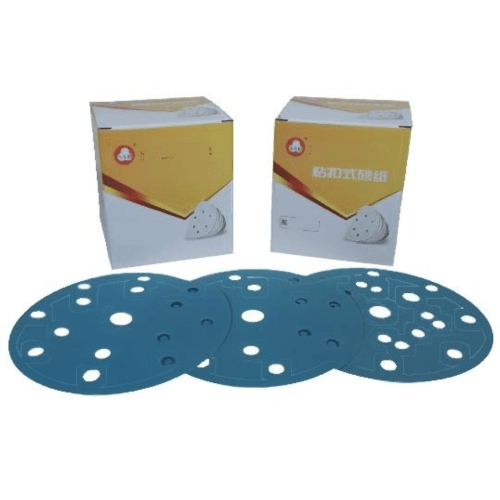
Choosing the right sandpaper for your project can significantly impact the quality of your finished work and the efficiency of your sanding process. With countless grit options, backing materials, and abrasive types available in 2026, making the correct selection requires understanding how each specification affects performance across different materials and applications. This comprehensive guide will walk you through the essential factors that determine which sandpaper delivers optimal results for your specific needs.
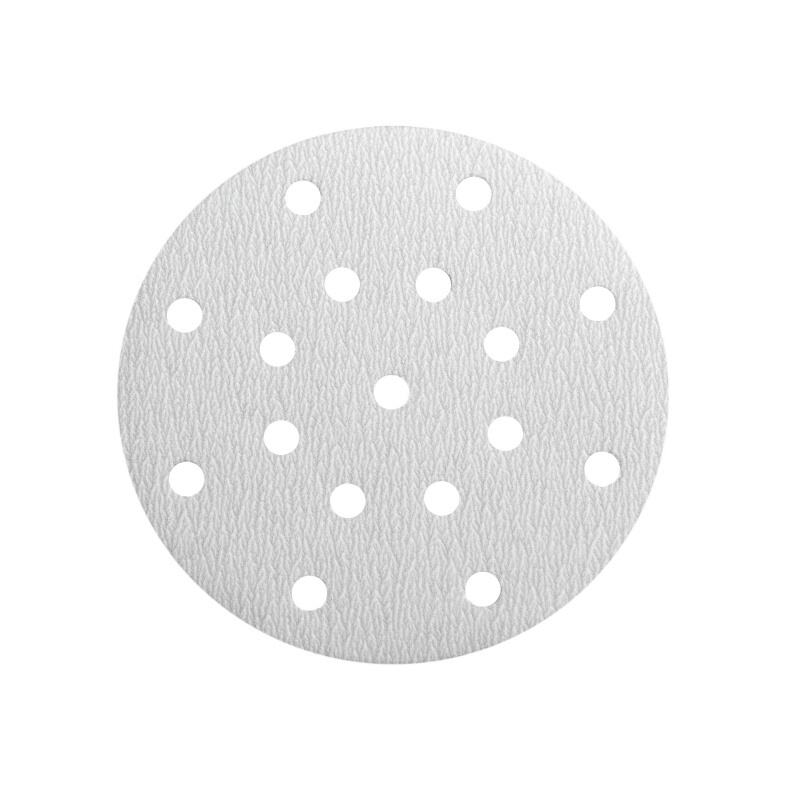
Modern sandpaper technology has evolved considerably, offering specialized solutions for everything from delicate finishing work to aggressive material removal. Understanding the relationship between grit size, abrasive material, and backing type enables you to select sandpaper that matches your project requirements while maximizing both efficiency and cost-effectiveness. The right choice eliminates common problems like scratching, clogging, and premature wear that can compromise your results.
Understanding Sandpaper Grit Classification Systems
Grit Number Standards and Their Meanings
The grit number on sandpaper indicates the size of abrasive particles, with higher numbers representing finer particles and lower numbers indicating coarser grits. This numbering system follows standardized scales, with CAMI (Coated Abrasive Manufacturers Institute) being the most common in North America. Understanding these standards helps you select the appropriate coarseness level for each stage of your project.
Coarse sandpaper typically ranges from 40 to 80 grit and excels at rapid material removal, paint stripping, and initial surface preparation. Medium grits from 100 to 150 provide balanced cutting action suitable for smoothing rough surfaces and removing minor imperfections. Fine grits between 180 and 320 focus on surface refinement and preparation for finishing applications.
Very fine sandpaper from 400 to 800 grit serves specialized finishing tasks, including smoothing between paint coats and achieving mirror-like surface quality. Ultra-fine options above 1000 grit enable polishing applications and final surface perfection. Each grit range serves distinct purposes, and proper selection prevents both inefficient work and surface damage.
Progressive Grit Sequencing Strategy
Effective sandpaper selection involves planning a logical progression through increasingly finer grits to achieve optimal surface quality. Starting with the coarsest grit that accomplishes your initial objectives, then advancing through intermediate grits, ensures efficient material removal without creating unnecessary scratches. This systematic approach minimizes total sanding time while maximizing surface quality.
The general rule suggests advancing through grits that differ by no more than 50-100 points to avoid visible scratch patterns in the final finish. For example, progressing from 120 to 180 to 240 grit creates a smoother transition than jumping directly from 120 to 320 grit. This methodical approach becomes especially critical when working with materials that show scratch marks easily.
Professional craftsmen often develop standardized grit sequences for different material types and finish requirements. Wood projects might progress from 120 to 180 to 220 grit for furniture-grade finishes, while metal polishing applications could advance from 400 to 800 to 1200 grit for mirror surfaces. Establishing these proven sequences streamlines project planning and ensures consistent results.
Abrasive Material Types and Performance Characteristics
Aluminum Oxide Abrasives
Aluminum oxide represents the most versatile and widely used abrasive material in modern sandpaper production. This synthetic abrasive offers excellent durability, consistent cutting action, and broad compatibility across wood, metal, and composite materials. Its self-sharpening properties ensure sustained performance as worn particles break away to expose fresh cutting edges throughout the sanding process.
The angular particle shape of aluminum oxide provides aggressive cutting action that efficiently removes material while producing relatively uniform scratch patterns. This characteristic makes aluminum oxide sandpaper ideal for general-purpose applications where balanced performance across different materials is valued over specialized characteristics. Its thermal stability also prevents premature breakdown during extended use or high-friction applications.
Different grades of aluminum oxide offer varying hardness levels and particle size distributions to optimize performance for specific applications. Brown aluminum oxide provides maximum durability for heavy-duty material removal, while white aluminum oxide offers superior surface quality for finishing applications. Understanding these variations helps you select the optimal aluminum oxide type for your specific requirements.
Silicon Carbide and Specialty Abrasives
Silicon carbide abrasives excel in applications requiring sharp cutting action and superior performance on hard materials like glass, ceramics, and hardened metals. The extremely hard and sharp particle structure of silicon carbide enables efficient material removal from surfaces that would quickly dull other abrasive types. This makes silicon carbide sandpaper essential for specialized applications despite its higher cost.
The brittle nature of silicon carbide particles creates fresh cutting edges as they fracture during use, maintaining aggressive cutting action throughout the sandpaper life. This self-sharpening characteristic proves particularly valuable when working with materials that generate significant heat or resist conventional abrasives. Silicon carbide also demonstrates excellent performance in wet sanding applications due to its chemical stability.
Ceramic and zirconia abrasives represent advanced options for demanding applications requiring maximum durability and heat resistance. These engineered abrasives maintain their cutting effectiveness under extreme conditions and provide extended service life that justifies their premium cost in high-production environments. Selecting these specialty abrasives becomes worthwhile when standard options fail to deliver acceptable performance or longevity.
Backing Material Selection for Different Applications
Paper and Cloth Backing Options
Paper backing provides the most economical option for hand sanding applications and light-duty power tool use. Different paper weights, designated by letters from A through E, offer varying flexibility and durability characteristics. Lighter paper backings conform better to curved surfaces and detail work, while heavier grades provide increased durability for flat surface sanding and moderate power tool applications.
Cloth backing delivers superior durability and flexibility compared to paper options, making it ideal for power tool applications and demanding hand sanding tasks. The woven textile structure resists tearing and provides consistent support for the abrasive coating under stress. Cloth-backed sandpaper proves especially valuable for edge sanding, contour work, and applications involving significant material removal pressure.
Polyester film backing represents a premium option that combines exceptional durability with precise thickness control and water resistance. This synthetic backing maintains dimensional stability under varying conditions and provides ultra-smooth sanding action ideal for fine finishing applications. Film-backed sandpaper often serves specialized applications where consistent surface quality and extended service life justify the increased cost.
Specialized Backing Systems
Foam backing creates sandpaper that conforms to irregular surfaces and provides cushioned sanding action that reduces the risk of over-sanding or creating unwanted texture. This backing type proves particularly valuable for curved surfaces, detailed woodwork, and applications requiring gentle material removal. The compressible nature of foam backing also helps distribute sanding pressure evenly across contact surfaces.
Mesh or screen backing eliminates clogging issues that plague solid-backed sandpaper when working with materials that generate fine dust or debris. The open structure allows particles to pass through rather than accumulating on the abrasive surface, maintaining consistent cutting action throughout extended use. Mesh-backed sandpaper excels in drywall finishing, paint removal, and other applications prone to loading problems.
Hook-and-loop or adhesive attachment systems provide convenient sandpaper changes on compatible power tools while ensuring secure mounting during operation. These systems eliminate time-consuming clamp adjustments and enable quick grit changes that maintain productivity during multi-stage sanding operations. Selecting compatible attachment systems streamlines workflow and reduces downtime in professional applications.
Application-Specific Selection Guidelines
Wood Working Applications
Wood species characteristics significantly influence optimal sandpaper selection, as different woods respond differently to various abrasive types and grit progressions. Softwoods like pine and cedar require careful grit selection to avoid tear-out and grain raising, while hardwoods like oak and maple can accommodate more aggressive initial grits for efficient material removal. Understanding wood grain patterns and density helps predict how different sandpaper types will perform.
End grain sanding presents unique challenges that require specialized sandpaper selection and technique. The exposed wood fibers in end grain tend to absorb more material and create different surface textures compared to face grain sanding. Starting with slightly coarser grits and progressing through finer grades more gradually often produces better results on end grain surfaces than standard face grain progressions.
Finishing schedules for different wood projects require carefully planned sandpaper progressions that prepare surfaces for specific topcoat systems. Clear finishes typically demand smoother surfaces achieved through finer final grits, while painted surfaces can accept slightly coarser final preparation. Matching your sandpaper selection to the intended finish system ensures optimal adhesion and appearance in the completed project.
Metal Surface Preparation
Metal types and conditions determine appropriate sandpaper characteristics for effective surface preparation and finishing. Ferrous metals like steel and iron typically require aggressive abrasives for rust removal and surface preparation, while non-ferrous metals like aluminum and brass respond better to specialized abrasives that prevent loading and achieve desired surface textures. Understanding metallurgy basics helps optimize sandpaper selection for metal projects.
Rust removal applications demand sandpaper with sufficient aggressiveness to penetrate surface corrosion while preserving underlying base metal. Silicon carbide and aluminum oxide abrasives both perform well in rust removal applications, though selection depends on the extent of corrosion and desired final surface condition. Progressive grit sequences ensure complete rust elimination while minimizing base metal removal.
Surface finishing for paint or coating applications requires sandpaper selections that create appropriate surface profiles for optimal adhesion. Different coating systems specify surface roughness requirements that guide final grit selection and preparation techniques. Achieving specified surface profiles ensures coating performance and longevity while preventing adhesion failures that compromise protection and appearance.
Quality Assessment and Selection Criteria
Performance Indicators and Testing
Evaluating sandpaper quality involves assessing multiple performance characteristics that affect both immediate results and long-term cost-effectiveness. Consistent abrasive distribution across the backing material ensures uniform cutting action and prevents premature wear in localized areas. High-quality sandpaper maintains consistent grit size distribution that produces predictable surface textures and scratch patterns throughout its service life.
Adhesive bond strength between abrasive particles and backing material determines how well sandpaper maintains its cutting effectiveness under stress. Premium sandpaper uses advanced bonding systems that resist particle loss while maintaining flexibility and conformability. Testing small samples on representative materials helps verify performance characteristics before committing to larger quantities for important projects.
Service life evaluation considers both cutting effectiveness duration and total material removal capacity to determine actual cost per unit of work accomplished. Higher-priced sandpaper often delivers superior total performance that reduces overall project costs despite increased initial investment. Documenting performance results helps establish preferred suppliers and product lines for different application categories.
Storage and Handling Considerations
Proper storage conditions preserve sandpaper performance characteristics and prevent premature degradation that affects cutting effectiveness and service life. Controlling humidity levels prevents moisture absorption that can weaken backing materials and cause dimensional changes. Temperature stability maintains adhesive bond integrity and prevents abrasive particle migration that compromises surface quality.
Inventory rotation ensures that sandpaper maintains peak performance characteristics when used in critical applications. Establishing first-in, first-out inventory practices prevents extended storage periods that may compromise product quality. Dating inventory and monitoring storage conditions helps identify potential quality issues before they affect project results.
Handling procedures that minimize contamination and physical damage preserve sandpaper effectiveness throughout the supply chain. Protecting abrasive surfaces from contact with oils, dirt, and other contaminants maintains cutting effectiveness and prevents surface defects. Careful handling also prevents backing material damage that could lead to premature failure during use.
FAQ
What grit sandpaper should I start with for furniture refinishing?
Start with 80-100 grit sandpaper for removing old finishes and major surface imperfections, then progress through 120, 180, and 220 grit for final smoothing. The exact starting grit depends on the condition of your furniture and the type of existing finish. Heavy paint buildup might require 60 grit, while light refinishing could begin at 120 grit.
How do I know when sandpaper needs replacement?
Replace sandpaper when it stops cutting effectively, becomes clogged with material, or shows visible wear patterns. Signs include increased sanding effort for the same results, surface scratches that don't match the grit rating, or visible abrasive particle loss. Quality sandpaper should maintain consistent performance until these indicators appear.
Can I use the same sandpaper for different materials?
While aluminum oxide sandpaper works across multiple materials, optimal results require matching sandpaper characteristics to specific materials. Wood, metal, and plastic each respond differently to various abrasive types and grit progressions. Using material-specific sandpaper selections ensures better results and prevents contamination between different project types.
What's the difference between wet and dry sandpaper?
Wet sandpaper features waterproof backing and adhesives that maintain integrity when used with water or other liquids for lubrication and debris removal. Dry sandpaper uses standard backing materials suitable only for dry applications. Wet sanding produces smoother finishes and reduces dust, while dry sanding offers faster material removal and simpler cleanup procedures.