 EN
EN


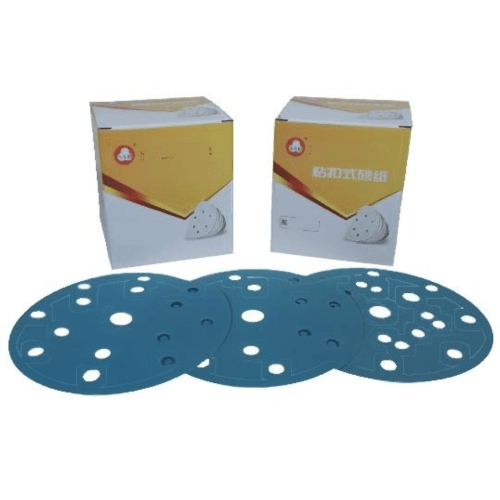
Selecting the right sandpaper for wood projects can make the difference between a professional-looking finish and a disappointing result. Wood surfaces require careful preparation, and understanding which grit, material, and technique to use will transform your woodworking outcomes. Whether you're refinishing furniture, preparing surfaces for staining, or smoothing rough lumber, the quality of your sandpaper for wood directly impacts the final appearance and durability of your project.
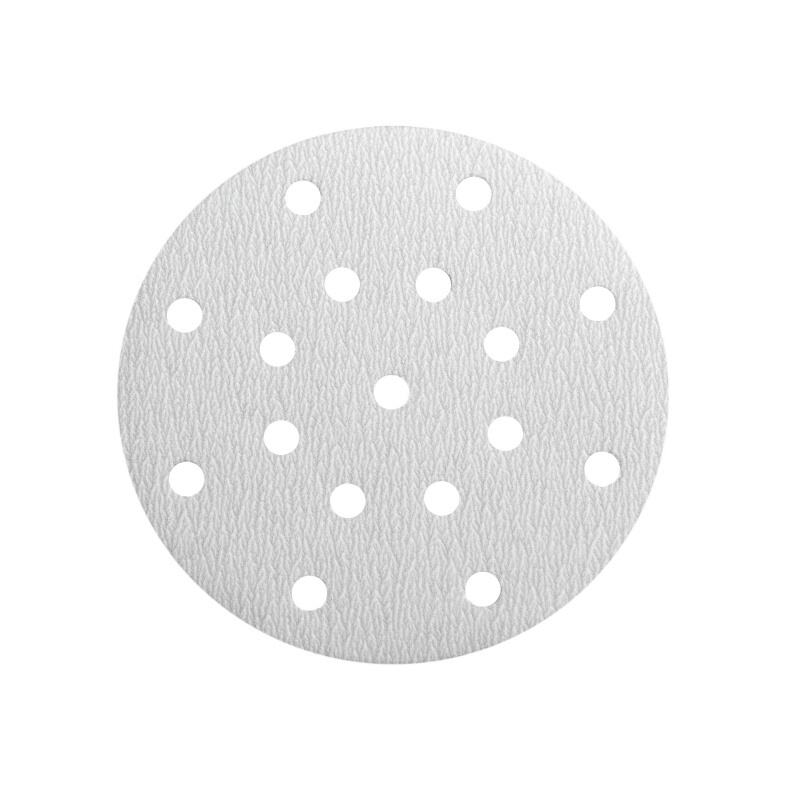
Professional woodworkers and experienced DIY enthusiasts understand that choosing sandpaper for wood involves more than grabbing any abrasive sheet from the shelf. Different wood species, project requirements, and finishing goals demand specific approaches to sanding. The wrong choice can create scratches that penetrate through stain, leave visible marks in the final finish, or require extensive additional work to correct. This comprehensive guide will help you navigate the essential factors that determine the best sandpaper for wood applications.
Understanding Sandpaper Grit Systems for Wood Applications
Coarse Grit Range and Primary Applications
Coarse grit sandpaper for wood typically ranges from 36 to 80 grit and serves as the foundation for most wood preparation projects. These aggressive abrasives excel at removing old finishes, smoothing extremely rough surfaces, and shaping wood quickly. When working with reclaimed lumber or heavily weathered surfaces, coarse grit sandpaper for wood becomes essential for establishing a workable foundation. The larger abrasive particles cut deep into the wood fibers, removing substantial material with each pass.
Professional furniture restorers often begin with 60-grit sandpaper for wood when stripping painted surfaces or removing thick polyurethane coatings. This grit level provides enough cutting power to work through multiple layers of finish without requiring excessive pressure or time. However, coarse sandpaper for wood should never be considered a final step, as it leaves deep scratches that must be progressively eliminated through finer grits.
The key to successful coarse grit application lies in maintaining consistent pressure and overlap patterns. Uneven sanding with coarse sandpaper for wood can create gouges or valleys that become visible under stain or clear finishes. Always sand with the grain direction when using coarse grits, as cross-grain scratches from aggressive abrasives can be extremely difficult to remove in subsequent sanding steps.
Medium Grit Applications and Progression Logic
Medium grit sandpaper for wood encompasses the 100 to 150 grit range and represents the transitional phase in most sanding sequences. This category bridges the gap between aggressive material removal and surface refinement, making it crucial for achieving professional results. Medium grit sandpaper for wood effectively removes the scratches left by coarse abrasives while beginning to develop the smooth surface required for finishing.
Most woodworking projects benefit from spending adequate time with medium grit sandpaper for wood, as rushing through this phase often creates problems in later steps. The 120-grit level has become a standard starting point for many projects involving dimensional lumber or pre-surfaced materials. This grit provides enough cutting action to remove mill marks and minor imperfections while establishing a consistent surface texture across the entire workpiece.
When working with hardwoods like oak or maple, medium grit sandpaper for wood requires careful attention to grain direction and pressure consistency. These dense wood species can develop burn marks or tear-out if the sanding technique becomes too aggressive. The goal during medium grit phases is steady progress rather than rapid material removal, ensuring that each pass contributes to overall surface uniformity.
Material Composition and Performance Characteristics
Aluminum Oxide Properties for Wood Sanding
Aluminum oxide represents the most common abrasive material in quality sandpaper for wood applications, offering an excellent balance of cutting efficiency and longevity. This synthetic abrasive maintains sharp cutting edges longer than natural alternatives, making it particularly valuable for extended sanding sessions or large projects. Aluminum oxide sandpaper for wood performs consistently across different wood species and density levels, providing predictable results that professional woodworkers depend upon.
The crystalline structure of aluminum oxide creates fracture patterns that expose fresh cutting surfaces as the abrasive wears, extending the useful life of each sheet. This self-sharpening characteristic makes aluminum oxide sandpaper for wood more cost-effective than alternatives that dull quickly and require frequent replacement. Additionally, the heat resistance of aluminum oxide prevents the abrasive breakdown that can occur during power sanding operations on resinous woods.
Quality aluminum oxide sandpaper for wood typically features a closed-coat construction, where abrasive particles cover most of the backing material surface. This configuration maximizes cutting efficiency and creates the smooth, uniform scratches necessary for high-quality wood finishes. The consistent particle distribution also reduces the likelihood of swirl marks or uneven surface texture that can compromise final appearance.
Silicon Carbide Applications and Advantages
Silicon carbide sandpaper for wood offers superior performance in specific applications, particularly when working with very hard woods or achieving ultra-smooth finishes. This abrasive material cuts more aggressively than aluminum oxide at equivalent grit ratings, making it valuable for challenging sanding situations. Silicon carbide sandpaper for wood excels in wet sanding applications, where the waterproof backing and abrasive properties combine to create exceptionally smooth surfaces.
The angular particle shape of silicon carbide creates more aggressive cutting action, which can be advantageous when removing stubborn finishes or working with exotic hardwoods. However, this same characteristic requires careful technique when using silicon carbide sandpaper for wood, as excessive pressure or improper angles can create deep scratches that prove difficult to eliminate. Professional finishers often reserve silicon carbide for specific applications rather than general-purpose sanding.
Between-coat sanding with fine silicon carbide sandpaper for wood has become standard practice in high-end finishing operations. The ability to use water as a lubricant prevents finish particles from clogging the abrasive surface while creating an ultra-smooth foundation for subsequent coats. This technique requires waterproof silicon carbide sandpaper for wood specifically designed for wet applications.
Backing Material Selection and Durability Factors
Paper Backing Characteristics and Limitations
Paper-backed sandpaper for wood remains popular for light-duty applications and detailed work where conformability matters more than durability. The flexibility of paper backing allows the abrasive to follow contoured surfaces and tight spaces that rigid alternatives cannot reach effectively. However, paper-backed sandpaper for wood has limited resistance to moisture and tearing, making it unsuitable for aggressive sanding or extended use periods.
Different paper weights affect the performance characteristics of sandpaper for wood significantly. Lightweight papers offer maximum flexibility but tear easily under stress, while heavier paper grades provide better durability at the cost of reduced conformability. The choice between paper weights depends on the specific application requirements and the balance between flexibility and longevity needed for each project.
Quality paper-backed sandpaper for wood features resin bonding systems that secure the abrasive particles effectively while maintaining backing flexibility. However, extended exposure to heat or moisture can compromise the adhesive bond, leading to premature abrasive loss. Understanding these limitations helps determine when paper-backed options provide the best value and when more durable alternatives become necessary.
Cloth and Film Backing Performance Benefits
Cloth-backed sandpaper for wood delivers superior durability and tear resistance compared to paper alternatives, making it ideal for power sanding applications and extended use. The woven fabric backing distributes stress more evenly across the abrasive surface, preventing the localized failures that commonly affect paper-backed products. This characteristic makes cloth-backed sandpaper for wood particularly valuable for belt sanders and other aggressive power tools.
The flexibility of cloth backing allows effective sanding of curved and irregular surfaces while maintaining the structural integrity necessary for consistent performance. Professional cabinet makers and furniture manufacturers often specify cloth-backed sandpaper for wood in production environments where reliability and consistent results are essential. The higher initial cost of cloth backing is typically offset by extended service life and reduced replacement frequency.
Film-backed sandpaper for wood represents the premium option for applications requiring maximum durability and precise surface control. The plastic film backing provides dimensional stability that prevents stretching or distortion during use, ensuring consistent abrasive contact across the entire surface. This stability makes film-backed sandpaper for wood particularly valuable for achieving uniform finishes on large flat surfaces or precision woodworking applications.
Application Techniques and Professional Methods
Hand Sanding Strategies and Pressure Control
Effective hand sanding with sandpaper for wood requires understanding how pressure, angle, and movement patterns affect surface quality. Excessive pressure compresses the abrasive particles and reduces cutting efficiency while potentially creating heat buildup that can burn or discolor wood surfaces. The optimal approach involves allowing the abrasive particles to do the work while maintaining consistent, moderate pressure throughout each stroke.
Proper hand sanding technique with sandpaper for wood involves overlapping strokes that follow the grain direction consistently. Cross-grain scratches become particularly visible under stain or clear finishes, making grain-following essential for professional results. The stroke length should extend beyond the workpiece edges when possible, preventing the buildup of ridges or valleys at the boundaries between sanded and unsanded areas.
Sanding block usage transforms the effectiveness of hand sanding with sandpaper for wood by distributing pressure evenly across the abrasive surface. Without proper backing, sandpaper for wood tends to follow surface irregularities rather than correcting them, leading to wavy or uneven results. Quality sanding blocks maintain flat reference surfaces while providing comfortable grip and consistent pressure distribution.
Power Sanding Considerations and Safety Practices
Power sanding with sandpaper for wood amplifies both the potential for excellent results and the risk of serious mistakes. Orbital sanders, belt sanders, and random-orbit sanders each require specific techniques and sandpaper types to achieve optimal performance. Understanding the relationship between tool characteristics and sandpaper for wood selection prevents common problems like swirl marks, burn spots, and uneven surface texture.
Heat generation during power sanding can compromise both the sandpaper for wood performance and the workpiece quality. Excessive speed or pressure causes abrasive particles to dull rapidly while potentially scorching wood surfaces, particularly in resinous species like pine or cedar. Professional techniques emphasize lighter pressure and frequent movement to prevent heat buildup while maintaining efficient material removal rates.
Dust collection becomes critical when power sanding with sandpaper for wood, as airborne particles create health hazards and interfere with surface evaluation. Quality dust extraction systems also prevent abrasive clogging, extending the useful life of each sheet while maintaining consistent cutting performance. Many modern sandpaper for wood products feature hole patterns designed to work with specific dust collection systems.
FAQ
What grit sequence should I follow when sanding hardwood floors?
For hardwood floor refinishing, start with 36 or 40 grit sandpaper for wood to remove old finishes and level the surface, then progress through 60, 80, and 120 grit stages. Each grit should remove the scratches from the previous stage while creating finer scratches for the next step. Always use a drum sander or belt sander for the coarse stages, finishing with orbital sanders and fine sandpaper for wood to achieve smooth, uniform results ready for staining and finishing.
How do I prevent sandpaper from clogging when working with resinous woods?
Prevent clogging by using open-coat sandpaper for wood that has wider spacing between abrasive particles, allowing resin and debris to escape more easily. Apply light pressure and keep the sandpaper moving to prevent heat buildup that melts resin into the abrasive surface. Consider using sandpaper for wood treated with anti-clog coatings, and clean the surface frequently with compressed air or a sanding block cleaner to maintain cutting efficiency.
Can I use the same sandpaper for different wood species in one project?
While you can use the same sandpaper for wood across different species, be aware that hardwoods and softwoods sand at different rates and may require adjusted techniques. Softwoods tend to clog sandpaper faster and may require more frequent cleaning or replacement. Start with the hardest wood species to establish your grit progression, then adjust pressure and speed when moving to softer woods to prevent oversanding or surface damage.
What's the difference between open-coat and closed-coat sandpaper for wood projects?
Closed-coat sandpaper for wood has abrasive particles covering most of the backing surface, providing maximum cutting efficiency and smooth finishes but clogging more easily. Open-coat varieties have wider spacing between particles, reducing clogging and extending service life when working with soft woods, paint removal, or resinous materials. Choose closed-coat sandpaper for wood when achieving the smoothest possible finish, and open-coat when working with materials prone to loading the abrasive surface.