 EN
EN


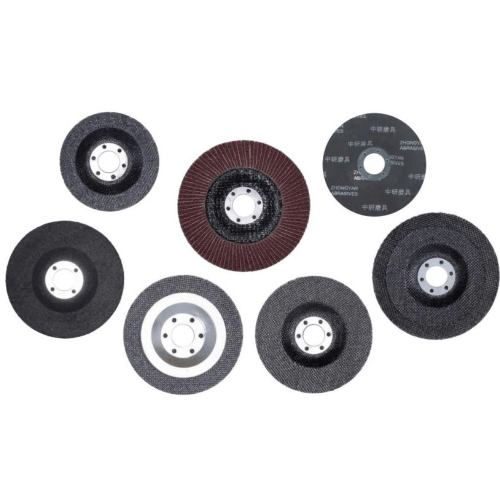
When working with various surface finishing applications, polishing pads serve as essential tools that can make or break your project results. Many professionals and DIY enthusiasts encounter challenges that could be easily avoided with proper knowledge and technique. Understanding these common pitfalls will help you achieve superior finishes while extending the lifespan of your equipment and materials.
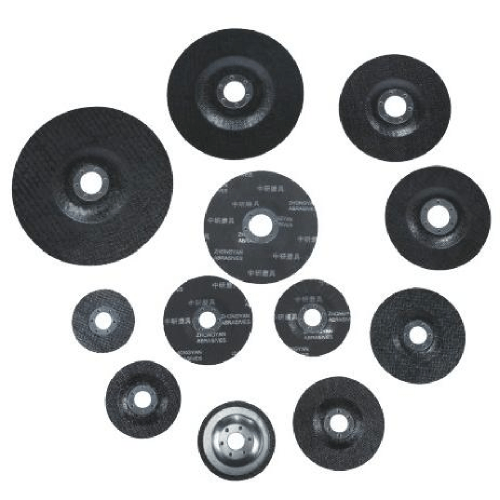
The effectiveness of your polishing process depends heavily on proper pad selection, preparation, and maintenance techniques. Professional contractors and workshop technicians who master these fundamentals consistently deliver exceptional results while minimizing material waste and operational costs. Whether you're working on automotive surfaces, stone countertops, or metalwork projects, avoiding these frequent errors will significantly improve your finishing outcomes.
Selecting the Wrong Pad Type for Your Application
Understanding Pad Material Composition
Different polishing pads are engineered with specific materials and densities to handle particular surface types and finishing requirements. Foam pads work excellently for paint correction and delicate surfaces, while felt pads excel in metalwork applications. Microfiber polishing pads offer superior cut and finish capabilities for automotive detailing, whereas wool pads provide aggressive cutting action for heavy correction work.
Many users make the mistake of using aggressive pads on sensitive surfaces or selecting overly gentle pads for demanding applications. This mismatch leads to poor results, extended work times, and potential surface damage. Understanding the relationship between pad firmness, material composition, and intended use ensures optimal performance across different projects.
Matching Pad Specifications to Surface Requirements
Surface hardness, existing condition, and desired finish level should dictate your pad selection process. Hard surfaces like granite or concrete require diamond-embedded or resin-bonded polishing pads, while softer materials need gentler foam or microfiber alternatives. The mistake often occurs when users apply a one-size-fits-all approach without considering these critical factors.
Professional results depend on matching pad aggressiveness to the correction level needed. Light swirl removal requires different polishing pads than heavy scratch elimination or oxidation correction. Taking time to assess surface conditions and selecting appropriate pad specifications prevents unnecessary rework and achieves desired results efficiently.
Improper Speed and Pressure Application
Finding the Optimal Operating Speed
Operating speed significantly impacts polishing pad performance and longevity. Too high speeds generate excessive heat, causing pad degradation and potential surface damage. Conversely, insufficient speed fails to activate polishing compounds properly, resulting in poor cut and finish quality. Each pad type has an optimal speed range that maximizes effectiveness while minimizing wear.
Variable speed tools allow precise control, but many users default to maximum settings without considering the specific requirements of their polishing pads and compounds. Starting with moderate speeds and adjusting based on results provides better control and prevents common mistakes that compromise finish quality.
Applying Appropriate Pressure Techniques
Excessive pressure represents one of the most frequent errors in polishing applications. Heavy-handed techniques cause premature pad wear, generate excessive heat, and can damage sensitive surfaces. polishing pads work most effectively with light to moderate pressure, allowing the compound and pad texture to perform the cutting action.
Learning to let the tool and pad do the work takes practice but yields superior results. Consistent, light pressure maintains even contact across the work surface while preventing gouging or burning. This technique also extends pad life and reduces fatigue during extended polishing sessions.
Neglecting Proper Cleaning and Maintenance
Regular Pad Cleaning Procedures
Contaminated polishing pads lose effectiveness rapidly and can cause surface scratches or swirl marks. Compound residue, debris, and worn material accumulate during use, creating an abrasive surface that damages rather than improves finishes. Implementing regular cleaning procedures maintains pad performance and prevents costly mistakes.
Different cleaning methods suit various pad types and contamination levels. Compressed air removes loose debris effectively, while dedicated pad cleaning solutions dissolve compound residues. Some polishing pads benefit from gentle brushing or washing, but aggressive cleaning can damage pad structure and reduce lifespan.
Storage and Preservation Methods
Proper storage extends polishing pad life and maintains consistent performance characteristics. Exposure to extreme temperatures, moisture, or contamination degrades pad materials and affects their polishing capabilities. Clean, dry storage in protective containers prevents these issues while keeping pads ready for immediate use.
Organizing different pad types separately prevents cross-contamination and accidental misuse. Labeling storage containers with pad specifications helps maintain consistency across projects and team members. This systematic approach reduces errors and ensures optimal results from your polishing pad investment.
Using Incorrect Compound Combinations
Understanding Compound and Pad Compatibility
The relationship between polishing compounds and pad materials determines cutting efficiency and finish quality. Certain compounds work synergistically with specific pad types, while incompatible combinations produce poor results or surface damage. Water-based compounds perform differently than oil-based alternatives, requiring appropriate pad selection for optimal results.
Many users overlook manufacturer recommendations for compound and pad pairings, leading to suboptimal performance. Reading technical specifications and following proven combinations ensures consistent results while avoiding costly trial-and-error approaches. Professional-grade polishing pads often come with specific compound recommendations that maximize their effectiveness.
Avoiding Over-Application of Compounds
Excessive compound application wastes materials and can actually hinder polishing pad performance. Too much product creates a slurry that prevents proper pad-to-surface contact, reducing cutting efficiency and finish quality. The correct amount varies by compound type, surface area, and environmental conditions.
Starting with minimal compound application and adding more as needed prevents waste while maintaining optimal working conditions. This approach allows better control over the polishing process and helps identify the ideal amount for specific applications. Experienced users develop a feel for proper compound quantities that maximize polishing pad effectiveness.
Ignoring Environmental Factors
Temperature Control Considerations
Temperature significantly affects both polishing pad performance and compound behavior. High ambient temperatures cause compounds to dry quickly, reducing working time and potentially creating surface defects. Cold conditions may make certain pad materials rigid and less effective, while compounds become thick and difficult to work with.
Monitoring and controlling environmental conditions helps maintain consistent polishing pad performance across different seasons and locations. Indoor climate control provides ideal working conditions, while outdoor projects require careful timing and technique adjustments. Understanding these factors prevents many common mistakes that occur when environmental conditions change.
Humidity and Dust Management
High humidity affects compound curing and can cause polishing pads to become contaminated with moisture-related debris. Conversely, extremely dry conditions may cause static buildup that attracts dust particles to freshly polished surfaces. Maintaining appropriate humidity levels and implementing dust control measures ensures optimal working conditions.
Clean work environments prevent contamination that can embed in polishing pads and cause surface scratches. Regular cleaning of work areas, proper ventilation, and protective measures help maintain the integrity of both pads and finished surfaces. These preventive steps avoid costly rework and maintain professional-quality results.
FAQ
How often should I replace my polishing pads during extended projects
Replace polishing pads when you notice reduced cutting efficiency, visible wear patterns, or contamination that cleaning cannot remove. Typically, foam pads require replacement after 3-5 panels in automotive applications, while more durable pads may last through larger projects. Monitor pad condition closely and have replacements ready to maintain consistent results throughout your work.
Can I use the same polishing pads for different types of compounds
While possible, dedicating specific polishing pads to particular compound types prevents cross-contamination and ensures optimal performance. Different compounds may leave residues that affect subsequent applications, leading to inconsistent results. If you must use the same pads with different compounds, thorough cleaning between applications is essential to maintain effectiveness.
What causes polishing pads to leave swirl marks on surfaces
Swirl marks typically result from contaminated polishing pads, excessive pressure, incorrect speed settings, or using overly aggressive pads for the application. Debris embedded in pad surfaces acts like sandpaper, creating circular scratches. Regular cleaning, proper technique, and appropriate pad selection prevent these issues and ensure smooth, swirl-free finishes.
How do I know if my polishing pads are generating too much heat
Excessive heat generation becomes apparent through hot pad surfaces, compound drying rapidly, or surface discoloration. Reduce speed settings, decrease pressure, or take cooling breaks if you notice these signs. Proper technique should keep polishing pads warm but not uncomfortably hot to touch, ensuring both safety and optimal performance throughout your project.