 EN
EN


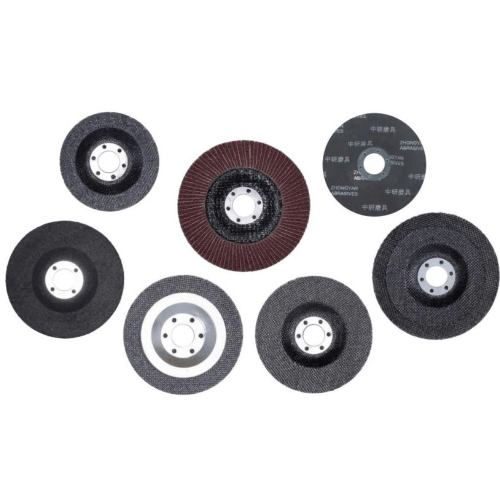
Achieving exceptional surface finishes in automotive detailing, woodworking, and industrial applications requires selecting the right polishing pads for your specific project. The choice between different pad materials, densities, and configurations directly impacts the quality of your results, from eliminating surface defects to creating mirror-like finishes. Professional craftsmen and automotive detailers understand that polishing pads serve as the critical interface between polishing compounds and target surfaces, making proper selection essential for optimal performance.
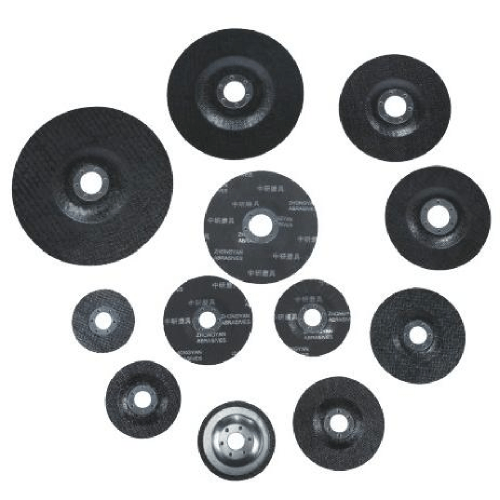
Understanding Polishing Pad Materials and Construction
Foam Pad Varieties and Applications
Foam polishing pads represent the most versatile category in surface finishing applications, offering different cell structures and densities for various correction levels. Open-cell foam pads feature interconnected pores that allow polishing compounds to flow freely, making them ideal for heavy cutting and correction work. These aggressive polishing pads excel at removing deep scratches, oxidation, and paint defects while maintaining consistent compound distribution across the working surface.
Closed-cell foam polishing pads provide smoother finishes with reduced aggressiveness, making them perfect for final polishing stages and delicate surfaces. The compact cell structure minimizes compound absorption while delivering uniform pressure distribution, resulting in swirl-free finishes on painted surfaces, clear coats, and sensitive materials. Medium-density foam pads bridge the gap between cutting and finishing applications, offering moderate correction capability with refined surface quality.
Microfiber and Synthetic Material Options
Microfiber polishing pads utilize thousands of ultra-fine synthetic fibers to create exceptional cutting power while maintaining surface smoothness. These specialized pads work particularly well with water-based compounds and provide consistent performance across extended polishing sessions. The fiber construction allows for deep cleaning action while the split-fiber ends conform to surface contours, ensuring comprehensive contact with irregular or textured surfaces.
Synthetic material polishing pads incorporate advanced polymer blends designed for specific applications, from glass polishing to metal finishing. These engineered materials offer superior durability compared to traditional foam while maintaining consistent performance characteristics throughout their service life. Professional users appreciate the predictable behavior and extended lifespan that synthetic polishing pads provide in demanding production environments.
Selecting Pad Density and Aggressiveness Levels
Heavy Cutting and Correction Applications
Heavy-duty polishing pads feature firm construction and aggressive surface textures designed for significant defect removal and surface preparation. These pads work effectively with coarse compounds to eliminate deep scratches, severe oxidation, and substantial surface imperfections that require aggressive correction. The firm backing and open structure allow maximum compound interaction while providing necessary cutting power for challenging restoration projects.
Professional body shops and restoration specialists rely on heavy cutting polishing pads when working with severely damaged surfaces or preparing substrates for refinishing. These specialized pads must maintain their aggressive characteristics while avoiding excessive heat generation that could damage sensitive materials. Proper selection ensures efficient material removal without compromising surface integrity or creating additional defects requiring correction.
Medium Correction and Refinement Stages
Medium-grade polishing pads serve the crucial role of transitioning between heavy correction and final finishing stages, removing marks left by aggressive pads while preparing surfaces for final polishing. These versatile pads accommodate a wide range of compounds and polishes, making them essential tools for multi-stage correction processes. Their balanced design provides sufficient cutting power to address moderate defects while delivering refined surface quality.
Automotive professionals utilize medium-grade polishing pads for addressing common paint defects like light scratches, water spots, and minor oxidation without over-correcting the surface. The moderate density allows controlled material removal while maintaining smooth surface texture, making these pads ideal for production environments where efficiency and quality must be balanced. Proper technique with medium-grade polishing pads ensures optimal results without unnecessary surface material removal.
Application-Specific Pad Selection Criteria
Automotive Paint and Clear Coat Systems
Automotive paint correction requires carefully matched polishing pads that complement modern clear coat systems and multi-stage paint processes. Single-stage paints demand different pad characteristics compared to base coat/clear coat systems, with considerations for paint hardness, age, and previous treatment history. Professional detailers select polishing pads based on paint system analysis, environmental conditions, and desired finish quality levels.
Clear coat correction with specialized polishing pads focuses on removing surface defects while preserving the protective coating thickness and optical clarity. The selection process considers factors like clear coat hardness, ambient temperature, and working time requirements to ensure optimal compound activation and defect removal. Modern ceramic and hybrid paint systems require specific polishing pads designed for their unique chemical and physical properties.
Wood Finishing and Furniture Applications
Wood finishing applications utilize polishing pads specifically designed for organic materials, with considerations for grain patterns, wood density, and finish compatibility. Natural wood surfaces require gentle polishing pads that follow grain direction while avoiding cross-grain scratching or excessive material removal. The pad selection process must account for wood species characteristics, moisture content, and intended finish system.
Furniture restoration projects demand polishing pads that can address existing finish removal, wood preparation, and final finish application stages. Professional woodworkers select polishing pads based on project scope, wood condition, and timeline requirements while ensuring consistent quality across large surfaces. The proper polishing pads enable efficient workflow progression from rough sanding through final polishing stages.
Machine Compatibility and Operational Considerations
Rotary Polisher Pad Requirements
Rotary polishing machines generate significant heat and require polishing pads engineered to withstand continuous high-speed operation while maintaining consistent performance. The pad construction must accommodate rotary motion characteristics, including heat dissipation, compound distribution, and surface contact pressure management. Professional-grade polishing pads for rotary systems feature reinforced backing materials and heat-resistant foam compositions.
Heat management becomes critical when selecting polishing pads for rotary applications, as excessive temperature buildup can damage both the pad and work surface. Proper pad selection includes consideration of material thermal properties, ventilation patterns, and cooling characteristics that maintain optimal operating temperatures. Advanced polishing pads incorporate cooling channels and heat-dissipating materials to extend working time and improve results.
Dual Action and Orbital System Compatibility
Dual action polishers require specialized polishing pads designed for oscillating motion patterns that combine rotation with orbital movement. These machines generate less heat than rotary systems but demand pads that can accommodate variable motion dynamics while maintaining consistent surface contact. The pad flexibility and backing system design directly impact performance in dual action applications.
Orbital motion systems work best with polishing pads that provide uniform pressure distribution across the entire pad surface while accommodating the machine's natural movement patterns. The pad selection process considers factors like pad thickness, flexibility, and attachment system compatibility to ensure optimal machine performance. Professional users select polishing pads that complement their specific dual action polisher characteristics for maximum efficiency and results.
Maintenance and Performance Optimization
Cleaning and Reconditioning Techniques
Proper maintenance extends polishing pad life while ensuring consistent performance throughout multiple use cycles, making cleaning and reconditioning essential skills for professional users. Regular cleaning removes accumulated compounds, debris, and contaminants that can compromise pad effectiveness and surface finish quality. Professional maintenance procedures include both during-use cleaning and thorough post-session reconditioning processes.
Reconditioning techniques for different polishing pads vary based on material composition, with foam pads requiring different approaches than microfiber or synthetic options. Proper cleaning maintains pad porosity, fiber alignment, and surface texture characteristics that determine cutting and finishing performance. Professional workshops implement systematic cleaning protocols that maximize pad utilization while maintaining quality standards across all applications.
Storage and Lifespan Management
Professional storage practices preserve polishing pad integrity during periods of non-use while preventing contamination and material degradation. Proper storage conditions include temperature control, moisture management, and contamination prevention that maintain pad performance characteristics. Systematic storage organization enables efficient pad selection while protecting investment in quality polishing equipment.
Lifespan management involves monitoring pad condition indicators like compression loss, surface wear, and contamination buildup that signal replacement needs. Professional users track pad usage hours, application types, and performance changes to optimize replacement schedules and maintain consistent results. Quality polishing pads provide measurable service life when properly maintained and stored according to manufacturer recommendations.
Cost Analysis and Value Considerations
Initial Investment vs Long-term Performance
Professional polishing pads represent a significant initial investment that must be evaluated against long-term performance, durability, and result consistency factors. High-quality pads typically provide superior cutting efficiency, longer service life, and more predictable performance characteristics compared to economy alternatives. The total cost of ownership includes pad purchase price, replacement frequency, and productivity impact on overall project economics.
Performance consistency directly impacts project timelines and quality outcomes, making premium polishing pads cost-effective for professional applications despite higher initial costs. Professional users calculate value based on results per dollar invested, considering factors like defect removal efficiency, finish quality, and pad longevity across multiple projects. Quality polishing pads enable faster project completion with superior results, justifying premium pricing through improved productivity.
Professional vs Consumer Grade Options
Professional-grade polishing pads incorporate advanced materials, construction techniques, and quality control standards that deliver consistent performance in demanding applications. These specialized pads feature reinforced backing systems, engineered foam compositions, and precise manufacturing tolerances that ensure predictable results across varying conditions. Professional workshops require polishing pads that maintain performance standards under continuous use and challenging applications.
Consumer-grade polishing pads serve occasional users and light-duty applications where cost considerations outweigh performance requirements, but may lack the durability and consistency needed for professional work. The selection decision involves evaluating application frequency, quality requirements, and budget constraints to determine appropriate pad specifications. Professional users typically find that premium polishing pads provide better value through improved efficiency and results quality.
FAQ
What determines the cutting aggressiveness of polishing pads
The cutting aggressiveness of polishing pads depends on several material and construction factors including foam density, cell structure, surface texture, and backing firmness. Firmer, denser pads with open cell structures provide more aggressive cutting action, while softer, closed-cell pads offer gentler polishing characteristics. The pad's ability to hold and distribute polishing compounds also influences cutting performance, with more aggressive pads requiring coarser compounds for optimal effectiveness.
How do I match polishing pads to specific compounds and polishes
Matching polishing pads to compounds requires considering the abrasive level of the compound and the desired correction level, with aggressive compounds working best with firmer, more open-structured pads. Water-based compounds typically pair well with microfiber or synthetic polishing pads, while oil-based products work effectively with traditional foam options. The manufacturer's recommendations provide starting points, but testing different combinations on inconspicuous areas ensures optimal results for specific applications and surface conditions.
Can polishing pads be used across different machine types
While many polishing pads work across different machine types, optimal results require matching pad characteristics to specific machine operating principles, with rotary machines requiring heat-resistant pads and dual action systems needing flexible options. The attachment system compatibility must be verified, as different machines use varying backing plate sizes and attachment methods. Some specialized polishing pads are designed specifically for certain machine types and may not perform optimally when used with incompatible equipment.
What safety considerations apply when using polishing pads
Safety considerations for polishing pads include proper machine operation techniques, heat management, and personal protective equipment use to prevent injury and surface damage. High-speed polishing generates heat that can cause pad degradation or surface damage, requiring careful speed control and adequate cooling periods. Users should wear appropriate eye protection, respiratory protection when working with dusty compounds, and ensure proper ventilation in work areas to maintain safe operating conditions throughout polishing operations.