 EN
EN


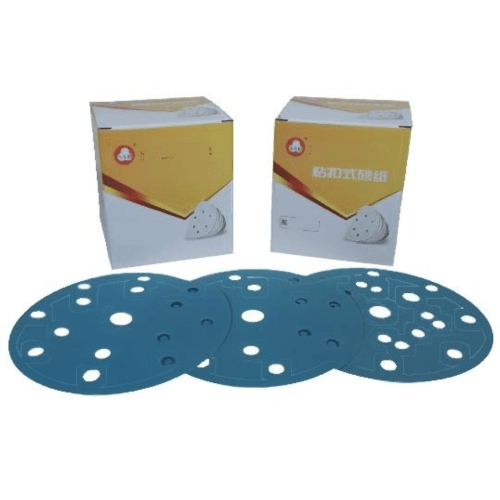
Professional contractors and industrial workers rely heavily on high-quality cutting discs to achieve precise, efficient cuts across various materials. The right cutting disc can make the difference between a smooth, professional finish and costly material waste or project delays. Understanding the specifications, applications, and performance characteristics of different cutting disc types is essential for selecting the optimal tool for your specific cutting requirements.
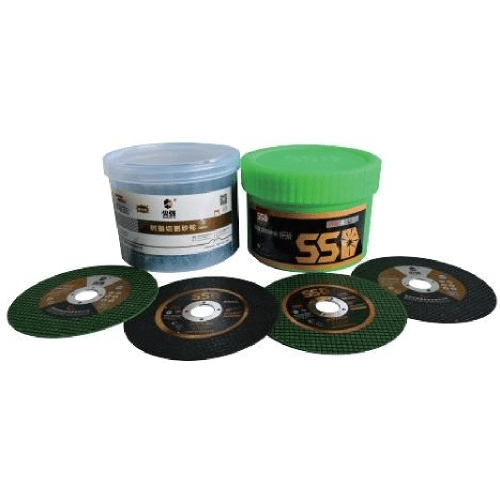
Modern cutting disc technology has evolved significantly, incorporating advanced abrasive materials and reinforcement structures that deliver superior performance and extended service life. Professional-grade cutting discs feature specialized bonding agents and grain compositions designed to handle demanding industrial applications while maintaining consistent cutting speed and precision throughout their operational lifespan.
Types and Material Specifications of Cutting Discs
Abrasive Material Composition
The abrasive material used in a cutting disc determines its cutting capability and application suitability. Aluminum oxide abrasives provide excellent performance for cutting ferrous metals, offering a balance of cutting speed and disc longevity that makes them ideal for general-purpose metalworking applications. Silicon carbide abrasives excel when cutting non-ferrous materials, concrete, and masonry, delivering aggressive cutting action and superior material removal rates.
Ceramic alumina abrasives represent the premium category of cutting disc materials, featuring self-sharpening properties that maintain consistent cutting performance throughout the disc's life. These advanced abrasives generate less heat during cutting operations, reducing the risk of material warping or discoloration while extending cutting disc service life significantly compared to conventional abrasive materials.
Reinforcement and Bonding Systems
High-performance cutting disc construction incorporates multiple reinforcement layers that provide structural integrity during high-speed operations. Fiberglass mesh reinforcement creates a strong, flexible foundation that resists cracking and shattering under stress, ensuring operator safety and consistent cutting performance even in demanding industrial environments.
Resin bonding systems hold the abrasive grains in position while allowing controlled grain release during cutting operations. Advanced phenolic resin formulations provide excellent heat resistance and chemical stability, maintaining cutting disc performance characteristics across a wide range of operating temperatures and environmental conditions.
Application-Specific Cutting Disc Selection
Metal Cutting Applications
Steel fabrication and metalworking operations require cutting discs specifically designed for ferrous material applications. Type 41 flat cutting discs provide optimal performance for straight cuts through structural steel, pipe, and plate materials, delivering clean, burr-free cuts that minimize post-cutting finishing requirements. The cutting disc thickness selection directly impacts cutting speed and precision, with thinner discs offering faster cutting speeds and reduced material waste.
Stainless steel cutting applications demand specialized cutting disc formulations that prevent contamination and maintain corrosion resistance properties. These cutting discs feature iron-free abrasive compositions and bonding systems that eliminate the risk of ferrous contamination, preserving the integrity and appearance of stainless steel components throughout the cutting process.
Concrete and Masonry Applications
Concrete cutting operations require diamond cutting discs or silicon carbide abrasive formulations capable of handling the aggressive nature of cementitious materials. Segmented rim diamond cutting discs provide excellent cooling and debris removal characteristics, preventing blade loading and maintaining consistent cutting performance through reinforced concrete structures.
Masonry cutting applications benefit from cutting discs designed specifically for brick, block, and stone materials. These cutting discs feature aggressive abrasive formulations and open grain structures that resist loading while providing rapid material removal rates and extended service life in abrasive cutting environments.
Performance Optimization and Operating Parameters
Speed and Feed Rate Considerations
Optimal cutting disc performance requires careful attention to operating speed parameters and feed rates that match the disc specifications and material characteristics. Exceeding the maximum rated speed can result in catastrophic disc failure, while operating below optimal speeds reduces cutting efficiency and accelerates cutting disc wear through excessive heat generation and abrasive loading.
Feed rate optimization balances cutting speed with cutting disc longevity, allowing the abrasive grains to work effectively while preventing excessive loading or premature dulling. Proper feed rates vary significantly based on material hardness, cutting disc type, and desired cut quality, requiring adjustment based on specific application requirements and performance expectations.
Cooling and Lubrication Systems
Effective cooling during cutting operations extends cutting disc life while improving cut quality and operator safety. Wet cutting systems provide continuous cooling and debris removal, preventing overheating and reducing dust generation during cutting operations. The cutting disc benefits significantly from proper cooling, maintaining structural integrity and cutting performance throughout extended operations.
Dry cutting applications require careful monitoring of cutting disc temperature and operating conditions to prevent overheating and premature wear. Intermittent cutting techniques and proper ventilation help manage heat buildup while maintaining cutting disc performance characteristics and ensuring operator safety during extended cutting operations.
Quality Assessment and Selection Criteria
Performance Testing Standards
Professional cutting disc evaluation involves comprehensive testing protocols that assess cutting performance, safety characteristics, and durability under various operating conditions. Standard testing procedures measure cutting speed, disc wear rates, and structural integrity to ensure consistent performance and safety compliance across different application scenarios.
Quality cutting disc manufacturers provide detailed performance data including maximum operating speeds, recommended applications, and expected service life under specific operating conditions. This information enables informed cutting disc selection based on actual performance requirements rather than basic specifications or cost considerations alone.
Safety and Compliance Standards
Cutting disc safety standards ensure operator protection and equipment reliability through rigorous testing and certification processes. OSHA compliance requirements mandate specific safety features and operating procedures that protect workers from cutting disc failure and related hazards during industrial cutting operations.
Professional cutting disc selection must consider both performance requirements and safety certification standards to ensure compliance with workplace safety regulations. Properly certified cutting discs undergo extensive testing for structural integrity, maximum operating speeds, and failure modes to guarantee safe operation within specified parameters.
Maintenance and Storage Best Practices
Proper Storage Techniques
Cutting disc storage significantly impacts performance and safety characteristics, requiring controlled environmental conditions and proper handling procedures. Humidity control prevents moisture absorption that can weaken bonding systems and compromise cutting disc integrity, while temperature stability maintains consistent material properties throughout the storage period.
Vertical storage positions prevent warping and stress concentration that can develop when cutting discs are stored horizontally under load. Individual packaging or separation prevents damage from contact between cutting disc surfaces while maintaining identification and traceability throughout the storage and distribution process.
Inspection and Replacement Protocols
Regular cutting disc inspection identifies wear patterns, damage, or degradation that could compromise performance or safety during operations. Visual inspection protocols check for cracks, chips, or excessive wear that indicate the need for cutting disc replacement before potential failure occurs during use.
Cutting disc replacement schedules based on operating hours, material volume, or performance degradation ensure consistent cutting quality while preventing unexpected failures that could impact productivity or safety. Documentation of cutting disc performance and replacement history helps optimize future selection and purchasing decisions based on actual field performance data.
FAQ
What factors determine the appropriate cutting disc thickness for specific applications
Cutting disc thickness selection depends on material thickness, required cutting precision, and desired cutting speed. Thinner cutting discs provide faster cutting speeds and reduced material waste but may lack the structural strength needed for heavy-duty applications. Thicker cutting discs offer greater durability and stability for demanding cutting operations but result in wider kerfs and increased material removal. The optimal cutting disc thickness balances cutting efficiency with structural requirements based on specific application demands and material characteristics.
How do environmental conditions affect cutting disc performance and selection
Environmental factors significantly impact cutting disc performance through temperature effects, humidity exposure, and atmospheric conditions. High-temperature environments require cutting discs with enhanced heat resistance and thermal stability to maintain bonding integrity and abrasive performance. Humid conditions can affect resin bonding systems and abrasive grain adhesion, requiring moisture-resistant formulations for consistent performance. Dust and debris in the working environment may necessitate cutting discs with enhanced debris clearance characteristics to prevent loading and maintain cutting efficiency.
What safety precautions are essential when operating cutting discs at high speeds
High-speed cutting disc operations require comprehensive safety protocols including proper personal protective equipment, speed verification, and equipment inspection procedures. Never exceed the maximum rated speed marked on the cutting disc, as overspeed conditions can cause catastrophic failure with serious injury potential. Always verify that the cutting disc is properly mounted and secured before operation, ensuring that guards and safety devices are in place and functioning correctly. Regular inspection of both the cutting disc and power tool helps identify potential safety hazards before they result in equipment failure or operator injury.
How can operators maximize cutting disc service life while maintaining optimal performance
Maximizing cutting disc service life requires proper operating techniques, appropriate speed and feed rate selection, and effective cooling management. Avoid excessive pressure that can cause premature wear or overheating, allowing the abrasive grains to cut efficiently without forcing the cutting disc through the material. Maintain consistent feed rates that match the cutting disc capabilities and material characteristics, preventing both aggressive loading and insufficient cutting action that accelerates wear. Implement proper cooling techniques appropriate for the application, whether through wet cutting systems or intermittent cutting cycles that allow heat dissipation between cuts.
Table of Contents
- Types and Material Specifications of Cutting Discs
- Application-Specific Cutting Disc Selection
- Performance Optimization and Operating Parameters
- Quality Assessment and Selection Criteria
- Maintenance and Storage Best Practices
-
FAQ
- What factors determine the appropriate cutting disc thickness for specific applications
- How do environmental conditions affect cutting disc performance and selection
- What safety precautions are essential when operating cutting discs at high speeds
- How can operators maximize cutting disc service life while maintaining optimal performance