 EN
EN


A well-maintained polishing head is the foundation of consistent surface finishing results. Whether you operate in automotive detailing, composite fabrication, or industrial surface preparation, the condition of your polishing head directly determines finish quality, operational efficiency, and equipment longevity. Neglecting routine inspection and timely component replacement leads to uneven material removal, heat buildup, premature tool failure, and costly production downtime that could easily have been avoided.
Understanding when to replace pads, bearings, and drive belts on your polishing head is not simply a matter of following a fixed calendar schedule. It requires a working knowledge of how each component functions, how failure manifests in practice, and what inspection signals should trigger immediate action. This guide provides structured, practical guidance for maintenance personnel and equipment operators who want to keep their polishing head performing at peak capacity across its full service life.
Understanding the Role of Each Component in a Polishing Head
Backing Pads and Polishing Pads
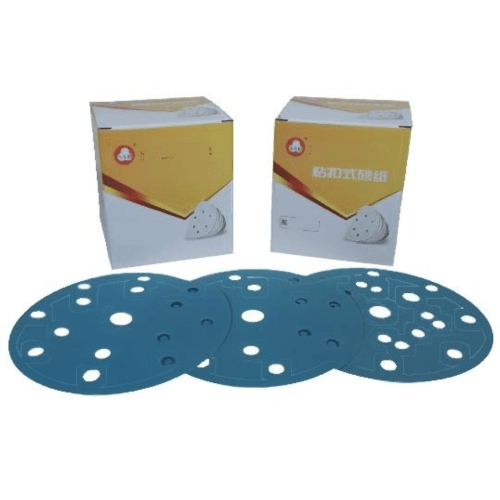
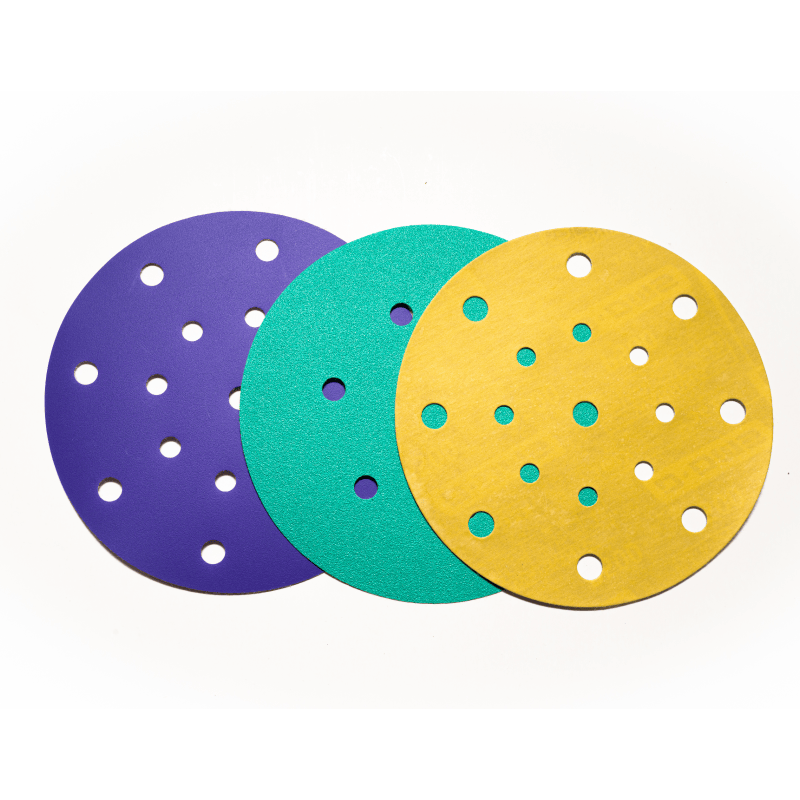
The pad assembly is the most direct interface between the polishing head and the workpiece surface. Backing pads provide structural rigidity and uniform pressure distribution across the abrasive or polishing medium. Without a properly functioning backing pad, even high-quality polishing compounds cannot deliver a consistent finish. The pad absorbs orbital or rotary energy from the drive mechanism and translates it into controlled surface contact.
Polishing pads attach to the backing pad and are responsible for the actual surface interaction — whether cutting, refining, or finishing. They compress under load and must maintain their cellular structure or fiber integrity to deliver predictable results. When a polishing pad breaks down at the cellular level, it can no longer hold compound efficiently, and the polishing head begins to generate localized heat and uneven finish patterns.
Both the backing pad and the polishing pad are consumable components, but they wear at different rates. The backing pad typically lasts significantly longer than the foam or microfiber pad, but it is still subject to mechanical fatigue, delamination, and hook-and-loop surface degradation. Inspecting both layers during every pad change is a sound maintenance practice that prevents compounding errors from developing unnoticed.
Bearings in the Polishing Head Assembly
Bearings in a polishing head serve as the rotational and oscillation support structure. In random orbital and gear-driven polishing heads, bearings allow the eccentric motion that makes controlled swirl-free finishing possible. The quality and condition of these bearings determine how smoothly the polishing head moves across the surface and how effectively vibration is managed during operation.
When bearings begin to wear, the first symptom is usually an increase in operational noise — a grinding or rattling sound that occurs under load. As wear progresses, the polishing head may develop noticeable wobble or irregular motion, which translates directly into finish defects. In gear-driven units, worn bearings can cause the eccentric gear to bind or skip, generating vibration that transfers into the operator's hands and risks damage to the workpiece surface.
Bearings are precision components, and their failure is progressive. A polishing head with marginally worn bearings may still appear to function, but the degraded motion pattern is quietly compromising your finish quality. Regular bearing inspection, performed every 80 to 100 operating hours depending on duty cycle, ensures that bearing failure is caught before it cascades into more expensive spindle or gear housing damage.
Recognizing the Signs That Pads Need Replacement
Physical Indicators of Pad Wear
The most immediate indicator that a pad needs replacement on your polishing head is visible physical deterioration. For foam pads, look for torn cell structure, compressed flat zones that no longer spring back, glazed surfaces that have hardened from heat and compound buildup, and edge separation from the backing layer. Any of these conditions reduces the pad's ability to distribute pressure evenly and hold polishing compound in the cutting zone.
Microfiber pads show wear differently — the fibers mat down and lose their lift, reducing their ability to carry compound and refine the surface. When a microfiber pad begins to feel slick or shiny rather than slightly grabby, it has reached the end of its useful service life. Operating a polishing head with a worn microfiber pad typically results in swirl marks, holograms, and insufficient cutting action that forces operators to increase machine speed or pressure, creating further surface risk.
The backing pad itself must also be inspected for hook-and-loop degradation. When the fastening surface no longer holds the polishing pad securely at working speed, there is a significant safety risk as well as a quality risk. A spinning polishing pad that detaches mid-operation can cause personal injury and surface damage. Replacing a worn polishing head backing pad on schedule eliminates this category of risk entirely.
Performance-Based Replacement Triggers
Beyond visual inspection, performance indicators provide equally reliable replacement signals. If your polishing head begins to require noticeably more passes to achieve the same finish level as before, and compound quality and technique have not changed, the pad is almost certainly the variable responsible for the drop in performance. Polishing efficiency degradation is often gradual and can be mistaken for compound issues or surface condition changes if pad wear is not tracked systematically.
Thermal performance is another useful diagnostic. A pad that retains excessive heat through the polishing process, leaving heat marks or smearing on delicate surfaces, has lost its thermal buffering capacity. This condition is common in heavily used foam pads that have undergone repeated thermal cycling. The polishing head generates less friction-induced heat when the pad is functioning correctly because the compound and pad structure work together to dissipate energy efficiently.
When to Replace Bearings in Your Polishing Head
Diagnostic Checks for Bearing Condition
Bearing replacement in a polishing head is not a routine consumable task like pad replacement, but it should be treated as a planned maintenance interval rather than a breakdown response. A structured approach begins with a no-load sound test — run the polishing head at medium speed without a pad and listen carefully for grinding, clicking, or uneven tone. Healthy bearings produce a smooth, consistent hum. Any metallic or irregular sound is a diagnostic flag that warrants further investigation.
A manual wobble test complements the sound test. With the machine powered off and pad removed, hold the spindle housing and attempt to move the spindle laterally. Any detectable play beyond the manufacturer's specified tolerance indicates bearing wear. In a well-maintained polishing head, the spindle should feel firmly seated with minimal axial or radial movement. Progressive wobble will worsen during operation and accelerate wear on adjacent components.
Thermal diagnosis can also reveal bearing problems. After a normal operating session, carefully touch the bearing housing area of the polishing head — it should feel warm but not uncomfortably hot. Excessive heat from the bearing zone, disproportionate to the work being done, indicates increased internal friction from worn bearing surfaces or inadequate lubrication. This pattern often precedes complete bearing failure and should be treated as an urgent replacement signal.
Operating Hours and Environment as Replacement Factors
Bearing service life in a polishing head is strongly influenced by operating conditions. Equipment used continuously in professional detailing or industrial environments accumulates load hours rapidly, and bearing replacement intervals as short as every 150 to 200 hours may be appropriate under high-duty conditions. In lighter intermittent use, the same bearings might serve reliably for a full year or more before showing wear signs.
Environmental contamination accelerates bearing wear significantly. Polishing heads used in environments where airborne abrasive particles, moisture, or chemical mist can enter the machine require more frequent bearing inspection. Contaminants that penetrate bearing seals act as grinding media inside the bearing race, dramatically shortening service life. Keeping the polishing head clean, using appropriate seal-quality grades of bearings, and storing equipment in clean, dry conditions all contribute to extended bearing service intervals.
Drive Belt Inspection and Replacement Timing
How Drive Belt Condition Affects Polishing Head Performance
In belt-driven polishing head designs, the drive belt is a critical power transmission component. It transfers rotational energy from the motor to the spindle assembly, and its condition has a direct effect on the consistency and smoothness of the polishing head's motion. A belt that has stretched, cracked, or developed uneven wear creates fluctuating drive tension that results in inconsistent pad speed, irregular surface contact, and vibration that degrades both finish quality and operator comfort.
Belt slip under load is one of the most telling signs of a worn drive component. When the polishing head is pressed against a surface and motor speed drops noticeably more than it should, or the machine surges and recovers irregularly, the drive belt is likely operating at or beyond its elasticity limit. This behavior reduces effective polishing energy at the pad interface, extending operation time and increasing compound consumption without improving results.
Visual inspection of the drive belt requires access to the machine's internal drive compartment, which should only be done with the machine completely powered off and unplugged. Look for surface cracking along the belt's outer face or inner rib surface, visible fraying at the edges, glazed or hardened rubber texture, and any asymmetric wear pattern that suggests misalignment of the belt path. All of these conditions justify immediate belt replacement before returning the polishing head to service.
Replacement Intervals and Alignment Verification
Drive belt replacement intervals for a polishing head vary by design, load rating, and operating intensity. As a general guideline, belts in continuously operated professional equipment should be inspected every 200 hours and replaced proactively every 400 to 500 hours unless inspection indicates earlier failure signs. Waiting for complete belt failure means risking sudden loss of drive at a critical production moment and potential secondary damage to pulleys or spindle components from belt debris.
When replacing the drive belt in a polishing head, alignment verification is a mandatory step that should not be skipped. Misaligned pulleys cause new belts to wear prematurely along one edge and introduce vibration patterns that undermine the smooth motion of the polishing head. Use the manufacturer's alignment specification or a straightedge verification method to confirm that all drive pulleys are co-planar before installing and tensioning the new belt. Proper tension — neither too tight nor too loose — is equally critical to achieving full belt service life.
Building a Practical Maintenance Schedule for Your Polishing Head
Structuring Inspection Intervals by Component Type
A well-organized maintenance schedule for a polishing head distinguishes between consumable components, wear components, and structural components, and assigns different inspection frequencies to each. Polishing pads and backing pads are consumables that should be inspected at every use and replaced on condition. Bearings and drive belts are wear components with predictable service lives that can be managed through hour-based intervals combined with condition monitoring. Housings, spindles, and motor components are structural and require attention only when diagnostics indicate a specific problem.
Keeping a simple usage log for each polishing head in your fleet adds significant value to maintenance management. Recording hours of operation, pad replacements, and any observed anomalies allows maintenance personnel to establish reliable baseline data for their specific operating environment. Over time, this data reveals the actual wear rates for each machine and allows maintenance intervals to be fine-tuned to real-world conditions rather than generic manufacturer estimates, which are often based on idealized light-duty use scenarios.
Maintenance Documentation and Component Traceability
Documentation is as important as the physical inspection itself. When each polishing head has a clear maintenance record, it becomes easy to identify machines that are consuming components at above-average rates — which may indicate a process problem, a machine alignment issue, or an operator technique issue rather than simply component quality variation. Traceability also supports warranty claims and ensures that safety-critical components are replaced in accordance with any applicable regulatory or quality management requirements.
Maintaining a stock of commonly replaced components — backing pads, polishing pads, bearings of the correct specification, and drive belts — ensures that when inspection triggers a replacement need, the maintenance team can act immediately rather than waiting for parts procurement. Minimizing the gap between identification of a worn component and restoration of the polishing head to full service condition is the most direct way to protect production throughput and finish quality consistency.
FAQ
How often should I replace the pads on a polishing head used in daily professional detailing?
In high-intensity daily use, polishing pads typically need replacement every one to three days of continuous operation, depending on the material being polished and the aggressiveness of the compound. Backing pads generally last significantly longer but should be inspected at each pad change for hook-and-loop integrity and structural delamination. The polishing head's output quality is the most reliable guide — if results begin to degrade without any change in compound or technique, pad replacement is the first corrective step.
What is the most common sign that bearings in a polishing head need immediate replacement?
The most common and urgent sign is a grinding or rattling noise that persists during operation under load, combined with visible wobble in the spindle during the manual displacement test. Excessive heat in the bearing housing area after normal operation is a secondary warning sign. When these symptoms appear together, the bearings in the polishing head should be replaced immediately to prevent cascading damage to the spindle and gear assembly.
Can a worn drive belt in a polishing head affect the quality of the surface finish?
Yes, significantly. A worn or stretched drive belt introduces irregular speed fluctuations at the pad interface, which produce inconsistent surface contact and uneven abrasive action. This manifests as streaking, hologramming, or irregular cutting patterns on the finished surface. Operators often mistakenly attribute these defects to compound selection or surface condition without realizing that the polishing head's drive system is the actual source of the inconsistency. Replacing the drive belt restores smooth, consistent pad motion and eliminates these process variables.
Is it necessary to replace all three components — pads, bearings, and drive belts — at the same time during polishing head maintenance?
Not necessarily. Each component has its own wear rate and replacement trigger. Pads are replaced on condition far more frequently than bearings or drive belts. However, if a polishing head is being opened for a major service — such as bearing replacement — it is practical and cost-effective to inspect the drive belt simultaneously and replace it proactively if it is approaching its service interval. Grouping maintenance tasks reduces machine downtime and ensures that the polishing head re-enters service in fully restored condition across all critical systems.
Table of Contents
- Understanding the Role of Each Component in a Polishing Head
- Recognizing the Signs That Pads Need Replacement
- When to Replace Bearings in Your Polishing Head
- Drive Belt Inspection and Replacement Timing
- Building a Practical Maintenance Schedule for Your Polishing Head
-
FAQ
- How often should I replace the pads on a polishing head used in daily professional detailing?
- What is the most common sign that bearings in a polishing head need immediate replacement?
- Can a worn drive belt in a polishing head affect the quality of the surface finish?
- Is it necessary to replace all three components — pads, bearings, and drive belts — at the same time during polishing head maintenance?