 EN
EN


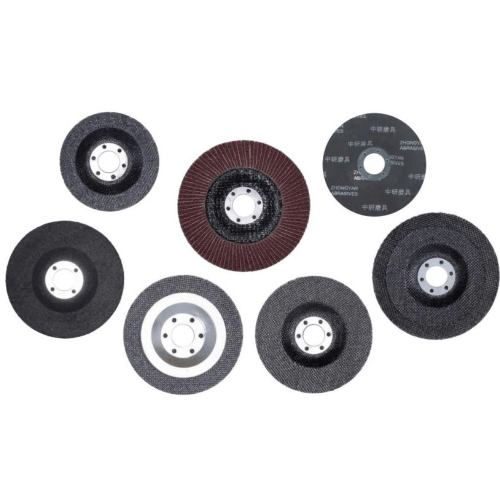
Understanding the distinction between a polishing head and a buffing pad is crucial for achieving professional-grade surface finishing results. While many professionals use these terms interchangeably, each component serves specific functions in the polishing process and offers unique advantages depending on the application. The polishing head represents the mechanical assembly that drives the rotation and motion, while the buffing pad serves as the direct interface between the tool and the workpiece surface.
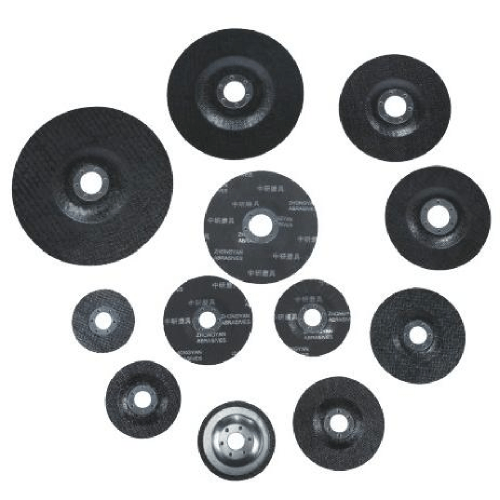
The polishing head functions as the primary mechanical driver in professional surface finishing operations. This component houses the motor assembly, speed control mechanisms, and attachment systems that enable precise control over polishing parameters. Modern polishing head designs incorporate advanced features such as variable speed control, torque management, and ergonomic considerations that enhance operator comfort during extended use periods.
Buffing pads, conversely, represent the consumable interface components that directly contact the workpiece surface. These pads come in various materials, densities, and surface textures designed to achieve specific finishing objectives. The selection of appropriate buffing pad characteristics directly influences the final surface quality, removal rates, and overall polishing efficiency achieved during operation.
Mechanical Design and Construction Differences
Polishing Head Engineering Specifications
The engineering behind a polishing head involves sophisticated mechanical systems designed for durability and precision. These units typically feature high-torque motors capable of maintaining consistent rotational speeds under varying load conditions. The polishing head assembly includes precision bearings, sealed housing units, and robust drive mechanisms that ensure reliable operation across diverse industrial applications.
Advanced polishing head designs incorporate electronic feedback systems that monitor performance parameters such as rotational speed, applied pressure, and operating temperature. These monitoring capabilities enable operators to maintain optimal polishing conditions while preventing damage to both the equipment and workpiece surfaces. The mechanical construction emphasizes longevity and serviceability, with replaceable components and accessible maintenance points.
Modern polishing head units feature modular designs that accommodate various attachment systems and pad configurations. This versatility allows operators to quickly adapt their equipment for different applications without requiring complete tool changes. The mechanical interface systems ensure secure pad attachment while enabling rapid changeover between different buffing pad types and sizes.
Buffing Pad Material Science and Construction
Buffing pad construction involves specialized material science principles that optimize performance characteristics for specific applications. Common materials include foam polymers, felt compositions, microfiber assemblies, and synthetic fiber blends. Each material type offers distinct properties regarding cutting ability, conformability, heat dissipation, and chemical compatibility with various polishing compounds.
The density gradient within buffing pads plays a critical role in determining performance characteristics. High-density pads provide aggressive cutting action suitable for initial surface preparation, while low-density options offer gentle finishing capabilities for final polishing stages. Multi-layer pad constructions combine different density zones to optimize both cutting efficiency and surface quality achievement.
Surface texturing on buffing pads influences compound distribution and heat management during polishing operations. Manufacturers employ various surface treatments including waffle patterns, spiral grooves, and perforated designs to enhance pad performance. These surface modifications improve compound retention, reduce heat buildup, and promote consistent surface contact across irregular workpiece geometries.
Operational Performance and Application Requirements
Speed Control and Power Management
The polishing head provides comprehensive speed control capabilities that enable operators to match rotational speeds with specific application requirements. Variable speed controls allow fine-tuning of surface cutting rates, heat generation, and compound consumption patterns. Electronic speed regulation maintains consistent performance even under varying load conditions, ensuring uniform surface finishing results.
Power management systems within the polishing head optimize energy consumption while maximizing productivity. Advanced units feature power monitoring capabilities that adjust motor output based on actual load requirements. This intelligent power management reduces energy consumption, extends motor life, and minimizes heat generation during extended polishing sessions.
Torque characteristics of the polishing head determine its ability to maintain consistent pad rotation under varying surface conditions. High-torque designs excel in heavy-duty applications where significant material removal is required, while lower-torque units provide precise control for delicate finishing operations. The torque curve matching between the polishing head and buffing pad requirements ensures optimal performance across diverse applications.
Surface Interaction and Finishing Capabilities
Buffing pad selection significantly influences the surface interaction dynamics and achievable finishing quality. Aggressive pads with coarse textures excel at removing scratches, oxidation, and surface imperfections during initial polishing stages. These pads typically feature open-cell structures that promote compound flow and debris removal from the work surface.
Fine finishing pads provide the gentle action required for achieving mirror-like surface finishes without introducing new scratches or swirl marks. These pads utilize closed-cell constructions and ultra-fine surface textures that minimize marking while maximizing gloss development. The pad conformability allows effective polishing of curved surfaces and intricate geometries.
Specialized buffing pad designs address specific industry requirements such as automotive paint correction, marine gelcoat restoration, and metal finishing applications. Each application demands unique pad characteristics regarding hardness, porosity, and chemical compatibility. Understanding these requirements enables proper pad selection for optimal polishing head performance.
Selection Criteria and Compatibility Considerations
Application-Specific Requirements Analysis
Selecting appropriate polishing head specifications requires thorough analysis of application requirements including material types, surface conditions, and desired finishing standards. Heavy-duty applications demand robust polishing head designs with high-power motors and reinforced construction. Delicate finishing work requires precision-controlled units with fine speed adjustment capabilities and low-vibration operation.
Environmental conditions significantly influence polishing head selection criteria. Dusty environments require sealed housing designs with effective filtration systems, while wet polishing applications demand moisture-resistant construction and appropriate electrical safety ratings. Temperature considerations affect motor cooling requirements and material selection for critical components.
Productivity requirements determine the necessary polishing head power ratings and operational speeds. High-volume production environments benefit from powerful units capable of maintaining consistent performance under continuous operation. Specialized applications may require customized polishing head configurations to accommodate unique workpiece geometries or access restrictions.
Buffing Pad Compatibility and Performance Optimization
Achieving optimal polishing results requires careful matching between polishing head characteristics and buffing pad specifications. The attachment system compatibility ensures secure pad mounting and reliable power transfer during operation. Standard thread patterns and quick-connect systems facilitate rapid pad changes while maintaining consistent performance standards.
Rotational speed compatibility between the polishing head and buffing pad prevents premature pad wear and ensures safe operation. Each pad type has recommended speed ranges that optimize performance while preventing damage from excessive centrifugal forces or heat generation. Operating within these parameters maximizes pad life and maintains consistent finishing quality.
Size compatibility considerations include both diameter matching and backing plate requirements. Proper sizing ensures even pressure distribution across the pad surface and prevents edge loading that can cause premature wear or surface damage. The polishing head backing system must provide adequate support for the selected pad diameter and thickness.
Maintenance and Service Requirements
Polishing Head Maintenance Protocols
Regular maintenance of the polishing head ensures reliable operation and extends equipment service life. Scheduled maintenance includes bearing lubrication, motor brush inspection, and electrical connection verification. Preventive maintenance programs minimize unexpected downtime while maintaining peak performance standards throughout the equipment lifecycle.
Cleaning procedures for the polishing head focus on removing accumulated polishing compound residue and debris from critical components. Proper cleaning prevents contamination buildup that can affect performance and cause premature component wear. Specialized cleaning agents and procedures ensure thorough decontamination without damaging sensitive electronic components.
Component replacement schedules vary based on usage intensity and operating conditions. High-wear items such as motor brushes, bearings, and seals require periodic replacement to maintain optimal performance. Access to replacement parts and service documentation supports effective maintenance programs and minimizes equipment downtime.
Buffing Pad Service Life and Replacement
Buffing pad service life depends on application severity, pad material quality, and proper usage techniques. Monitoring pad condition involves visual inspection for wear patterns, surface damage, and compound saturation levels. Timely pad replacement prevents surface damage and maintains consistent polishing results throughout production runs.
Pad cleaning and reconditioning procedures can extend service life for certain pad types. Foam pads benefit from regular washing to remove compound buildup and restore original texture. Felt pads may require brushing or combing to maintain surface integrity and cutting effectiveness. Proper cleaning techniques prevent premature pad degradation while maintaining performance standards.
Storage requirements for buffing pads include protection from contamination, moisture, and temperature extremes. Proper storage prevents pad degradation and ensures consistent performance when pads are placed into service. Inventory rotation practices maintain fresh pad supplies and prevent degradation of stored inventory.
Cost Analysis and Economic Considerations
Initial Investment and Equipment Costs
The polishing head represents a significant capital investment that provides long-term value through reliable performance and versatility. Initial costs vary based on power ratings, feature sets, and construction quality levels. Professional-grade units command higher prices but offer superior durability and performance capabilities that justify the investment in demanding applications.
Buffing pad costs represent ongoing operational expenses that accumulate throughout equipment service life. Pad consumption rates vary significantly based on application requirements and usage patterns. High-volume operations require careful pad cost analysis to optimize overall polishing economics while maintaining quality standards.
Total cost of ownership calculations must include both initial equipment costs and ongoing consumable expenses. The polishing head durability and service life significantly influence long-term economic performance. Quality units with extended service lives provide better economic value despite higher initial investment requirements.
Productivity and Efficiency Optimization
Productivity optimization requires balancing polishing head capabilities with appropriate buffing pad selection for specific applications. High-performance combinations enable faster processing speeds and improved surface quality simultaneously. Efficiency gains from optimal equipment selection often justify premium component costs through reduced labor requirements and improved throughput.
Energy consumption considerations affect operational costs throughout equipment service life. Efficient polishing head designs minimize power consumption while maintaining performance standards. Energy-efficient operation reduces utility costs and supports environmental sustainability objectives in manufacturing operations.
Quality improvements from proper polishing head and buffing pad combinations reduce rework requirements and improve customer satisfaction. Consistent finishing results minimize warranty claims and enhance product reputation. The economic benefits of quality improvement often exceed the additional costs of premium equipment and consumables.
FAQ
What is the primary difference between a polishing head and a buffing pad
The polishing head is the mechanical drive unit that provides power and speed control, while the buffing pad is the consumable interface component that directly contacts the workpiece surface. The polishing head houses the motor and control systems, whereas the buffing pad determines the surface interaction characteristics and finishing quality achieved during polishing operations.
How do I select the right polishing head for my application
Selection requires analysis of material types, surface conditions, required finishing quality, and production volume requirements. Consider power requirements, speed control capabilities, and environmental conditions where the equipment will operate. Match the polishing head specifications with your specific buffing pad requirements and attachment system compatibility needs.
What factors affect buffing pad performance and service life
Pad performance depends on material composition, density, surface texture, and compatibility with polishing compounds. Service life is affected by operating speeds, applied pressure, surface abrasiveness, and maintenance practices. Proper pad selection for specific applications and adherence to recommended operating parameters maximize both performance and service life.
Can I use any buffing pad with my polishing head
Compatibility depends on attachment system design, size specifications, and speed ratings. Verify that the pad attachment method matches your polishing head, the diameter is appropriate for your backing plate, and the maximum operating speed rating exceeds your intended use parameters. Using incompatible combinations can result in poor performance, premature wear, or safety hazards.