 EN
EN


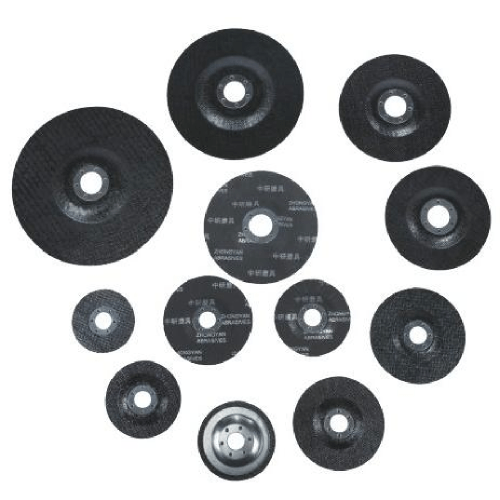
Selecting the right flap disc for your grinding and finishing applications requires careful consideration of multiple factors that directly impact performance and results. A flap disc consists of overlapping abrasive flaps mounted on a backing plate, creating a versatile tool capable of both aggressive material removal and smooth finishing operations. Understanding the specific characteristics and applications of different flap disc types will help you make informed decisions that optimize productivity while achieving superior surface quality in your metalworking projects.
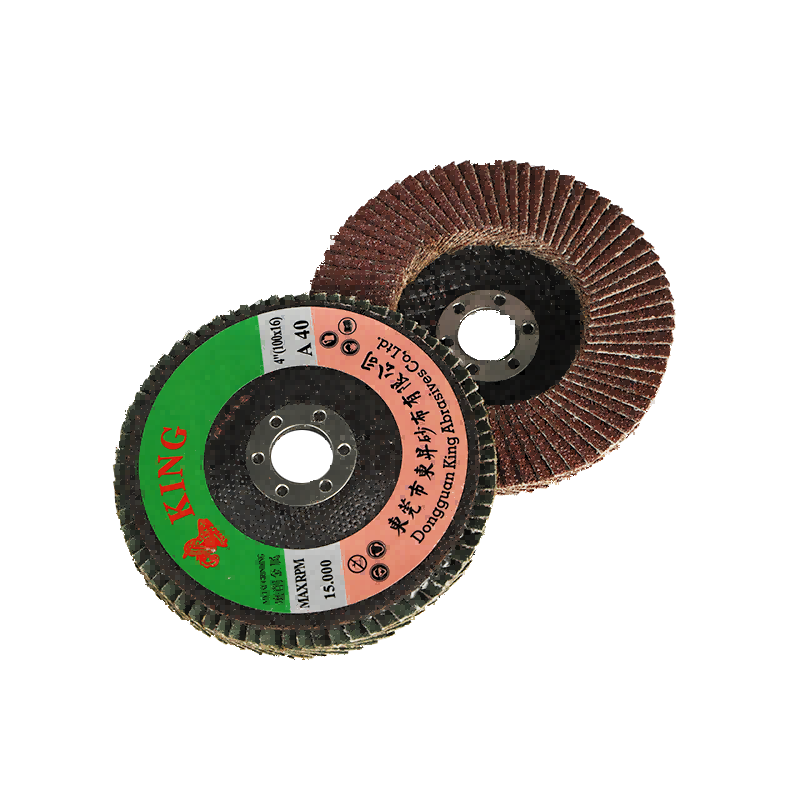
Understanding Flap Disc Construction and Design
Abrasive Materials and Grain Types
The abrasive material used in flap disc construction determines its cutting characteristics and suitability for specific materials. Aluminum oxide remains the most common choice for general-purpose applications, offering excellent performance on ferrous metals including steel and iron. This versatile abrasive provides consistent cutting action and maintains sharp edges throughout extended use, making it ideal for routine grinding and finishing operations.
Zirconia alumina represents a premium option for heavy-duty applications requiring aggressive material removal. This self-sharpening abrasive excels when working with stainless steel, high-alloy steels, and other challenging materials. The unique crystalline structure of zirconia alumina creates new cutting edges as the surface wears, maintaining consistent performance throughout the entire life of the flap disc.
Ceramic abrasives offer the highest performance level for demanding applications involving hardened steels and exotic alloys. These advanced materials operate at cooler temperatures while providing superior cutting rates and extended tool life. Ceramic flap discs represent the optimal choice for production environments where maximum efficiency and consistent results are essential.
Backing Plate Materials and Configurations
The backing plate serves as the foundation for flap disc performance, with fiberglass and plastic options offering distinct advantages for different applications. Fiberglass backing plates provide superior strength and durability, making them suitable for heavy grinding operations where high pressure and aggressive cutting action are required. These robust backing systems maintain dimensional stability under extreme conditions while supporting extended operational life.
Plastic backing plates offer increased flexibility and conformability, making them excellent choices for contour work and finishing applications. The enhanced flexibility allows the flap disc to follow irregular surfaces more effectively while reducing the risk of gouging or creating unwanted marks. This characteristic makes plastic-backed discs particularly valuable for automotive bodywork and architectural metalwork where surface quality is paramount.
Grit Selection and Surface Finish Requirements
Coarse Grit Applications
Coarse grit flap discs ranging from 36 to 60 grit excel at heavy stock removal and weld preparation tasks. These aggressive cutting tools remove material quickly while providing reasonable surface finish for subsequent processing steps. The larger abrasive particles create deeper scratch patterns that effectively remove scale, rust, and heavy oxidation from metal surfaces.
When selecting coarse grit options, consider the material removal requirements and subsequent finishing steps in your process. A 40-grit flap disc provides excellent balance between cutting speed and surface finish, making it suitable for general weld grinding and heavy surface preparation. The aggressive cutting action removes material efficiently while maintaining enough control to prevent excessive gouging or surface damage.
Heavy fabrication work often benefits from 36-grit flap discs that maximize material removal rates. These ultra-coarse options tackle the most demanding applications including thick weld removal and heavy surface preparation on structural steel components. The robust cutting action handles challenging conditions while maintaining consistent performance throughout extended use periods.
Medium and Fine Grit Performance
Medium grit flap discs in the 80 to 120 range provide excellent balance between material removal and surface finish quality. These versatile tools handle a wide variety of applications from light stock removal to intermediate finishing operations. The moderate abrasive size creates controlled cutting action that removes material efficiently while producing smoother surface textures suitable for many end-use applications.
Fine grit options ranging from 150 to 400 grit focus primarily on surface finishing and blending operations. These precision tools create smooth, consistent surface textures while removing minimal material. A quality flap disc in fine grit specifications excels at preparing surfaces for painting or coating applications where surface quality directly impacts adhesion and appearance.
Ultra-fine flap discs above 400 grit serve specialized applications requiring mirror-like finishes or precise surface preparation. These finishing tools remove microscopic surface imperfections while creating uniform scratch patterns that enhance appearance and performance. The delicate cutting action preserves dimensional accuracy while achieving superior surface quality for critical applications.
Material Compatibility and Application Guidelines
Ferrous Metal Applications
Carbon steel and mild steel represent the most common materials processed with flap discs, offering predictable performance characteristics across a wide range of applications. Standard aluminum oxide flap discs provide excellent results on these materials, delivering consistent cutting action and reasonable tool life. The compatibility between aluminum oxide abrasives and ferrous metals creates efficient grinding conditions that maximize productivity while maintaining cost-effectiveness.
Stainless steel requires more aggressive abrasive materials to overcome work hardening characteristics that can reduce cutting efficiency. Zirconia alumina flap discs excel on stainless steel applications, maintaining sharp cutting edges even as the material work hardens under grinding pressure. The self-sharpening characteristics of zirconia alumina ensure consistent performance throughout the entire life of the flap disc.
Cast iron presents unique challenges due to its brittle nature and tendency to create dust during grinding operations. Flap discs designed for cast iron applications feature specialized abrasive formulations that minimize loading while providing controlled material removal. The flexible nature of flap disc construction helps prevent chipping and cracking that can occur with rigid grinding wheels on cast iron components.
Non-Ferrous Metal Considerations
Aluminum and aluminum alloys require careful flap disc selection to prevent loading and achieve optimal results. Specialized flap discs designed for non-ferrous metals feature anti-loading additives and modified abrasive formulations that resist clogging while maintaining cutting efficiency. The softer nature of aluminum demands lighter pressure and higher surface speeds to achieve optimal results without excessive heat generation.
Copper, brass, and bronze applications benefit from flap discs specifically formulated for soft metals. These specialized tools prevent smearing and loading while providing controlled material removal and excellent surface finish. The unique characteristics of non-ferrous metals require modified grinding parameters and specialized abrasive formulations to achieve professional results.
Operating Parameters and Safety Considerations
Speed and Pressure Guidelines
Proper operating speed represents a critical factor in flap disc performance and safety. Maximum safe operating speeds are clearly marked on every flap disc and must never be exceeded to prevent catastrophic failure. Operating at appropriate speeds ensures optimal cutting performance while maintaining safe working conditions for operators and surrounding personnel.
Applied pressure significantly affects flap disc performance and tool life. Excessive pressure reduces cutting efficiency while accelerating wear and generating excessive heat that can damage both the workpiece and the abrasive tool. Light to moderate pressure allows the flap disc to cut efficiently while maximizing tool life and maintaining superior surface finish quality.
Optimal grinding technique involves maintaining consistent contact pressure while allowing the flap disc to do the work. Experienced operators develop a feel for the proper pressure that maximizes material removal while preventing premature wear or workpiece damage. This technique requires practice and attention to the feedback provided by the grinding process.
Safety Equipment and Precautions
Personal protective equipment remains essential when operating flap discs in any application. Safety glasses or face shields protect against flying debris and sparks generated during grinding operations. The high-speed rotation of flap discs creates significant kinetic energy that can propel particles at dangerous velocities, making eye protection absolutely critical.
Respiratory protection becomes necessary when grinding operations generate dust or fumes that could pose health hazards. Proper ventilation and dust collection systems help minimize exposure while maintaining safe working conditions. Some materials require specialized respiratory protection to prevent inhalation of harmful particles or chemical compounds.
Work holding and clamping systems ensure workpiece stability during grinding operations. Secure clamping prevents movement that could cause binding or kickback conditions that endanger operators and damage equipment. Proper work holding also improves grinding accuracy and surface finish quality by maintaining consistent positioning throughout the operation.
Tool Life Optimization and Cost Management
Storage and Handling Practices
Proper storage conditions significantly impact flap disc performance and shelf life. Exposure to moisture, extreme temperatures, and direct sunlight can degrade the adhesive systems that bond abrasive flaps to backing plates. Climate-controlled storage areas maintain optimal conditions that preserve tool integrity and ensure consistent performance when discs are placed into service.
Careful handling prevents physical damage that can compromise safety and performance. Dropping or impacting flap discs can create invisible cracks or delamination that may lead to catastrophic failure during operation. Proper handling procedures include visual inspection before use and immediate removal from service of any damaged tools.
Inventory rotation systems ensure that older stock is used first, preventing deterioration from extended storage periods. Even properly stored flap discs have finite shelf lives that depend on adhesive systems and environmental conditions. First-in, first-out inventory management maintains tool quality while minimizing waste from expired products.
Performance Monitoring and Replacement Criteria
Regular performance monitoring helps identify optimal replacement timing that balances tool life with cutting efficiency. As flap discs wear, cutting rates decrease while surface finish quality may deteriorate. Experienced operators recognize performance changes that indicate approaching end-of-life conditions, allowing planned replacement before productivity suffers significantly.
Visual inspection criteria help determine when flap disc replacement becomes necessary. Worn flaps that expose backing plate material indicate that useful abrasive material has been consumed and replacement is required. Operating worn flap discs beyond their useful life creates safety hazards while producing poor results that may require additional processing steps.
Cost-per-part analysis provides objective data for optimizing flap disc selection and replacement intervals. This approach considers not only initial tool cost but also productivity rates, surface finish quality, and subsequent processing requirements. Comprehensive cost analysis often reveals that premium flap discs provide better overall value through improved performance and extended tool life.
FAQ
What factors determine the best grit size for my specific application
Grit size selection depends primarily on material removal requirements and desired surface finish. Coarse grits from 36 to 60 provide aggressive cutting for heavy stock removal and weld preparation. Medium grits between 80 and 120 offer balanced performance for general grinding and intermediate finishing. Fine grits above 150 focus on surface preparation and finishing operations where minimal material removal is required.
How do I know when a flap disc needs replacement
Replace flap discs when abrasive flaps wear down to expose the backing plate, when cutting performance noticeably decreases, or when surface finish quality deteriorates. Visual inspection should reveal uniform flap wear without excessive loading or glazing. Operating worn discs beyond their useful life creates safety risks while producing substandard results that may require additional processing.
Can I use the same flap disc for different metals
While some flap discs work adequately across multiple materials, optimal results require matching abrasive type to specific applications. Aluminum oxide works well on most ferrous metals, while zirconia alumina excels on stainless steel and harder alloys. Non-ferrous metals like aluminum benefit from specialized formulations that prevent loading. Cross-contamination between dissimilar metals may also require dedicated tools to prevent material compatibility issues.
What safety precautions are most important when using flap discs
Never exceed the maximum rated speed marked on the flap disc, as this can cause catastrophic failure. Always wear appropriate personal protective equipment including safety glasses, hearing protection, and respiratory protection when necessary. Inspect discs before use for any visible damage or defects. Ensure proper work holding to prevent workpiece movement that could cause binding or kickback conditions during operation.