 EN
EN


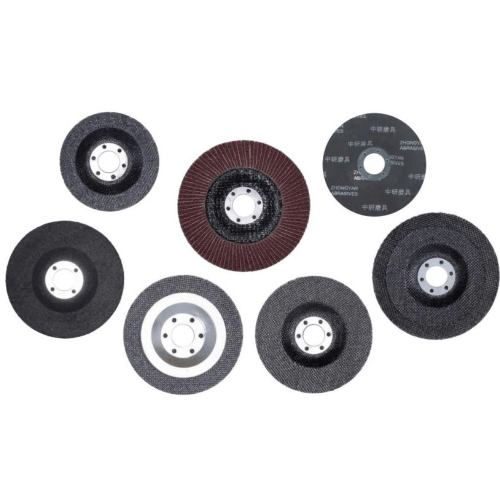
Workplace safety is paramount when operating power tools, and using a flap disc requires careful attention to protective protocols and proper handling techniques. These versatile abrasive tools combine cutting, grinding, and finishing capabilities in a single disc, making them indispensable for metalworking, construction, and fabrication industries. Understanding the fundamental safety principles surrounding flap disc operation can prevent serious injuries and ensure optimal performance throughout your workday. Professional workers who prioritize safety protocols experience fewer accidents, reduced downtime, and improved productivity when working with these powerful grinding accessories.
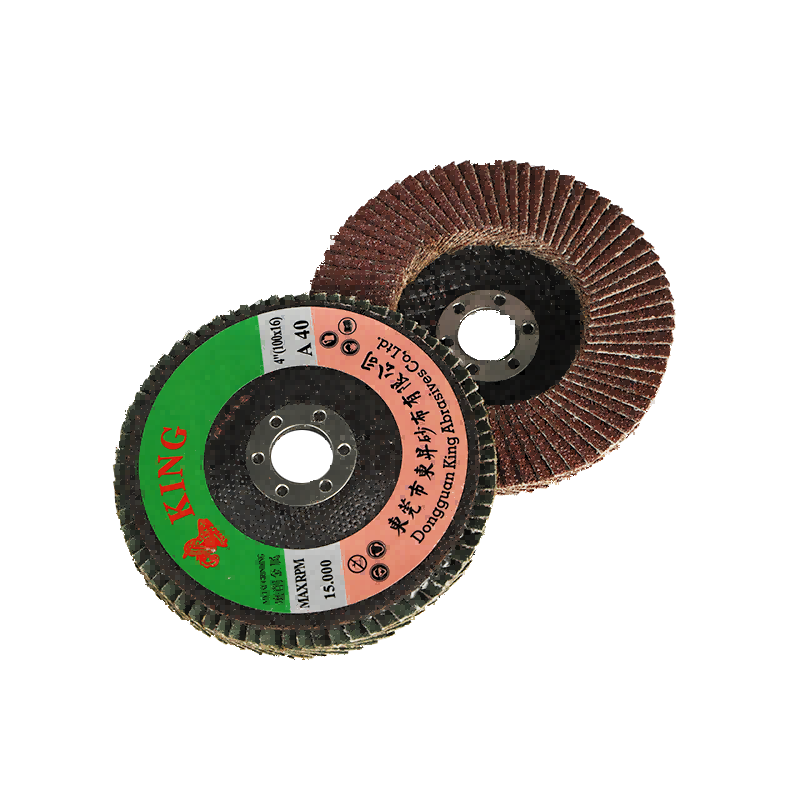
Personal Protective Equipment Requirements
Essential Safety Gear Selection
Selecting appropriate personal protective equipment forms the foundation of safe flap disc operation. Safety glasses with side shields provide crucial eye protection against flying debris and sparks generated during grinding operations. Full-face shields offer additional protection when working with materials that produce significant spark volumes or when operating in confined spaces. High-quality safety glasses should meet ANSI Z87.1 standards and feature impact-resistant lenses designed to withstand high-velocity particle impacts.
Hearing protection becomes essential when operating angle grinders equipped with flap disc attachments for extended periods. Prolonged exposure to grinding noise levels exceeding 85 decibels can cause permanent hearing damage over time. Foam earplugs, silicone inserts, or noise-canceling headphones provide effective sound dampening while maintaining situational awareness. Workers should select hearing protection devices that offer at least 25-decibel noise reduction ratings for optimal safety compliance.
Respiratory Protection Considerations
Dust and particle inhalation poses significant health risks when grinding various materials with a flap disc attachment. Metal particles, paint chips, rust fragments, and coating materials can cause respiratory irritation and long-term lung damage without proper protection. N95 respirators provide basic filtration for light grinding applications, while P100 filters offer superior protection against fine particles and hazardous materials. Workers grinding stainless steel, aluminum, or painted surfaces should use powered air-purifying respirators for maximum safety.
Ventilation systems and dust extraction equipment complement personal respiratory protection by removing airborne contaminants at the source. Portable dust collectors with HEPA filtration capture particles before they become airborne, reducing overall exposure levels. Industrial facilities should implement engineering controls including local exhaust ventilation systems specifically designed for metalworking operations involving abrasive tools.
Proper Tool Inspection and Maintenance
Pre-Operation Safety Checks
Conducting thorough inspections before each use prevents accidents caused by damaged or worn flap disc components. Visual examination should focus on identifying cracks, chips, missing abrasive flaps, or signs of excessive wear that could cause disc failure during operation. The mounting hardware including backing plates, flanges, and securing nuts requires careful inspection to ensure proper thread engagement and tightness specifications. Any flap disc showing visible damage or irregular wear patterns should be immediately removed from service and properly disposed of according to manufacturer guidelines.
Speed rating verification ensures compatibility between the grinding tool and flap disc specifications. Operating speeds exceeding manufacturer recommendations can cause catastrophic disc failure and serious injury. The maximum RPM rating clearly marked on each disc must never be exceeded, and workers should verify their grinder's no-load speed matches the disc's capabilities. Digital tachometers provide accurate speed measurements for tools lacking built-in speed displays.
Storage and Handling Protocols
Proper storage conditions extend flap disc service life while maintaining safety performance characteristics. Abrasive discs should be stored in dry locations away from extreme temperatures, moisture, and chemical exposure that can degrade bonding agents and abrasive materials. Vertical storage racks prevent warping and edge damage that occurs when discs are stacked horizontally under weight. Individual protective sleeves or containers shield unused discs from contamination and physical damage during transport and storage.
Handling techniques significantly impact disc integrity and worker safety during installation and removal procedures. Workers should support the entire disc diameter when lifting or positioning to prevent stress concentrations that can initiate crack formation. Dropped or impacted discs require thorough inspection before use, as internal damage may not be immediately visible. Installing a flap disc requires proper backing plate alignment and gradual tightening in a cross-pattern sequence to ensure uniform clamping pressure distribution.
Operational Safety Techniques
Correct Grinding Angles and Pressure
Maintaining proper grinding angles prevents kickback incidents and ensures optimal flap disc performance throughout its service life. The recommended contact angle typically ranges between 15 and 30 degrees, allowing the abrasive flaps to engage the workpiece progressively rather than aggressively. Steep angles increase the risk of disc grabbing and sudden tool deflection, while shallow angles reduce cutting efficiency and cause premature wear. Experienced operators develop muscle memory for maintaining consistent angles through practice and proper body positioning.
Excessive grinding pressure accelerates disc wear and increases the likelihood of overheating, which can cause backing plate separation or abrasive degradation. Light to moderate pressure allows the flap disc abrasive grains to cut effectively while maintaining controlled material removal rates. Heavy pressure generates excessive heat buildup that can damage both the workpiece and the grinding disc. Professional metalworkers often recommend letting the disc do the work rather than forcing aggressive material removal through excessive downward pressure.
Workpiece Securing and Support
Securing workpieces prevents dangerous movement during grinding operations that can cause loss of control or unexpected contact with the rotating flap disc. Clamps, vises, and fixture systems provide stable platforms that allow operators to maintain proper tool positioning and control. Small parts require particular attention to securing methods, as they can be easily displaced by grinding forces and become projectiles. Magnetic workholding systems offer convenient securing for ferrous materials while allowing easy repositioning during complex grinding operations.
Adequate workpiece support prevents vibration and chatter that can cause poor surface finishes and accelerated disc wear. Supporting long or flexible materials at multiple points distributes grinding forces and maintains dimensional stability throughout the process. Adjustable supports and steady rests accommodate various workpiece geometries while providing consistent backing during grinding operations. Operators should position supports close to the grinding area without interfering with tool movement or operator access.
Common Hazards and Prevention
Kickback Prevention Strategies
Kickback represents one of the most serious hazards associated with flap disc operation, occurring when the rotating disc suddenly binds or catches in the workpiece. This phenomenon can cause the grinder to jerk violently toward the operator or spin out of control, potentially causing severe injuries. Understanding the conditions that promote kickback helps operators recognize and avoid dangerous situations before they develop. Binding typically occurs when the disc becomes pinched in narrow slots, when grinding pressure is applied too aggressively, or when the tool angle causes the disc to dig into the material.
Proper body positioning and grip techniques provide the first line of defense against kickback incidents. Operators should maintain a balanced stance with feet positioned to provide stable support if the tool suddenly moves. Both hands should firmly grip the tool with thumbs wrapped around the handles, providing maximum control during unexpected movements. Side handles and auxiliary grips distribute control forces across both arms, reducing fatigue and improving reaction times during emergency situations.
Heat Management and Burn Prevention
Heat generation during flap disc grinding operations can cause workpiece distortion, disc degradation, and serious burn injuries to operators. Extended grinding in the same location concentrates thermal energy, potentially reaching temperatures sufficient to cause immediate skin damage upon contact. Intermittent grinding techniques allow heat dissipation between passes, preventing excessive temperature buildup in both the workpiece and the abrasive disc. Moving the grinding pattern across the work surface distributes heat input and promotes more uniform material removal.
Cooling strategies become particularly important when working with heat-sensitive materials or when performing precision grinding operations. Compressed air systems can provide localized cooling while clearing debris from the grinding zone. Water-based coolants offer superior heat removal but require specialized equipment and safety considerations to prevent electrical hazards. Operators should be aware that hot workpieces retain thermal energy long after grinding stops and can cause burns through inadvertent contact.
Training and Certification Requirements
Operator Competency Standards
Establishing comprehensive training programs ensures workers develop the knowledge and skills necessary for safe flap disc operation. Basic training should cover tool familiarization, safety equipment requirements, proper operational techniques, and emergency procedures. Hands-on practice under qualified supervision allows new operators to develop muscle memory and confidence while learning to recognize potential hazards. Documentation of training completion and competency verification provides legal protection for employers and ensures consistency across all workers.
Advanced training modules address specialized applications, troubleshooting techniques, and maintenance procedures that experienced operators encounter in their daily work. Regular refresher training keeps workers updated on new safety regulations, equipment improvements, and best practices developed through industry experience. Training records should include practical demonstrations, written examinations, and ongoing performance evaluations to maintain competency standards throughout employment.
Regulatory Compliance Framework
Occupational safety regulations provide mandatory minimum standards for flap disc operation in industrial environments. OSHA requirements specify personal protective equipment standards, training documentation, hazard communication protocols, and workplace safety inspections. Employers must maintain current knowledge of applicable regulations and ensure all workers receive appropriate training and equipment to meet compliance requirements. Regular safety audits identify potential deficiencies and provide opportunities for continuous improvement.
Industry-specific regulations may impose additional requirements beyond general occupational safety standards. Construction, manufacturing, and shipbuilding industries often have specialized protocols for abrasive tool usage based on unique hazards and working conditions. Professional certifications and trade organization standards provide additional guidance for maintaining best practices and competitive advantage through superior safety performance.
Emergency Response Procedures
Accident Response Protocols
Immediate response procedures can significantly reduce injury severity when accidents occur during flap disc operations. Workers should be trained to immediately shut off power tools and secure the work area to prevent additional injuries. First aid training specific to grinding injuries, including cuts, burns, and eye injuries, enables prompt treatment before professional medical assistance arrives. Emergency contact information and procedures should be prominently displayed and regularly practiced through safety drills.
Documentation requirements for workplace accidents ensure proper investigation and prevention of similar incidents. Detailed incident reports should include circumstances leading to the accident, contributing factors, injuries sustained, and corrective actions implemented. Root cause analysis helps identify systemic issues that may require changes to training programs, equipment specifications, or operational procedures. Accident investigation findings should be shared with all workers to promote continuous learning and improvement.
Equipment Emergency Procedures
Equipment malfunctions during flap disc operation require immediate recognition and appropriate response to prevent escalation into serious accidents. Disc breakage, motor overheating, or sudden vibration changes indicate potential equipment failure requiring immediate shutdown and inspection. Emergency shutdown procedures should be practiced regularly so operators can respond instinctively during high-stress situations. Power disconnection and tool isolation prevent inadvertent startup during emergency response activities.
Recovery procedures following equipment emergencies focus on safe restoration of normal operations. Thorough inspection of all tool components, replacement of damaged parts, and verification of proper operation ensure safety before resuming work. Documentation of equipment failures helps identify patterns that may indicate maintenance deficiencies or design problems requiring engineering solutions. Communication with equipment manufacturers provides access to technical support and safety bulletins addressing known issues.
FAQ
What PPE is required when using a flap disc
Essential personal protective equipment includes ANSI-approved safety glasses or face shields, hearing protection rated for at least 25dB noise reduction, and appropriate respiratory protection based on the materials being ground. Work gloves should provide cut resistance while maintaining dexterity, and protective clothing should cover exposed skin to prevent burns from sparks and debris. The specific PPE requirements may vary based on the work environment and materials being processed.
How do I know when a flap disc needs replacement
Replace a flap disc when the abrasive flaps are worn down to the backing plate level, when cracks or chips become visible, or when the disc no longer cuts effectively despite proper technique. Excessive vibration, unusual noise, or irregular wear patterns also indicate the need for replacement. Never attempt to use a damaged disc, as failure during operation can cause serious injury.
What is the maximum safe operating speed for flap discs
The maximum safe operating speed is clearly marked on each flap disc and should never be exceeded. Most standard flap discs are rated for speeds between 8,500 and 13,300 RPM, but this varies by size and manufacturer. Always verify that your grinder's operating speed is compatible with the disc's maximum rated speed before installation. Using a disc at speeds higher than its rating can cause catastrophic failure.
Can I use a damaged flap disc if the damage appears minor
Never use a damaged flap disc regardless of how minor the damage appears. Even small cracks or chips can propagate rapidly under the stress of high-speed rotation, leading to complete disc failure and potential serious injury. Any visible damage, including missing abrasive flaps, backing plate cracks, or impact damage, requires immediate disc replacement. The cost of a new disc is minimal compared to the potential consequences of disc failure.