 EN
EN


Metal finishing professionals consistently rely on specialized abrasive tools to achieve superior surface quality and precision in their work. Among these essential tools, the flap wheel stands out as one of the most versatile and effective solutions for various industrial applications. This comprehensive guide explores the top applications where flap wheel technology delivers exceptional results, helping manufacturers and craftsmen optimize their finishing processes while maintaining consistent quality standards across diverse metal working projects.
Understanding Flap Wheel Technology
Construction and Design Features
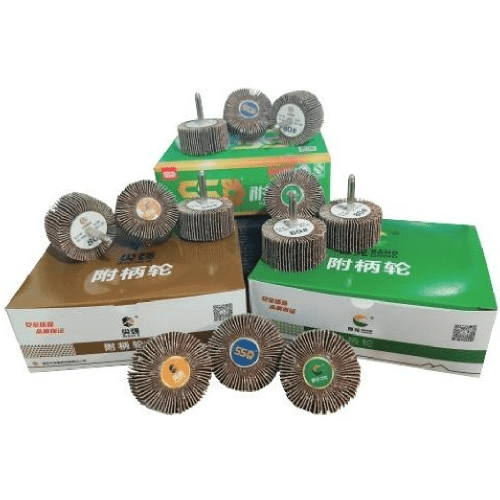
The modern flap wheel incorporates overlapping abrasive flaps arranged radially around a central hub, creating a flexible yet durable grinding surface. Each flap contains high-quality abrasive grains that provide consistent cutting action while conforming to irregular surfaces. This unique design allows the flap wheel to maintain optimal contact with workpieces, ensuring uniform material removal and superior surface finish quality throughout extended use periods.
Manufacturing processes utilize various abrasive materials including aluminum oxide, silicon carbide, and ceramic grains to create flap wheels suited for specific applications. The backing material, typically cloth or fiber, determines the flexibility and durability characteristics of each flap wheel variant. Professional metalworkers select appropriate grit sizes ranging from coarse to ultra-fine depending on their specific surface preparation and finishing requirements.
Operating Principles and Benefits
Flap wheel operation relies on the gradual wear of individual flaps, which continuously exposes fresh abrasive grains during use. This self-sharpening characteristic maintains consistent cutting performance throughout the tool's lifespan, reducing downtime and replacement costs. The flexible nature of flap wheels enables effective finishing of complex geometries, curved surfaces, and hard-to-reach areas that rigid grinding wheels cannot access efficiently.
Temperature control represents another significant advantage of flap wheel technology, as the overlapping flap design promotes better heat dissipation compared to solid grinding wheels. This thermal management capability prevents workpiece distortion and maintains material properties during intensive finishing operations, making flap wheels particularly valuable for heat-sensitive applications.
Automotive Industry Applications
Body Panel Preparation and Restoration
Automotive body shops extensively utilize flap wheel technology for preparing metal panels before painting and coating applications. The conformable nature of flap wheels makes them ideal for smoothing welded seams, removing surface rust, and blending repair areas seamlessly with surrounding surfaces. Professional technicians appreciate how flap wheels provide controlled material removal without creating deep scratches or gouges that compromise paint adhesion.
Classic car restoration projects particularly benefit from flap wheel versatility, as these tools effectively remove multiple layers of old paint and corrosion while preserving the underlying metal structure. The progressive cutting action allows restoration specialists to work methodically through different surface conditions, achieving consistent results across large panel areas without risking damage to irreplaceable components.
Exhaust System Fabrication
Custom exhaust system manufacturers rely on flap wheel technology for finishing stainless steel and mild steel components. The ability to work effectively on curved pipe surfaces and tight radius bends makes flap wheels indispensable for achieving professional-quality welds and seamless joints. Fabricators use various grit sequences to progress from initial weld cleanup through final polishing stages, creating exhaust systems with superior aesthetic appeal and corrosion resistance.
Performance exhaust applications demand precise surface finishes to optimize flow characteristics and minimize turbulence. Flap wheels enable fabricators to achieve smooth internal surfaces and eliminate sharp edges that could restrict exhaust gas flow, directly contributing to improved engine performance and efficiency in high-performance automotive applications.
Aerospace Manufacturing Excellence
Component Surface Preparation
Aerospace manufacturing demands exceptional surface quality standards, making flap wheel selection critical for component preparation processes. Titanium alloys, aluminum structures, and specialty steels require careful surface treatment to ensure proper adhesion of protective coatings and structural bonding materials. Flap wheels provide the controlled abrasive action necessary to achieve specified surface roughness parameters without introducing stress concentrations or metallurgical changes.
Quality control procedures in aerospace applications require consistent surface preparation across production batches, and flap wheel technology delivers the repeatability necessary to meet stringent certification requirements. The predictable wear characteristics and uniform abrasive distribution ensure that each component receives identical surface treatment, supporting traceability and quality assurance protocols essential in aerospace manufacturing.
Turbine Blade Finishing
Turbine blade manufacturing represents one of the most demanding applications for flap wheel technology, requiring precise surface finishes on complex aerodynamic profiles. The flexible nature of flap wheels allows finishing of intricate blade geometries while maintaining critical dimensional tolerances. Specialized flap wheel configurations enable manufacturers to achieve mirror-like finishes on leading and trailing edges, directly impacting turbine efficiency and performance characteristics.
Advanced ceramic and superalloy materials used in modern turbine construction require specific flap wheel formulations to achieve optimal results. The controlled cutting action prevents work hardening and maintains the metallurgical properties essential for high-temperature operation, making flap wheels an integral component of advanced propulsion system manufacturing processes.
General Fabrication and Welding
Weld Bead Cleanup and Blending
Professional welders consistently choose flap wheel solutions for post-weld cleanup operations, as these tools effectively remove slag, spatter, and oxidation while blending weld profiles seamlessly with base materials. The conformable abrasive surface follows weld contours naturally, eliminating the risk of undercutting or excessive material removal that can compromise joint integrity. Progressive grit selection allows welders to move efficiently from initial cleanup through final finishing stages.
Structural steel fabrication benefits significantly from flap wheel versatility, particularly when preparing welds for inspection or coating applications. The ability to achieve consistent surface profiles across multiple weld passes ensures proper penetrant testing results and coating adhesion, supporting quality assurance requirements in critical structural applications.
Edge Deburring and Chamfering
Metal fabrication operations frequently require edge preparation to remove sharp burrs and create consistent chamfers for safety and assembly purposes. Flap wheel technology excels at these applications due to its ability to maintain constant pressure against edges while following irregular profiles. The progressive wear characteristic ensures consistent chamfer dimensions throughout extended production runs, supporting automated and semi-automated fabrication processes.
Precision sheet metal work particularly benefits from flap wheel edge treatment, as these tools can create uniform edge finishes without distorting thin materials. The controlled cutting action prevents work hardening and maintains material properties essential for subsequent forming operations, making flap wheels valuable tools in progressive manufacturing sequences.
Maintenance and Repair Applications
Equipment Restoration Projects
Industrial maintenance teams utilize flap wheel technology extensively for equipment restoration and refurbishment projects. The ability to remove multiple layers of paint, corrosion, and scale while preserving underlying metal surfaces makes flap wheels ideal for extending equipment service life. Maintenance professionals appreciate how flap wheels can work effectively in confined spaces and irregular geometries commonly encountered in industrial machinery.
Plant maintenance operations benefit from flap wheel versatility when addressing various surface conditions across different equipment types. The range of available grit sizes and backing materials allows maintenance teams to tackle everything from light surface cleaning to heavy material removal using standardized tooling approaches, simplifying inventory management and training requirements.
Corrosion Removal and Surface Renewal
Corrosion removal represents a critical application where flap wheel performance directly impacts asset longevity and operational reliability. The controlled abrasive action effectively eliminates rust and oxidation while minimizing base metal removal, preserving component dimensions and structural integrity. Progressive grit sequences enable maintenance teams to address varying corrosion severity levels using systematic approaches that ensure complete contamination removal.
Marine and offshore applications particularly benefit from specialized flap wheel formulations designed to address saltwater corrosion and environmental degradation. The ability to prepare surfaces for protective coating application in challenging environments makes flap wheels essential tools for maintaining critical infrastructure in harsh operating conditions.
Specialty Manufacturing Processes
Medical Device Component Finishing
Medical device manufacturing requires exceptional surface quality standards, making flap wheel selection critical for achieving biocompatible surface finishes. Stainless steel implants, titanium prosthetics, and surgical instruments demand precise surface textures to ensure proper biological integration and performance. Flap wheel technology provides the controlled finishing capability necessary to achieve specified roughness parameters while maintaining dimensional accuracy.
Validation procedures in medical manufacturing require consistent surface preparation across production batches, and flap wheel technology delivers the repeatability necessary to meet regulatory requirements. The predictable performance characteristics support process validation protocols essential for FDA compliance and international medical device certification standards.
Precision Tooling Applications
Tool and die manufacturing utilizes flap wheel technology for creating precise surface finishes on cutting tools, forming dies, and injection molds. The ability to achieve mirror-like finishes while maintaining critical edge geometries makes flap wheels valuable for applications where surface quality directly impacts product performance. Progressive finishing sequences using multiple flap wheel grits enable toolmakers to achieve optimal surface conditions for various manufacturing processes.
Hardened tool steel finishing presents unique challenges that flap wheel technology addresses effectively through specialized abrasive formulations and construction techniques. The controlled cutting action prevents thermal damage while achieving the surface quality necessary for extended tool life and consistent part production in demanding manufacturing environments.
Performance Optimization Strategies
Selection Criteria and Best Practices
Optimal flap wheel performance requires careful consideration of workpiece material, desired surface finish, and production requirements. Material hardness, thermal sensitivity, and geometric complexity influence abrasive selection and operating parameters. Professional users develop systematic approaches to flap wheel selection based on proven combinations that deliver consistent results across similar applications.
Operating speed optimization directly impacts flap wheel performance and service life, with specific speed ranges recommended for different materials and applications. Proper technique development includes maintaining appropriate contact pressure, using consistent feed rates, and implementing cooling strategies when working with heat-sensitive materials. These practices maximize productivity while ensuring consistent surface quality throughout production cycles.
Quality Control and Process Monitoring
Implementing quality control measures ensures consistent flap wheel performance across production environments. Surface roughness measurement, dimensional verification, and visual inspection protocols help maintain finishing standards while identifying potential process variations. Regular monitoring enables proactive adjustments that prevent quality issues and optimize production efficiency.
Process documentation and standardization support consistent flap wheel application across different operators and production shifts. Detailed procedures that specify tool selection, operating parameters, and quality criteria enable manufacturing organizations to achieve predictable results while supporting continuous improvement initiatives and operator training programs.
FAQ
What factors determine the appropriate flap wheel grit size for specific applications
Flap wheel grit selection depends on material hardness, desired surface finish, and material removal requirements. Coarse grits ranging from 40 to 80 work effectively for heavy material removal and initial surface preparation, while medium grits between 100 to 180 provide balanced cutting action for general finishing applications. Fine grits from 220 to 400 achieve smooth surface finishes and light polishing effects. Consider starting with coarser grits for aggressive material removal and progressing through finer grits to achieve the desired final surface quality.
How do operating speeds affect flap wheel performance and longevity
Operating speed significantly impacts both cutting efficiency and flap wheel service life, with optimal speeds varying based on workpiece material and wheel diameter. Higher speeds generally increase material removal rates but may cause excessive heat generation and premature wheel wear. Lower speeds provide better surface finish control but reduce productivity. Most applications benefit from speeds between 1,500 to 6,000 surface feet per minute, with harder materials requiring lower speeds to prevent thermal damage and softer materials accommodating higher speeds for improved efficiency.
Can flap wheels effectively work on stainless steel and other difficult-to-machine materials
Flap wheels perform excellently on stainless steel and challenging materials when properly selected and applied. Stainless steel applications benefit from aluminum oxide or ceramic abrasive formulations that resist loading and maintain sharp cutting edges throughout use. Work hardening prevention requires maintaining consistent feed rates and avoiding excessive dwell time in one area. Specialized flap wheel designs with open coat configurations and anti-loading treatments enable effective finishing of sticky materials like stainless steel, titanium, and nickel alloys while maintaining consistent surface quality.
What maintenance practices extend flap wheel service life and performance
Proper storage in clean, dry environments prevents contamination and premature degradation of abrasive materials. Regular cleaning removes accumulated debris and prevents loading that reduces cutting efficiency. Rotation of flap wheels during use ensures even wear distribution and maximizes service life. Monitoring wheel condition through visual inspection helps identify wear patterns that indicate improper use or the need for replacement. Maintaining appropriate operating parameters including speed, pressure, and cooling prevents premature failure while ensuring consistent performance throughout the wheel's service life.
Table of Contents
- Understanding Flap Wheel Technology
- Automotive Industry Applications
- Aerospace Manufacturing Excellence
- General Fabrication and Welding
- Maintenance and Repair Applications
- Specialty Manufacturing Processes
- Performance Optimization Strategies
-
FAQ
- What factors determine the appropriate flap wheel grit size for specific applications
- How do operating speeds affect flap wheel performance and longevity
- Can flap wheels effectively work on stainless steel and other difficult-to-machine materials
- What maintenance practices extend flap wheel service life and performance