 EN
EN


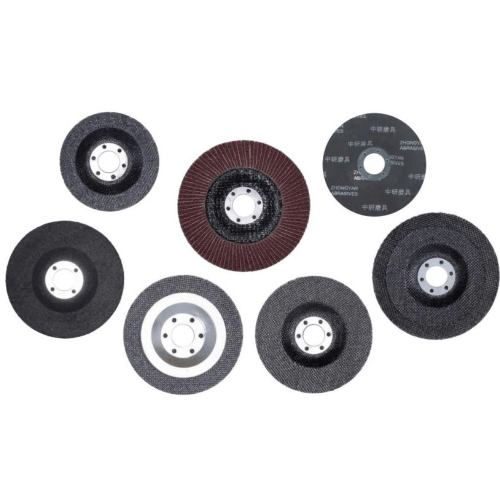
When selecting sandpaper for your next project, understanding the fundamental differences between wet vs dry sandpaper becomes crucial for achieving professional results. These two distinct types of abrasive materials serve different purposes and applications, with each offering unique advantages depending on your specific sanding requirements. The choice between wet and dry sanding methods can significantly impact surface finish quality, dust management, and overall project efficiency.
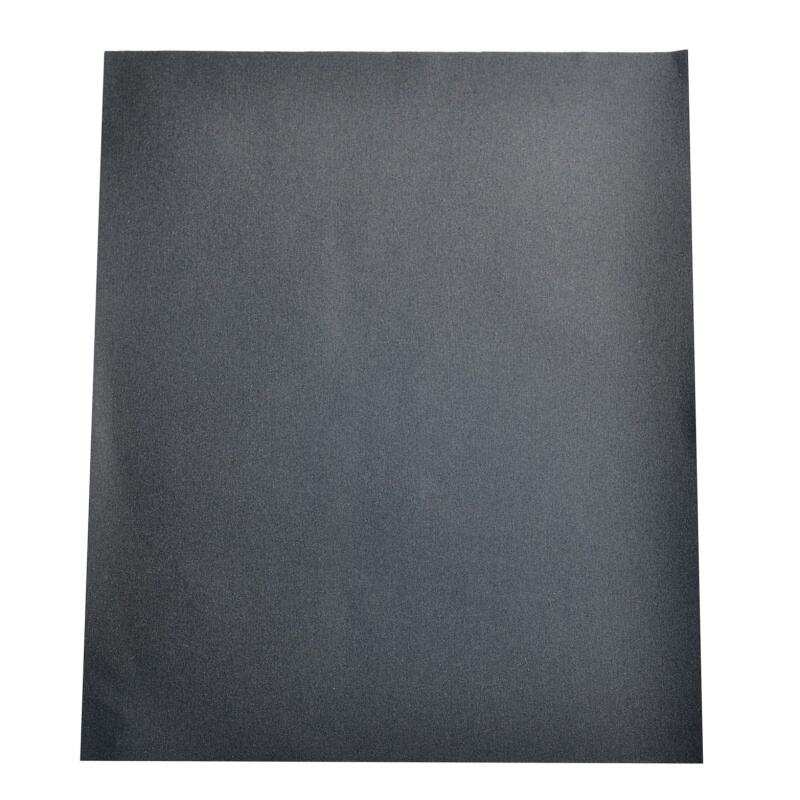
The decision between wet vs dry sandpaper typically depends on factors such as material type, desired finish quality, dust control requirements, and working environment conditions. Professional craftsmen and industrial applications rely on specific selection criteria to determine which sanding approach delivers optimal results for their particular situation. Understanding these selection principles ensures you choose the most effective method for your woodworking, metalworking, automotive, or construction projects.
Understanding Wet Sandpaper Characteristics and Applications
Waterproof Construction and Material Composition
Wet sandpaper features waterproof backing materials and specially formulated adhesives that maintain integrity when exposed to moisture. The abrasive particles are typically silicon carbide or aluminum oxide, bonded using resin systems designed to withstand continuous water exposure. This waterproof construction allows the wet vs dry sandpaper comparison to favor wet methods when working with materials requiring superior surface smoothness.
The backing paper or cloth substrate undergoes special treatment processes that prevent delamination and maintain dimensional stability during wet sanding operations. Waterproof sandpaper maintains consistent grit performance even when saturated, ensuring uniform material removal rates throughout extended sanding sessions. These construction characteristics make wet sandpaper essential for applications demanding exceptional surface quality and finish consistency.
Superior Dust Control and Surface Quality Benefits
Water lubrication during wet sanding effectively captures and removes abraded particles, preventing surface contamination and achieving superior finish quality. The wet vs dry sandpaper selection process often favors wet methods when dust control becomes a primary concern for health and safety requirements. Water acts as both a lubricant and cleaning agent, continuously flushing away debris that could otherwise create surface scratches or imperfections.
Wet sanding produces significantly smoother surface finishes compared to dry methods, particularly important for automotive painting, fine woodworking, and precision metalworking applications. The continuous lubrication prevents loading of abrasive particles and extends sandpaper life while maintaining consistent cutting action. Professional applications requiring mirror-like finishes typically rely on wet sanding techniques to achieve the necessary surface quality standards.
Heat Reduction and Extended Abrasive Life
Water lubrication during wet sanding operations significantly reduces friction-generated heat, preventing thermal damage to sensitive materials and extending abrasive life. The cooling effect of water prevents substrate warping, discoloration, or structural changes that can occur during aggressive dry sanding operations. When evaluating wet vs dry sandpaper options, heat-sensitive materials typically require wet sanding approaches to maintain material integrity.
Extended abrasive life results from reduced particle wear and decreased loading, making wet sandpaper more economical for large-scale operations despite higher initial setup requirements. The continuous cleaning action prevents clogging of abrasive particles, maintaining consistent cutting performance throughout the sanding process. Professional workshops often prefer wet sanding for cost-effective operation when processing high volumes of materials requiring superior surface preparation.
Dry Sandpaper Advantages and Optimal Use Scenarios
Convenience and Operational Simplicity
Dry sanding operations offer unmatched convenience and operational simplicity, requiring no water supply, drainage systems, or moisture management considerations. The wet vs dry sandpaper comparison clearly favors dry methods when working in environments without adequate water access or when immediate surface coating application is required. Dry sanding allows for instant project progression without drying time requirements or moisture-related complications.
Portable dry sanding equipment provides greater flexibility for field work, construction sites, and remote locations where water supply may be limited or impractical. The absence of water eliminates concerns about electrical safety, corrosion of metal components, and environmental considerations related to contaminated water disposal. Many construction and maintenance applications rely exclusively on dry sanding methods due to these practical advantages and operational requirements.
Material Compatibility and Immediate Processing
Certain materials respond better to dry sanding methods, particularly wood species that may raise grain when exposed to moisture or metal alloys susceptible to corrosion during wet processing. The wet vs dry sandpaper selection process must consider material-specific requirements and compatibility issues that could affect final surface quality or structural integrity. Dry sanding prevents moisture absorption in porous materials that could cause dimensional changes or finishing problems.
Immediate surface coating application becomes possible with dry sanding, eliminating waiting periods required for moisture evaporation after wet sanding operations. This advantage proves crucial in production environments where cycle time directly impacts profitability and efficiency. Dry sanding also prevents water spotting or mineral deposits that can occur with certain water qualities, ensuring consistent surface preparation for subsequent finishing processes.
Rapid Material Removal and Aggressive Cutting Action
Dry sanding typically provides more aggressive material removal rates, making it ideal for initial surface preparation, paint removal, or heavy stock removal applications. The absence of water lubrication increases friction and cutting efficiency, allowing faster progression through material removal stages. When comparing wet vs dry sandpaper for heavy-duty applications, dry methods often deliver superior productivity for rough shaping and initial surface preparation work.
Coarser grits perform more effectively in dry conditions, where increased friction enhances cutting action and material removal efficiency. Professional contractors often prefer dry sanding for demolition work, surface preparation, and renovation projects requiring rapid material removal. The aggressive cutting action of dry sandpaper makes it essential for applications where speed and efficiency take priority over ultimate surface finish quality.
Selection Criteria Based on Project Requirements
Surface Finish Quality Expectations
Surface finish requirements serve as the primary determinant when choosing between wet vs dry sandpaper options for specific applications. Projects requiring mirror-like finishes, such as automotive clear coat preparation or high-end furniture finishing, typically necessitate wet sanding approaches to achieve the required smoothness and optical clarity. The lubrication provided by water enables finer abrasive action and prevents surface imperfections that could compromise final appearance.
Industrial applications with less stringent surface finish requirements may benefit from the speed and convenience of dry sanding methods, particularly when subsequent processing or coating application will mask minor surface imperfections. The wet vs dry sandpaper decision should align with quality specifications and customer expectations to avoid unnecessary time and cost investments in excessive surface preparation. Understanding finish requirements early in the planning process ensures appropriate sanding method selection and optimal resource allocation.
Environmental and Safety Considerations
Dust generation concerns significantly influence the wet vs dry sandpaper selection process, particularly in occupied buildings, clean environments, or applications involving hazardous materials. Wet sanding virtually eliminates airborne dust particles, making it essential for lead paint removal, asbestos abatement, or work in sensitive environments where particulate contamination must be minimized. Regulatory compliance often mandates wet sanding methods for specific materials and applications.
Water management requirements, including containment, filtration, and disposal considerations, may limit wet sanding applicability in certain environments or project conditions. Environmental regulations regarding contaminated water disposal can add complexity and cost to wet sanding operations, particularly when working with materials containing heavy metals or other regulated substances. The evaluation process must balance dust control benefits against water management challenges and associated compliance requirements.
Equipment and Infrastructure Requirements
Available equipment and infrastructure capabilities play crucial roles in determining appropriate wet vs dry sandpaper selection for specific projects or operations. Wet sanding requires water supply systems, drainage capabilities, and often specialized equipment designed for moisture exposure, representing significant infrastructure investments for some operations. The cost-benefit analysis must consider both initial equipment costs and ongoing operational requirements when selecting sanding methods.
Dry sanding equipment typically offers lower initial costs and greater portability, making it attractive for smaller operations or businesses with limited capital resources. However, dry sanding may require more sophisticated dust collection systems to meet safety and environmental requirements, potentially offsetting the lower equipment costs. Wet vs dry sandpaper selection should consider total system costs rather than individual component prices to make accurate economic comparisons.
Industry-Specific Applications and Best Practices
Automotive Refinishing and Paint Preparation
Automotive refinishing applications typically require wet sanding methods for final surface preparation, particularly when preparing surfaces for clear coat application or color matching requirements. The superior surface finish achieved through wet sanding eliminates microscopic scratches that could affect paint adhesion or optical clarity. Professional auto body shops rely on wet vs dry sandpaper selection protocols that specify wet methods for finish work and dry methods for initial paint removal or bodywork operations.
Modern automotive paints and coatings systems are formulated with the expectation of wet-sanded substrate preparation, making proper sanding method selection critical for warranty compliance and customer satisfaction. The controlled surface texture achieved through wet sanding provides optimal mechanical adhesion for contemporary paint systems while preventing surface defects that could compromise long-term durability. Industry best practices emphasize wet sanding for all final preparation steps in professional automotive refinishing operations.
Woodworking and Furniture Manufacturing
Fine woodworking applications often utilize both wet and dry sanding methods at different stages of the finishing process, with dry sanding preferred for initial shaping and wet sanding reserved for final finish preparation. The wet vs dry sandpaper selection in woodworking depends heavily on wood species characteristics, finish type, and quality expectations. Hardwoods with tight grain structures may benefit from wet sanding to achieve ultra-smooth surfaces for high-gloss finishes.
Production woodworking operations typically favor dry sanding methods for efficiency and immediate coating application capabilities, while custom furniture makers may invest in wet sanding capabilities for premium surface quality. The moisture content of wood substrates influences sanding method selection, as wet sanding can cause grain raising in some species that requires additional processing steps. Understanding wood characteristics and finish requirements guides appropriate sanding method selection for optimal results and efficiency.
Metal Fabrication and Surface Preparation
Metal fabrication applications utilize wet vs dry sandpaper selection based on material type, surface finish requirements, and subsequent processing considerations. Stainless steel and aluminum alloys often benefit from wet sanding to prevent heat buildup and achieve superior surface finishes for welding or coating applications. The cooling effect of water prevents metallurgical changes that could affect material properties or subsequent processing quality.
Dry sanding remains preferred for carbon steel applications where immediate coating or processing is required to prevent corrosion initiation from moisture exposure. Industrial surface preparation specifications often dictate appropriate sanding methods based on material compatibility and performance requirements. The selection process must consider both immediate processing needs and long-term performance expectations to ensure optimal surface preparation results and component reliability.
FAQ
What are the main differences between wet and dry sandpaper construction?
Wet sandpaper features waterproof backing materials and adhesives designed to withstand moisture exposure, while dry sandpaper uses standard paper or cloth backings that would deteriorate when wet. Wet sandpaper typically uses silicon carbide abrasives with special resin bonding systems, whereas dry sandpaper may use various abrasive materials including aluminum oxide, garnet, or silicon carbide with different bonding agents suited for dry applications.
When should I choose wet sanding over dry sanding methods?
Choose wet sanding when superior surface finish quality is required, dust control is essential for health or environmental reasons, or when working with heat-sensitive materials that could be damaged by friction heating. Wet sanding is also preferred for final preparation stages before high-quality paint or coating application, automotive refinishing work, and applications where mirror-like surface finishes are required.
Can wet vs dry sandpaper selection affect project cost and timeline?
Yes, wet vs dry sandpaper selection significantly impacts both project cost and timeline considerations. Wet sanding requires water supply and disposal systems, potentially increasing setup costs and complexity, while also requiring drying time before subsequent processing. However, wet sanding may reduce material costs through extended abrasive life and superior surface quality that eliminates rework requirements. Dry sanding offers faster processing and immediate coating application but may require more expensive dust collection systems and could necessitate additional surface preparation steps for high-quality finishes.
Are there materials that should never be wet sanded?
Certain materials should avoid wet sanding, including wood species prone to grain raising, materials containing water-soluble binders or fillers, and metal substrates susceptible to immediate corrosion. Particle board, MDF, and other engineered wood products typically require dry sanding to prevent delamination or swelling. Additionally, surfaces requiring immediate coating application without drying time may necessitate dry sanding methods to maintain production schedules and prevent moisture-related adhesion problems.