 EN
EN


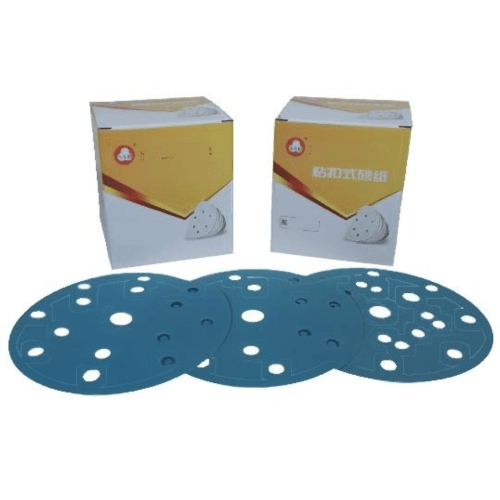
Professional contractors and woodworking enthusiasts understand that achieving exceptional surface finishes requires selecting the right sand paper for each specific application. Whether preparing surfaces for painting, smoothing rough lumber, or creating mirror-like finishes on furniture pieces, the quality and characteristics of sand paper directly impact project outcomes. Premium sand paper brands offer superior abrasive materials, consistent grit distribution, and enhanced durability that translates into more efficient material removal and longer tool life. Understanding the fundamental differences between various sand paper options enables professionals to make informed decisions that optimize both productivity and final surface quality.
Understanding Abrasive Materials and Grit Classifications
Aluminum Oxide Abrasive Properties
Aluminum oxide represents the most widely used abrasive material in sand paper manufacturing due to its exceptional balance of cutting ability and longevity. This synthetic abrasive maintains sharp cutting edges throughout extended use periods, making it particularly effective for hardwood sanding applications. Professional woodworkers favor aluminum oxide sand paper for its consistent performance across various wood species and its ability to resist loading when working with resinous materials. The crystalline structure of aluminum oxide fractures in controlled patterns, continuously exposing fresh cutting surfaces that maintain optimal material removal rates.
Quality aluminum oxide sand paper exhibits uniform particle distribution across the backing material, ensuring consistent surface textures and preventing scratching patterns that can compromise finish quality. Premium manufacturers employ advanced coating techniques that securely bond abrasive particles to flexible backings, reducing premature grain release and extending operational life. These characteristics make aluminum oxide sand paper suitable for both rough material removal and fine finishing operations, providing versatility that appeals to professional contractors managing diverse project requirements.
Silicon Carbide Performance Characteristics
Silicon carbide abrasives deliver superior cutting performance when working with harder materials including metals, ceramics, and certain engineered composites. This synthetic abrasive maintains extremely sharp cutting edges that penetrate surface materials efficiently, making silicon carbide sand paper particularly effective for automotive refinishing and metalworking applications. The friable nature of silicon carbide particles ensures continuous exposure of fresh cutting surfaces, maintaining consistent removal rates throughout extended sanding sessions.
Professional users appreciate silicon carbide sand paper for its ability to generate smooth surface finishes with minimal scratching, particularly important when preparing surfaces for high-gloss paint systems or decorative coatings. The superior hardness of silicon carbide abrasives enables effective material removal from challenging substrates while maintaining dimensional stability of the underlying surface. These performance characteristics make silicon carbide sand paper an essential component in professional finishing operations requiring exceptional surface quality standards.
Backing Materials and Flexibility Considerations
Paper Backing Applications
Paper-backed sand paper remains the preferred choice for many hand-sanding applications due to its flexibility and cost-effectiveness. Quality paper backings provide sufficient support for abrasive particles while conforming to irregular surface contours, making them ideal for detail work and curved surfaces. Professional finishing contractors rely on paper-backed sand paper for applications requiring precise control over material removal rates, particularly when working around delicate trim elements or intricate woodwork details.
Advanced paper backing formulations incorporate moisture-resistant treatments that prevent delamination during extended use periods or when working in humid environments. Premium manufacturers utilize multi-layer paper constructions that balance flexibility with dimensional stability, ensuring consistent performance across varying environmental conditions. The lightweight nature of paper-backed sand paper reduces operator fatigue during extended hand-sanding operations while providing sufficient durability for most professional applications.
Cloth Backing Durability
Cloth-backed sand paper offers superior durability and tear resistance compared to paper alternatives, making it particularly suitable for power tool applications and heavy-duty material removal operations. The fabric construction provides enhanced flexibility while maintaining structural integrity under the mechanical stresses generated by orbital sanders, belt sanders, and other power equipment. Professional contractors choose cloth-backed sand paper for applications requiring aggressive material removal or when working with abrasive materials that would quickly destroy paper backings.
Quality cloth backings exhibit excellent conformability that enables effective sanding of complex surface geometries without compromising abrasive performance. The enhanced tear resistance of cloth-backed sand paper prevents premature failure during edge sanding operations or when working around fasteners and surface irregularities. These durability characteristics translate into improved productivity and reduced material costs for professional operations managing high-volume sanding requirements.
Grit Selection for Specific Applications
Coarse Grit Material Removal
Coarse grit sand paper ranging from 40 to 80 grit provides aggressive material removal capabilities essential for initial surface preparation and dimensioning operations. Professional contractors utilize coarse grit sand paper for removing paint layers, smoothing rough lumber surfaces, and eliminating major surface defects that would interfere with subsequent finishing operations. The large abrasive particles characteristic of coarse grit sand paper create deep scratches that effectively remove substantial material quantities while establishing uniform surface textures.
Selecting appropriate coarse grit sand paper requires consideration of material hardness, desired removal rates, and subsequent finishing requirements. Softer materials typically require finer coarse grits to prevent excessive material removal, while harder substrates benefit from aggressive 40-grit formulations that penetrate surface layers effectively. Professional users must balance material removal efficiency with the additional fine sanding required to eliminate coarse grit scratches before applying finish coatings.
Fine Grit Finishing Applications
Fine grit sand paper ranging from 220 to 400 grit enables achievement of smooth surface finishes suitable for high-quality paint systems and clear coating applications. Professional finishers rely on sand paper in these grit ranges to eliminate scratches from previous sanding operations while creating uniform surface textures that promote optimal coating adhesion. The smaller abrasive particles characteristic of fine grit sand paper remove minimal material while generating consistent surface preparation essential for premium finish quality.
Advanced fine grit sand paper formulations incorporate specialized stearate coatings that prevent loading when sanding resinous materials or certain paint systems. These anti-loading treatments maintain abrasive effectiveness throughout extended use periods, reducing material consumption and improving productivity. Professional contractors appreciate the consistent performance of quality fine grit sand paper that enables achievement of factory-quality surface finishes in field applications.
Power Tool Compatibility and Performance
Orbital Sander Applications
Orbital sanders require sand paper formulations specifically engineered to withstand the circular motion patterns and moderate pressure applications characteristic of these popular power tools. Quality sand paper designed for orbital sander use incorporates enhanced adhesive systems that prevent premature separation during extended operation cycles. Professional contractors depend on orbital-compatible sand paper that maintains consistent abrasive distribution throughout the tool's operational envelope, ensuring uniform material removal across entire surface areas.
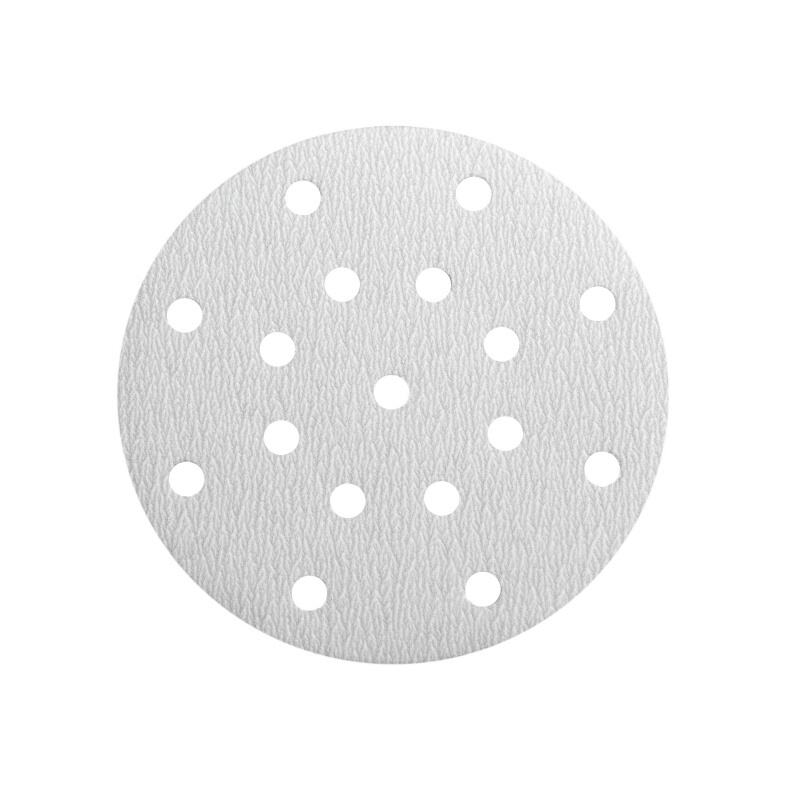
Premium orbital sander sand paper features perforated designs that align with tool dust collection systems, dramatically improving visibility and reducing airborne particulates during sanding operations. The hole patterns in quality sand paper facilitate efficient debris removal while maintaining abrasive contact with work surfaces, optimizing material removal rates and surface finish quality. These design considerations make specialized orbital sand paper essential for professional operations prioritizing both productivity and worker safety.
Belt Sander Requirements
Belt sanders generate significantly higher mechanical stresses than orbital units, requiring sand paper constructions capable of withstanding continuous flexing and high surface speeds without premature failure. Professional-grade belt sand paper utilizes reinforced backing materials and advanced adhesive systems that maintain dimensional stability under extreme operating conditions. The seamless joint construction characteristic of quality belt sand paper prevents tracking irregularities that could compromise surface finish quality or damage expensive sanding equipment.
Selecting appropriate belt sand paper involves matching abrasive characteristics to specific material removal requirements while considering belt sander power ratings and operational speeds. Premium belt sand paper maintains consistent tracking behavior throughout extended use periods, reducing downtime associated with belt adjustments and equipment maintenance. Professional contractors recognize that investing in quality belt sand paper translates into improved productivity and reduced operational costs across high-volume sanding applications.
Surface Preparation Best Practices
Progressive Grit Sequencing
Achieving professional-quality surface finishes requires systematic progression through appropriate sand paper grit sequences that gradually refine surface textures while eliminating scratches from previous operations. Professional contractors follow established grit progression protocols that typically advance from coarse to fine grits in manageable increments, ensuring complete removal of previous scratches before advancing to finer abrasives. This methodical approach prevents the common mistake of attempting to eliminate coarse scratches with excessively fine sand paper, which results in extended sanding times and inconsistent surface quality.
Effective grit sequencing protocols consider material characteristics, desired finish quality, and coating system requirements when determining appropriate progression intervals. Most professional applications benefit from grit progressions that advance in approximate doubling increments, such as 80-120-180-220, ensuring adequate scratch removal while maintaining reasonable productivity levels. Experienced finishers understand that proper grit sequencing with quality sand paper produces superior results compared to attempting shortcuts that compromise surface preparation quality.
Dust Management and Safety
Professional sanding operations require comprehensive dust management systems that protect worker health while maintaining optimal visibility and surface preparation quality. Quality sand paper with integrated dust extraction capabilities significantly reduces airborne particulate levels when combined with appropriate vacuum systems and personal protective equipment. Advanced sand paper designs incorporate strategically placed perforations that facilitate efficient debris removal without compromising abrasive contact with work surfaces.
Effective dust management protocols extend beyond equipment selection to include workspace organization, material handling procedures, and regular equipment maintenance schedules. Professional contractors recognize that investing in quality sand paper with superior dust extraction performance reduces cleanup time while creating healthier work environments. These considerations become particularly important when working with materials that generate hazardous dusts or when operating in occupied buildings where dust control directly impacts project acceptance.
FAQ
What grit sand paper should be used for initial wood surface preparation
Initial wood surface preparation typically begins with 80-grit sand paper for most hardwood applications, though rougher surfaces may require 60-grit or coarser options. The goal is removing mill marks, minor defects, and establishing uniform surface texture without creating unnecessarily deep scratches. Professional contractors assess surface conditions carefully before selecting initial grits, recognizing that starting too coarse creates additional work during subsequent fine sanding operations.
How can you prevent sand paper from loading during use
Preventing sand paper loading requires selecting appropriate abrasive types for specific materials, maintaining proper sanding pressure, and utilizing stearate-coated formulations when working with resinous materials. Professional techniques include frequent sand paper cleaning with specialized rubber blocks, adjusting sanding speeds to prevent heat buildup, and ensuring adequate dust extraction during operations. Quality sand paper with anti-loading treatments significantly reduces clogging issues while maintaining consistent cutting performance.
What backing material works best for hand sanding applications
Paper backing provides optimal flexibility and control for most hand sanding applications, particularly when working on detailed surfaces or curved geometries. Professional hand sanders prefer paper-backed sand paper for its ability to conform to surface irregularities while providing sufficient support for effective abrasive action. Cloth backing becomes necessary for applications requiring enhanced durability or when sanding edges and corners where paper backing might tear under stress.
When should silicon carbide sand paper be chosen over aluminum oxide
Silicon carbide sand paper offers superior performance when sanding hard materials including metals, composites, and certain engineered surfaces where aluminum oxide proves less effective. Professional applications requiring extremely smooth surface finishes also benefit from silicon carbide's superior cutting characteristics and reduced scratching tendencies. The choice between abrasive types should consider material hardness, desired finish quality, and cost factors, with silicon carbide typically reserved for specialized applications requiring its unique performance characteristics.