 EN
EN


Learning how to use a polishing head effectively can transform your DIY metalworking and woodworking projects from amateur attempts to professional-quality finishes. Whether you're working on automotive parts, household fixtures, or craft projects, mastering the proper techniques for polishing head application will save you time, money, and frustration. This comprehensive guide will walk you through everything you need to know about selecting, installing, and operating polishing heads to achieve consistent, high-quality results in your workshop.
Understanding Polishing Head Fundamentals
Essential Components and Design Features
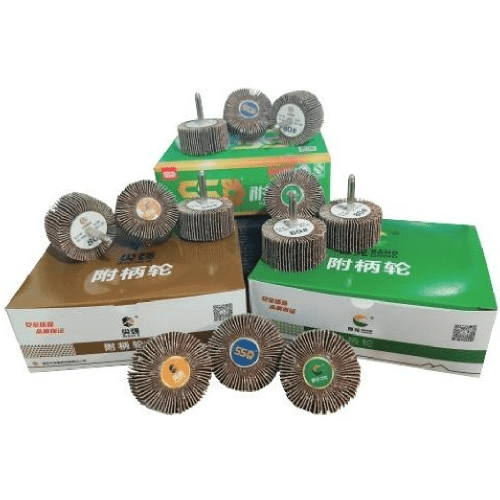
A polishing head consists of several critical components that work together to create smooth, refined surfaces on various materials. The central arbor or shaft provides the mounting point for your rotary tool, while the abrasive material determines the level of finish you can achieve. Most polishing heads feature layered abrasive flaps arranged radially around the central hub, allowing for consistent contact with curved and irregular surfaces. The density and arrangement of these flaps directly impact the aggressiveness and finish quality of your polishing operation.
Quality polishing heads incorporate balanced weight distribution to minimize vibration during high-speed operation. The backing material, typically made from reinforced fabric or resin-bonded layers, provides structural integrity while maintaining flexibility. Understanding these design elements helps you select the appropriate polishing head for specific applications and ensures optimal performance throughout your project. Premium polishing heads often feature advanced bonding agents that resist heat buildup and extend operational life significantly.
Material Compatibility and Selection Criteria
Different polishing head configurations excel at working with specific material types, making proper selection crucial for project success. Aluminum oxide abrasives work exceptionally well on ferrous metals, providing excellent cutting action and long service life. Silicon carbide variants prove more effective on non-ferrous metals, glass, and stone applications where precise material removal is required. Ceramic abrasives offer superior performance on hardened steels and heat-sensitive alloys, maintaining sharp cutting edges even under demanding conditions.
Grit selection plays an equally important role in determining final surface quality and material removal rates. Coarse grits ranging from 40 to 80 mesh excel at initial shaping and heavy stock removal, while medium grits between 100 and 180 mesh provide balanced cutting and finishing capabilities. Fine grits from 220 to 400 mesh deliver smooth, refined surfaces suitable for pre-polish preparation. Understanding these relationships enables you to create efficient multi-stage polishing sequences that minimize tool wear and maximize surface quality.
Proper Installation and Setup Procedures
Tool Compatibility and Mounting Techniques
Successful polishing head installation begins with verifying compatibility between your rotary tool and the selected polishing attachment. Standard shaft diameters typically range from 1/8 inch to 1/2 inch, with most DIY applications utilizing 1/4 inch shafts for optimal balance between holding power and maneuverability. Always check your tool's maximum RPM rating against the polishing head's specifications to prevent dangerous overspeeding situations that could result in attachment failure or injury.
Proper mounting requires clean, undamaged chuck jaws and adequate tightening torque to prevent slippage during operation. Insert the polishing head shaft fully into the chuck, ensuring even contact across all gripping surfaces. Hand-tighten the chuck initially, then use the appropriate chuck key to achieve secure mounting without overtightening, which could damage the shaft or chuck mechanism. Test the installation by briefly running the tool at low speed, checking for wobble or vibration that might indicate improper mounting or damaged components.
Safety Considerations and Workspace Preparation
Creating a safe working environment requires attention to several critical factors that protect both you and your project materials. Adequate ventilation prevents accumulation of potentially harmful dust particles generated during the polishing process. Position exhaust fans or dust collection systems to capture airborne debris at the source, maintaining clear visibility and reducing respiratory exposure risks. Ensure adequate lighting from multiple angles to clearly see your work progress and identify potential safety hazards.
Personal protective equipment forms the foundation of safe polishing head operation. Safety glasses with side shields protect against flying debris, while dust masks or respirators prevent inhalation of fine particles. Secure loose clothing and tie back long hair to prevent entanglement with rotating equipment. Establish a stable work surface that securely holds your workpiece, reducing the risk of sudden movement that could cause tool binding or loss of control during polishing operations.
Operating Techniques for Professional Results
Speed Control and Pressure Management
Achieving professional-quality results with a polishing head requires mastering the relationship between rotational speed and applied pressure. Most materials respond best to moderate speeds that allow the abrasive to cut efficiently without generating excessive heat. Start with approximately 50-70% of your tool's maximum speed rating, adjusting based on material response and desired finish quality. Higher speeds increase material removal rates but can cause overheating, while lower speeds may result in inefficient cutting and premature tool wear.
Applied pressure should remain light and consistent throughout the polishing process, allowing the abrasive to perform the cutting action rather than forcing contact. Excessive pressure creates heat buildup that can damage both the workpiece and the polishing head, while insufficient pressure results in minimal material removal and poor surface quality. Practice maintaining steady, gentle contact that allows the tool to work at its designed efficiency, adjusting pressure based on the material's response and the desired finish level.
Movement Patterns and Surface Coverage
Systematic movement patterns ensure uniform surface treatment and prevent the creation of visible tool marks or uneven finishes. Linear passes work well for flat surfaces, maintaining consistent overlap between adjacent paths to avoid missed areas or transition lines. Circular or orbital patterns prove effective for curved surfaces and detail work, providing smooth blending between different surface areas. Avoid dwelling in one location too long, as this can create depressions or heat-affected zones that compromise the final finish quality.
Progressive grit sequences maximize efficiency and surface quality when working through multiple polishing stages. Begin with the coarsest grit necessary to remove existing scratches or imperfections, then progress through successively finer grits until reaching the desired finish level. Each grit stage should completely remove the scratches from the previous stage before advancing, ensuring a consistent foundation for the next level of refinement. This methodical approach produces superior results while minimizing total processing time and consumable costs.
Advanced Applications and Specialized Techniques
Contour Following and Detail Work
Complex shapes and intricate details require specialized polishing head techniques that adapt to varying surface geometries and accessibility constraints. Flexible polishing heads excel at following contours automatically, conforming to surface irregularities while maintaining consistent abrasive contact. These tools prove particularly valuable when working on carved surfaces, molded parts, or assemblies with multiple geometric features that would challenge rigid polishing methods.
Small-diameter polishing heads provide access to tight spaces and fine details that larger tools cannot reach effectively. These miniature versions maintain the same operational principles as full-size units while offering enhanced maneuverability in confined areas. When working in restricted spaces, reduce operating speeds to maintain control and prevent tool binding, while using lighter pressure to accommodate the reduced contact area and increased tool deflection potential.
Multi-Material Projects and Transition Management
Projects involving multiple material types require careful planning to achieve consistent results across different surface properties. Each material may respond differently to the same polishing head configuration, necessitating adjustments in speed, pressure, and technique. Create test samples when possible to establish optimal parameters for each material before beginning the actual project work. Document successful settings for future reference, building a personal database of proven techniques for various material combinations.
Transition areas between different materials present unique challenges that require specialized approaches. Feather the polishing action across material boundaries to create smooth visual transitions, adjusting technique based on the relative hardness and surface characteristics of adjacent materials. Consider using intermediate grit stages specifically for transition zones, ensuring that both materials achieve compatible surface textures that blend seamlessly when viewed from normal distances.
Maintenance and Troubleshooting
Extending Tool Life and Performance
Proper maintenance practices significantly extend polishing head service life while maintaining consistent performance throughout the tool's operational period. Regular cleaning removes accumulated debris that can interfere with cutting action and cause premature wear. Use compressed air or soft brushes to remove metal particles and dust from between abrasive flaps, working systematically around the entire circumference to ensure thorough cleaning. Avoid using solvents or aggressive cleaning methods that might damage the bonding agents or backing materials.
Storage conditions directly impact polishing head longevity and performance characteristics. Store tools in dry environments to prevent moisture-related deterioration of abrasive materials and bonding agents. Protect cutting surfaces from physical damage by using appropriate containers or packaging that prevents contact with hard objects. Rotate stock regularly when maintaining inventory, ensuring that older tools receive priority use before adhesives or abrasives begin to deteriorate from age-related factors.
Common Issues and Resolution Strategies
Vibration during operation typically indicates improper mounting, damaged tool components, or unbalanced polishing heads. Check mounting tightness and shaft condition first, ensuring secure attachment without visible damage or wear. Inspect the polishing head for missing or damaged flaps that could create imbalance, replacing the tool if significant damage is present. Verify that operating speeds fall within manufacturer specifications, as excessive speeds can amplify minor imbalances into noticeable vibration problems.
Poor surface quality often results from incorrect technique rather than tool problems, making systematic evaluation essential for effective troubleshooting. Examine your movement patterns for consistency and overlap adequacy, ensuring complete surface coverage without excessive dwelling in any single area. Review your grit progression sequence, confirming that each stage completely removes marks from the previous level before advancing. Consider environmental factors such as contamination or inadequate dust removal that might interfere with the polishing process and compromise final results.
FAQ
What speed should I use when operating a polishing head for the first time
Start with approximately 50-60% of your rotary tool's maximum speed rating when using a polishing head for initial projects. This moderate speed allows you to observe how the abrasive interacts with your material while maintaining good control and minimizing heat generation. You can adjust the speed upward as you gain experience and confidence, but always stay within the manufacturer's recommended RPM range for both your tool and the polishing attachment to ensure safe operation.
How do I know when to replace my polishing head
Replace your polishing head when the abrasive flaps become significantly worn, frayed, or begin falling out during use. Other indicators include reduced cutting efficiency requiring excessive pressure to achieve results, visible damage to the backing material or central hub, and irregular wear patterns that create vibration during operation. A well-maintained polishing head should provide consistent performance throughout its service life, so noticeable degradation in surface quality or increased effort requirements typically signal replacement time.
Can I use the same polishing head on different materials
While many polishing heads can work on multiple materials, optimal results come from matching the abrasive type and grit to your specific application. Aluminum oxide works well on steel and iron, while silicon carbide performs better on aluminum, brass, and non-metallic materials. Using the wrong abrasive type may produce poor results or cause premature tool wear. Consider maintaining separate polishing heads for different material categories to ensure consistent quality and maximize tool life across various projects.
What safety precautions are most important when using polishing heads
Essential safety measures include wearing safety glasses with side protection, using appropriate respiratory protection against dust, and ensuring secure workpiece clamping to prevent sudden movement. Always inspect the polishing head for damage before use, verify proper mounting tightness, and operate within recommended speed limits. Maintain good ventilation in your work area, keep loose clothing and jewelry away from rotating parts, and never attempt to clean or adjust the polishing head while the tool is running.