 EN
EN


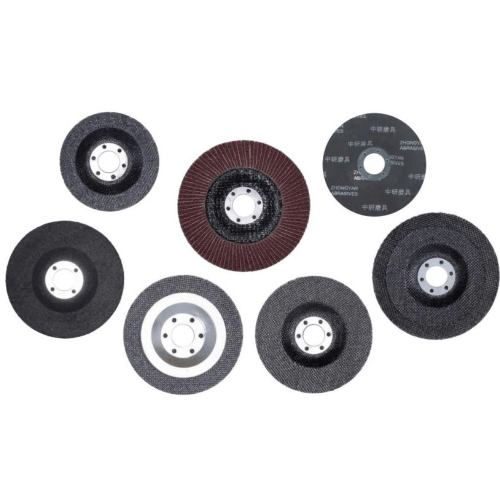
Wood finishing projects require the right tools and materials to achieve professional results, and selecting appropriate sand paper remains one of the most critical decisions in the process. Whether you're working on furniture restoration, cabinetry, or custom woodworking pieces, understanding different sand paper types and their specific applications can dramatically improve your project outcomes. The quality of your finished surface depends heavily on proper abrasive selection, grit progression, and application techniques that maximize efficiency while minimizing material waste.
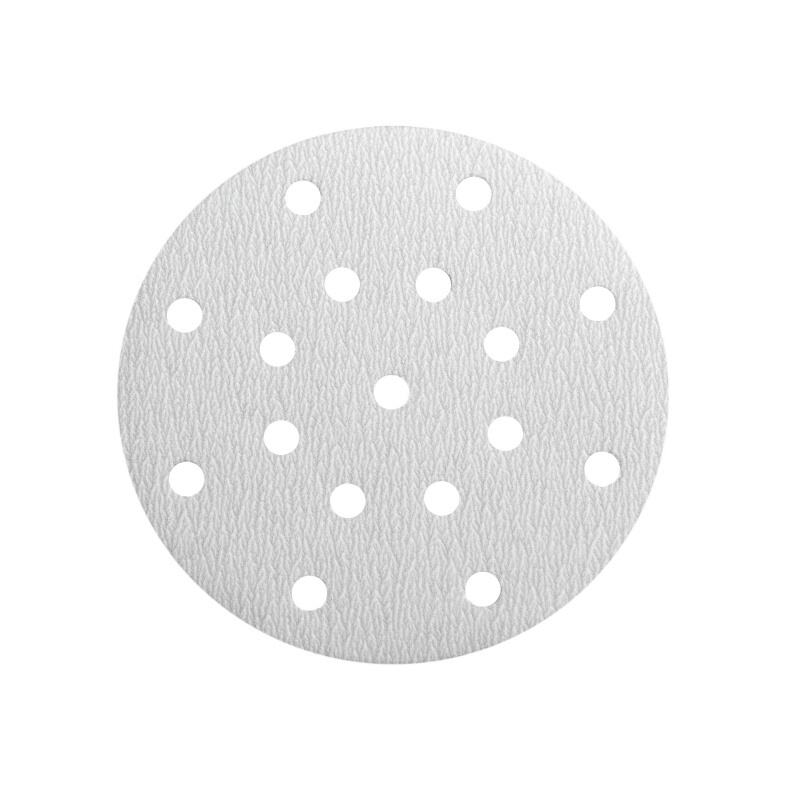
Professional woodworkers understand that different wood species, project requirements, and finishing goals demand specific sand paper characteristics. From aggressive material removal during initial preparation to fine polishing before stain application, each stage requires carefully selected abrasives that deliver consistent performance without creating unwanted scratches or surface imperfections. Modern manufacturing has produced specialized sand paper formulations that address common challenges like loading, tearing, and uneven wear patterns that historically plagued woodworking professionals.
Aluminum Oxide Sand Paper Applications
General Purpose Wood Sanding
Aluminum oxide sand paper represents the most versatile option for general woodworking applications, offering excellent durability and consistent cutting performance across various wood species. This synthetic abrasive material maintains sharp cutting edges longer than natural alternatives, making it particularly effective for both hand sanding and power tool applications. The uniform grain structure ensures predictable scratch patterns that prepare surfaces properly for subsequent finishing steps.
Professional contractors frequently choose aluminum oxide sand paper for production work because it delivers reliable results while maintaining cost-effectiveness across extended usage periods. The material's resistance to loading makes it suitable for both softwoods and hardwoods, though proper dust collection remains important for optimal performance. Different backing materials and adhesive systems allow customization for specific applications, from flexible cloth backing for curved surfaces to stiff paper backing for flat panel work.
Power Tool Compatibility
Power sanders generate heat and vibration that can quickly degrade inferior abrasives, making aluminum oxide sand paper an excellent choice for orbital, belt, and drum sanding applications. The material's thermal stability prevents premature breakdown under the demanding conditions created by high-speed sanding operations. Proper grit selection becomes crucial when using power tools, as aggressive grits can remove material too quickly while fine grits may clog under heavy pressure.
Belt sanders particularly benefit from aluminum oxide formulations designed for continuous operation, featuring reinforced backing materials that resist tearing and premature edge wear. Orbital sanders work effectively with aluminum oxide sand paper that incorporates anti-static treatments, reducing dust buildup that can interfere with vacuum collection systems. The consistent performance characteristics make project planning more predictable, allowing accurate time and material estimates for professional installations.
Silicon Carbide Sand Paper Benefits
Hard Material Processing
Silicon carbide sand paper excels when working with extremely hard materials, exotic woods, and composite materials that quickly dull conventional abrasives. This synthetic material maintains aggressive cutting action even on dense grain structures found in species like ebony, rosewood, and lignum vitae that challenge standard aluminum oxide products. The superior hardness characteristics make silicon carbide particularly effective for initial surface preparation on reclaimed lumber that may contain embedded debris or surface contaminants.
Boat builders and marine woodworkers rely on silicon carbide sand paper for processing teak, mahogany, and other weather-resistant species that require aggressive material removal followed by fine finishing. The abrasive's ability to maintain sharp cutting edges through demanding applications reduces the frequency of sand paper changes, improving productivity while delivering consistent surface quality. Proper pressure control becomes essential when using silicon carbide, as excessive force can create deep scratches that require extensive additional sanding to remove.
Wet Sanding Applications
Waterproof silicon carbide sand paper enables wet sanding techniques that eliminate dust generation while providing superior surface finishes on both wood and applied coatings. The lubrication effect of water prevents loading while maintaining consistent cutting action, making this approach ideal for fine finishing work where dust contamination could compromise results. Wet sanding also reduces heat generation that can damage delicate wood fibers or soften applied finishes.
Fine furniture restoration projects often incorporate wet sanding with silicon carbide sand paper during final finishing stages, particularly when working with lacquer, shellac, or other traditional coatings. The technique allows precise control over surface texture while eliminating the airborne particles that can create contamination issues in finishing environments. Proper water management and workspace preparation become critical factors for successful wet sanding operations.
Garnet Sand Paper Traditional Applications
Hand Sanding Excellence
Natural garnet sand paper provides exceptional performance for hand sanding applications where control and surface quality take precedence over material removal rates. The mineral's fracturing characteristics create fresh cutting edges during use, maintaining effectiveness throughout extended sanding sessions while producing superior surface finishes. Traditional woodworkers appreciate garnet's ability to follow wood grain patterns naturally, reducing the risk of cross-grain scratches that can telegraph through applied finishes.
Furniture makers working with premium hardwoods often specify garnet sand paper for final surface preparation because it generates minimal heat while maintaining consistent cutting action. The natural material's compatibility with wood fibers helps prevent the burnishing effects that can interfere with stain penetration and adhesion. Hand sanding with garnet requires patience but delivers results that justify the additional time investment for high-quality projects.
Specialty Wood Species
Certain wood species respond particularly well to garnet sand paper because the natural abrasive's characteristics complement specific grain structures and density variations. Softwoods like pine and cedar benefit from garnet's gentle cutting action that avoids tearing delicate spring wood fibers, while figured hardwoods like curly maple showcase enhanced grain patterns when prepared with natural abrasives. The self-sharpening properties ensure consistent performance even when working through alternating hard and soft grain sections.
Restoration specialists working with antique furniture often choose garnet sand paper to maintain historical authenticity while achieving appropriate surface preparation. The natural material's compatibility with traditional finishing materials and techniques helps preserve the character of period pieces while meeting modern quality standards. Proper technique development requires understanding how garnet behaves differently from synthetic alternatives, particularly regarding pressure application and stroke patterns.
Ceramic Sand Paper Advanced Performance
Heavy-Duty Material Removal
Ceramic sand paper represents the cutting edge of abrasive technology, delivering unprecedented material removal rates while maintaining exceptional durability under demanding conditions. The engineered grain structure provides consistent cutting action that outperforms traditional materials by significant margins, making it ideal for production environments where efficiency directly impacts profitability. Initial surface preparation on rough lumber or paint removal applications showcase ceramic's superior performance characteristics.
Professional flooring contractors rely on ceramic sand paper for aggressive sanding operations that remove old finishes, level uneven surfaces, and prepare substrates for new installations. The extended service life reduces material costs while improving productivity through fewer abrasive changes during extended operations. Heat generation requires careful management, as ceramic's aggressive cutting action can quickly damage wood surfaces if proper technique isn't maintained.
Production Environment Advantages
Manufacturing facilities benefit from ceramic sand paper's predictable performance characteristics that enable accurate production planning and cost estimation. The consistent material removal rates allow precise scheduling of finishing operations while reducing waste from premature abrasive failure. Quality control becomes more manageable when using abrasives that deliver repeatable results across different operators and equipment configurations.
Belt sanding operations particularly benefit from ceramic formulations designed for continuous high-speed operation without the performance degradation common with conventional materials. The reduced frequency of belt changes improves equipment utilization while maintaining consistent surface quality throughout production runs. Investment in premium ceramic sand paper typically pays dividends through improved productivity and reduced labor costs in high-volume applications.
Zirconia Alumina Sand Paper Industrial Applications
High-Pressure Sanding Operations
Zirconia alumina sand paper excels in demanding applications where high pressure and extended service life are critical requirements, making it particularly valuable for production woodworking and industrial finishing operations. The self-sharpening characteristics ensure consistent performance throughout the abrasive's service life, while the tough grain structure resists fracturing under heavy loads. This combination makes zirconia alumina ideal for aggressive stock removal on hardwoods and engineered materials.
Heavy timber processing benefits significantly from zirconia alumina sand paper's ability to maintain cutting efficiency even when working with dense, resinous species that quickly clog conventional abrasives. The material's resistance to loading extends service intervals while maintaining surface quality standards required for structural applications. Proper selection of backing materials and adhesive systems becomes crucial for maximizing the performance advantages offered by this advanced abrasive technology.
Cost-Effective Solutions
Despite higher initial costs, zirconia alumina sand paper often provides superior value in applications requiring extended service life and consistent performance. The reduced frequency of abrasive changes decreases labor costs while improving equipment utilization rates in production environments. Accurate cost analysis must consider total project expenses rather than just material costs to appreciate the economic advantages of premium abrasives.
Large-scale operations benefit from bulk purchasing programs that make premium sand paper more cost-effective while ensuring consistent supply availability. The predictable performance characteristics enable accurate job costing and scheduling, while reduced downtime for abrasive changes improves overall productivity. Training programs help operators maximize the performance potential of advanced abrasive technologies through proper application techniques.
Specialty Sand Paper for Unique Applications
Flexible Cloth Backing Options
Cloth-backed sand paper provides superior flexibility and conformability for sanding curved surfaces, moldings, and complex profiles that challenge rigid abrasives. The fabric backing resists tearing while maintaining consistent contact with irregular surfaces, ensuring uniform material removal and surface preparation. Hand carvers and sculptors particularly appreciate cloth-backed sand paper for detail work where precision and control are paramount.
Restoration projects involving turned components, carved details, and complex molding profiles require flexible sand paper that can follow intricate contours without losing effectiveness. The cloth backing's durability allows extended use even when working around sharp edges and tight curves that would quickly damage paper-backed alternatives. Proper grit selection becomes crucial for maintaining detail definition while achieving smooth surface transitions.
Mesh Sand Paper Innovation
Mesh sand paper represents a significant advancement in abrasive technology, featuring open construction that virtually eliminates loading while providing excellent dust extraction capabilities. The unique structure allows air flow through the abrasive surface, making it ideal for power sanding applications where dust collection is critical. The mesh design also provides superior flexibility compared to traditional backing materials.
Orbital sanders equipped with vacuum systems work exceptionally well with mesh sand paper because the open structure maximizes dust extraction efficiency while maintaining consistent cutting performance. The elimination of loading extends service life significantly, particularly when working with resinous woods or materials that typically clog conventional abrasives. The initial investment in mesh technology pays dividends through improved productivity and reduced material costs.
Grit Selection Strategies
Progressive Sanding Sequences
Successful wood finishing projects rely on systematic grit progression that removes material efficiently while preparing surfaces properly for subsequent steps. Starting with aggressive grits for initial preparation and progressing through increasingly fine abrasives ensures optimal surface quality without over-sanding or creating unnecessary work. Understanding when to skip grits and when to maintain tight progressions requires experience and knowledge of specific project requirements.
Professional finishers typically follow established sequences that balance efficiency with quality, such as 80-120-150-220 for general furniture work or 100-150-220-320 for premium applications. The specific sequence depends on initial surface condition, wood species characteristics, and final finish requirements. Skipping grits or using inappropriate progressions can create problems that require extensive corrective work, making proper planning essential for project success.
Species-Specific Considerations
Different wood species require customized sand paper selection and grit progression strategies based on their unique characteristics and behavior during processing. Dense hardwoods like maple and oak can withstand aggressive initial grits, while softer species like pine and poplar require gentler approaches to avoid fiber damage. Understanding species-specific requirements helps optimize both efficiency and surface quality outcomes.
Figured woods present unique challenges that require specialized sand paper techniques to enhance rather than obscure natural patterns. Careful grit selection and sanding direction can highlight figure while maintaining smooth surface preparation for finishing. Grain direction, density variations, and natural defects all influence sand paper choice and application techniques for optimal results.
FAQ
What grit sand paper should I start with for rough lumber preparation
For rough lumber preparation, start with 60-80 grit sand paper depending on the initial surface condition and wood species. Softer woods like pine can often begin with 80 grit, while harder species or heavily damaged surfaces may require 60 grit for efficient material removal. Always follow with appropriate grit progression to achieve the desired final surface quality.
How do I prevent sand paper from clogging during use
Prevent sand paper clogging by using appropriate pressure, maintaining steady movement, and selecting abrasives designed for your specific application. Vacuum dust collection systems significantly reduce loading, while cleaning sticks can restore performance of partially loaded abrasives. Consider mesh sand paper for applications prone to loading, as the open structure resists clogging better than traditional formats.
Can I use the same sand paper for different wood species
While many sand paper types work across multiple wood species, optimal results often require species-specific selection based on density, grain structure, and resin content. Aluminum oxide provides versatility for general applications, while specialized abrasives like garnet work better for specific species or applications. Consider wood characteristics and project requirements when selecting sand paper for best results.
How do I know when to replace worn sand paper
Replace sand paper when cutting efficiency decreases noticeably, loading becomes excessive, or surface quality deteriorates despite proper technique. Visual inspection should reveal worn grain, backing damage, or excessive contamination that indicates replacement time. Maintaining sharp, clean abrasives ensures consistent results while preventing damage to work surfaces from ineffective sand paper.