 EN
EN


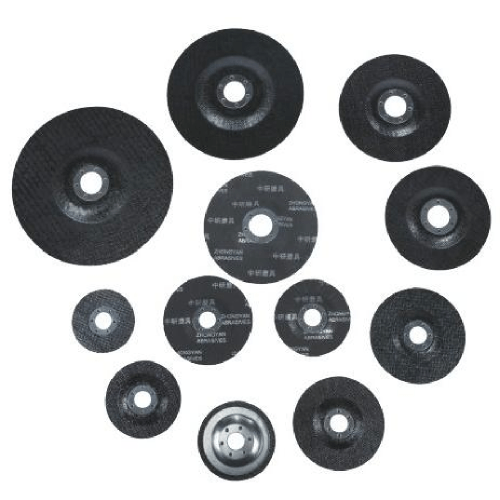
When it comes to achieving smooth, professional finishes on wood, metal, or other materials, choosing between sand paper and sanding blocks can significantly impact your project's outcome. Both tools serve essential roles in surface preparation and finishing, yet each offers distinct advantages depending on your specific application needs. Understanding the fundamental differences between these abrasive solutions will help you make informed decisions that enhance your craftsmanship and efficiency. Whether you're a professional contractor, woodworker, or DIY enthusiast, the choice between loose sand paper sheets and structured sanding blocks affects everything from surface quality to project timeline.
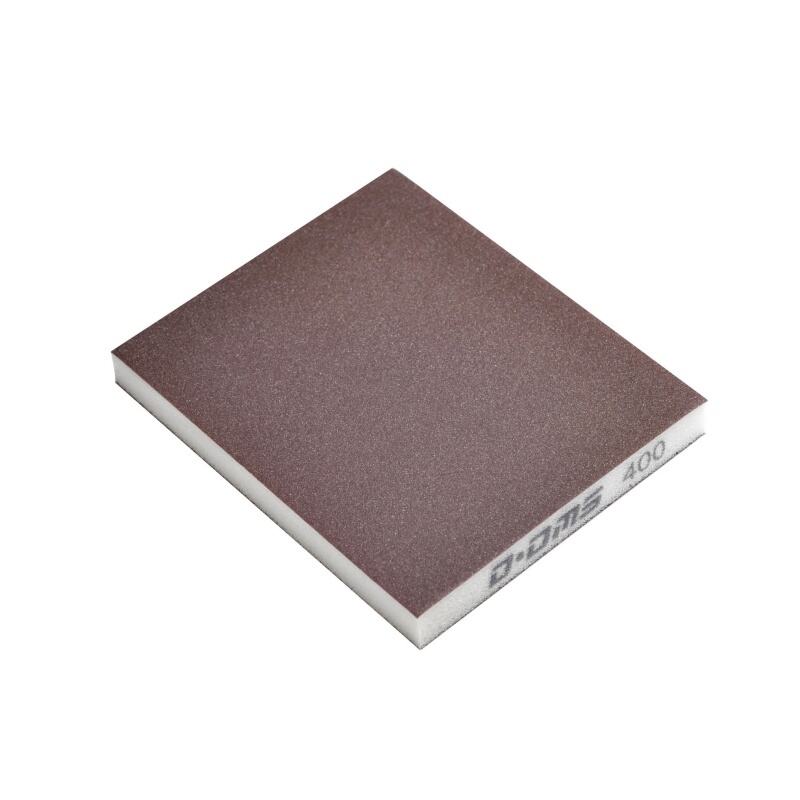
Understanding Sand Paper Fundamentals
Composition and Manufacturing Process
Sand paper consists of abrasive particles bonded to a flexible backing material, typically paper, cloth, or synthetic substrates. The manufacturing process involves coating the backing with adhesive resin, then applying precisely sized abrasive grains in controlled patterns. This creates the cutting surface that removes material through friction and mechanical action. Modern sand paper production employs advanced techniques to ensure consistent grain distribution and optimal bonding strength between the abrasive particles and backing material.
The abrasive materials used in sand paper include aluminum oxide, silicon carbide, garnet, and ceramic compounds, each offering specific performance characteristics. Aluminum oxide provides excellent durability for general-purpose applications, while silicon carbide excels on harder materials like metals and ceramics. The backing material's flexibility allows sand paper to conform to irregular surfaces and contours, making it invaluable for detailed finishing work where rigid tools cannot reach.
Grit Classifications and Applications
Sand paper grit ratings follow standardized systems that indicate particle size and cutting aggressiveness. Coarse grits ranging from 40 to 80 remove material quickly and handle heavy stock removal tasks, while medium grits between 100 and 180 provide balanced cutting action for general smoothing operations. Fine grits from 220 to 400 create smooth surfaces ready for finishing, and ultra-fine grits above 400 deliver polished surfaces for specialized applications.
Professional applications require matching sand paper grit to specific material removal requirements and surface quality goals. Coarse sand paper efficiently strips old finishes and levels uneven surfaces, while progressive grit sequences ensure optimal surface preparation without creating unnecessary scratches. Understanding grit progression principles helps achieve consistent results across different project phases, from initial material removal through final surface refinement.
Sanding Block Advantages and Design Features
Structural Support Benefits
Sanding blocks provide rigid backing that prevents sand paper from flexing excessively during use, resulting in more consistent surface contact and uniform material removal. This structural support proves especially valuable when working on flat surfaces where maintaining consistent pressure distribution is critical for achieving professional results. The block's firm foundation eliminates the hand fatigue associated with maintaining steady pressure over extended sanding sessions.
Professional-grade sanding blocks incorporate ergonomic designs that distribute hand pressure evenly across the sand paper surface, reducing operator fatigue and improving control precision. The block's weight and balance contribute to smoother, more controlled sanding motions that produce consistent scratch patterns and surface textures. This controlled approach becomes particularly important when preparing surfaces for high-quality finishes where uniformity is paramount.
Versatility and Attachment Systems
Modern sanding blocks feature sophisticated attachment systems that secure sand paper sheets firmly while allowing quick changes between different grits. These systems may include mechanical clamps, adhesive backing, or hook-and-loop fasteners that maintain proper sand paper tension throughout the sanding process. Proper attachment prevents sand paper shifting or bunching that could create uneven wear patterns or surface imperfections.
The versatility of sanding blocks extends beyond simple flat surface applications, with specialized designs accommodating curved surfaces, corners, and detailed work. Some blocks incorporate flexible backing materials that allow controlled conformity to surface contours while maintaining the structural support benefits. This adaptability makes sanding blocks valuable tools for complex projects requiring both precision and efficiency across varied surface geometries.
Performance Comparison in Real-World Applications
Surface Quality and Consistency
When evaluating surface quality outcomes, sanding blocks typically produce more uniform scratch patterns and consistent material removal rates compared to hand-held sand paper alone. The block's rigid backing prevents localized pressure concentrations that can create gouges or uneven spots in the work surface. This consistency becomes particularly important when preparing surfaces for staining or clear coating applications where surface imperfections become highly visible.
Hand-held sand paper offers superior conformability to irregular surfaces and tight spaces where sanding blocks cannot fit effectively. The flexibility advantage allows sand paper to follow surface contours closely, ensuring complete material removal in recessed areas and complex geometries. However, this flexibility can also lead to inconsistent pressure application and uneven wear patterns that may require additional finishing steps to achieve uniform surface quality.
Efficiency and Time Considerations
Productivity measurements consistently show that sanding blocks enable faster material removal rates on flat and gently curved surfaces due to their ability to maintain optimal cutting geometry and pressure distribution. The block's design allows operators to apply consistent downward pressure while maintaining steady forward motion, maximizing the sand paper's cutting efficiency throughout its useful life.
Time efficiency calculations must also consider setup and changeover requirements between different grits and applications. Sand paper sheets offer minimal setup time and immediate availability for detail work, while sanding blocks may require brief attachment procedures that slightly extend overall project timelines. However, the improved consistency and reduced rework requirements often offset these minor time investments in professional applications where quality standards are paramount.
Material Compatibility and Specialized Applications
Wood Working Applications
Wood surfaces respond differently to sand paper and sanding block treatments depending on grain direction, hardness, and intended finish requirements. Sanding blocks excel at preparing flat wooden surfaces for staining or painting by ensuring uniform scratch patterns that promote even finish absorption. The controlled pressure distribution prevents sand paper from digging into softer wood areas while maintaining consistent contact across harder sections.
Hand-held sand paper provides essential flexibility for sanding carved details, moldings, and curved wooden elements where rigid blocks cannot follow surface contours effectively. The conformability allows sand paper to maintain contact with complex geometries while preserving detail sharpness and avoiding unwanted material removal in delicate areas. Professional woodworkers often combine both approaches, using blocks for primary surface preparation and hand-held sand paper for detail finishing.
Metal Finishing Operations
Metal surfaces require aggressive material removal capabilities and consistent scratch patterns for optimal coating adhesion and corrosion resistance. Sand paper designed for metal applications typically features silicon carbide or aluminum oxide abrasives that maintain cutting efficiency against harder materials. The backing material must withstand the heat generated during metal sanding without degrading or releasing abrasive particles prematurely.
Sanding blocks provide essential support when preparing metal surfaces for welding, painting, or protective coating applications. The rigid backing ensures uniform pressure distribution that prevents localized heating and maintains consistent material removal rates across the entire surface area. This controlled approach proves particularly important when removing rust, scale, or old coatings where thorough preparation directly impacts long-term performance and durability.
Cost Analysis and Selection Criteria
Initial Investment Considerations
The cost comparison between sand paper and sanding blocks involves multiple factors beyond initial purchase prices, including consumable replacement rates, labor efficiency, and quality outcomes. Sand paper sheets represent lower upfront costs but require more frequent replacement due to faster wear rates when used without proper backing support. Sanding blocks involve higher initial investment but extend sand paper life through improved support and pressure distribution.
Professional applications often justify sanding block investments through improved productivity and consistent results that reduce rework requirements and material waste. The block's ability to maximize sand paper utilization and maintain cutting efficiency throughout the abrasive's life cycle contributes to lower per-project costs despite higher initial equipment expenses. This economic advantage becomes more pronounced in high-volume applications where small efficiency improvements generate significant cost savings.
Long-term Value Proposition
Long-term value calculations must consider durability, versatility, and performance consistency factors that affect overall project costs and quality outcomes. High-quality sanding blocks provide years of reliable service with minimal maintenance requirements, while sand paper represents an ongoing consumable expense that scales directly with project volume and material requirements.
The value proposition also includes intangible benefits such as reduced operator fatigue, improved surface quality consistency, and enhanced professional reputation through superior finish quality. These factors contribute to long-term business success and customer satisfaction that extends beyond simple cost-per-unit calculations. Professional contractors often view sanding blocks as essential tools that enable premium pricing for superior quality work.
FAQ
Which sand paper grit should I start with for rough wood surfaces
Start with 80-grit sand paper for rough wood surfaces that require significant material removal or have deep scratches and imperfections. This coarse grit efficiently levels uneven areas and removes old finishes without excessive effort. Progress through 120-grit and 180-grit sand paper for subsequent smoothing steps, finishing with 220-grit for surfaces that will receive stain or clear coating applications.
Can I use the same sand paper type on both wood and metal
While some sand paper types work on both materials, optimal results require matching abrasive composition to specific materials. Aluminum oxide sand paper performs well on wood and softer metals, while silicon carbide sand paper excels on harder metals, ceramics, and composites. Using material-specific sand paper ensures maximum cutting efficiency and prevents premature wear that reduces cost-effectiveness and surface quality.
How do I know when to replace worn sand paper
Replace sand paper when cutting efficiency decreases noticeably, typically indicated by increased pressure requirements or longer sanding times to achieve the same material removal. Visual indicators include worn or missing abrasive particles, torn or frayed backing material, and clogged abrasive surfaces that cannot be cleaned effectively. Fresh sand paper should cut consistently with moderate pressure and produce uniform scratch patterns.
What safety precautions should I follow when using sand paper or sanding blocks
Always wear appropriate dust protection including respirators or dust masks rated for the materials being sanded, especially when working with treated lumber, metal, or composite materials. Use eye protection to prevent particle injury and ensure adequate ventilation or dust collection to minimize airborne contaminants. Inspect sand paper and sanding blocks before use to identify potential hazards such as loose backing material or damaged attachment systems that could cause injury during operation.