 EN
EN


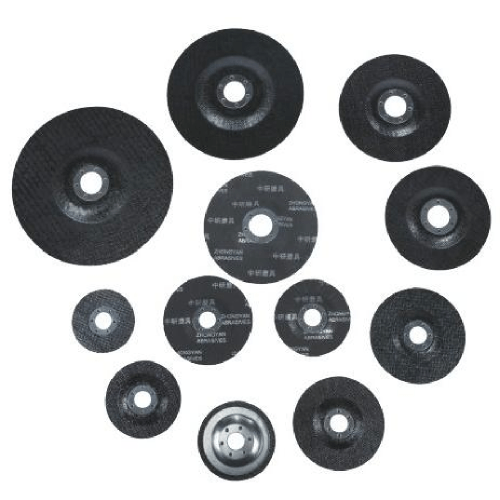
Selecting the right polishing head material is crucial for achieving optimal surface finishing results across various industrial applications. The choice of material directly impacts the quality, efficiency, and cost-effectiveness of your polishing operations. Different materials offer unique advantages depending on the substrate being polished, the desired finish quality, and the specific operational requirements. Understanding these material properties enables manufacturers and craftsmen to make informed decisions that enhance productivity while maintaining consistent results.
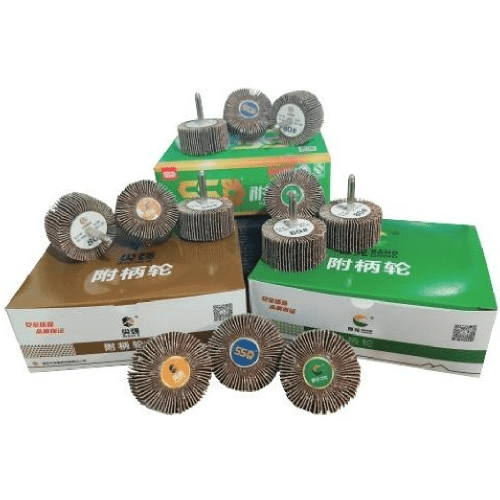
Abrasive Material Categories for Polishing Applications
Natural Abrasive Materials
Natural abrasive materials have been used in polishing operations for centuries, offering reliable performance for specific applications. Emery, composed primarily of corundum and magnetite, provides moderate cutting action suitable for general-purpose polishing tasks. Diamond, the hardest natural material, excels in precision polishing applications where superior surface quality is paramount. Natural materials typically exhibit consistent grain structure and predictable wear patterns, making them ideal for applications requiring controlled material removal rates.
Garnet represents another valuable natural option, particularly effective for softer metals and delicate surfaces. Its angular grain structure creates uniform scratch patterns while minimizing surface damage. Natural abrasives generally offer longer operational life compared to some synthetic alternatives, though their availability and cost can vary significantly based on quality grades and sourcing locations.
Synthetic Abrasive Compositions
Synthetic abrasive materials offer enhanced consistency and performance characteristics tailored to specific polishing requirements. Silicon carbide provides exceptional hardness and sharp cutting edges, making it ideal for hard materials including ceramics and carbides. Aluminum oxide delivers versatility across numerous applications, offering balanced cutting action and durability for both ferrous and non-ferrous materials.
Advanced ceramic abrasives incorporate engineered grain structures designed to maintain sharpness throughout their operational life. These materials feature self-sharpening properties that ensure consistent performance and reduced heat generation during polishing operations. Synthetic options typically provide better quality control and availability compared to natural alternatives, supporting consistent production requirements.
Performance Characteristics by Material Type
Cutting Efficiency and Material Removal Rates
The cutting efficiency of a polishing head depends heavily on the abrasive material's hardness, grain structure, and bonding system. Harder materials like diamond and silicon carbide achieve higher material removal rates but require careful application to prevent surface damage. Softer abrasives such as aluminum oxide provide more controlled cutting action, reducing the risk of over-polishing or surface irregularities.
Grain size distribution significantly affects cutting performance, with finer grains producing smoother finishes while coarser grains enable faster stock removal. The relationship between grain size and cutting efficiency must be optimized based on the specific polishing objectives and material properties of the workpiece being processed.
Heat Generation and Thermal Management
Different polishing head materials generate varying amounts of heat during operation, affecting both the workpiece and the abrasive itself. Materials with high thermal conductivity, such as diamond, dissipate heat more effectively, reducing the risk of thermal damage to sensitive substrates. Conversely, materials with poor heat dissipation properties may require modified operating parameters or enhanced cooling systems.
The bonding system also influences thermal characteristics, with resin bonds typically offering better heat resistance compared to vitrified bonds in high-speed applications. Understanding these thermal properties enables operators to optimize polishing parameters while maintaining surface integrity and extending polishing head life.
Application-Specific Material Selection
Metalworking Applications
Metalworking applications require careful consideration of both the base metal properties and the desired surface finish. Stainless steel polishing typically benefits from aluminum oxide or silicon carbide abrasives, which provide consistent results without contamination concerns. Aluminum and soft alloys respond well to silicon carbide polishing head materials that offer controlled cutting action and minimal work hardening.
Tool steel and hardened materials often require diamond or CBN (cubic boron nitride) abrasives to achieve effective material removal while maintaining dimensional accuracy. The selection process must consider factors such as material hardness, thermal sensitivity, and surface finish requirements to ensure optimal results.
Woodworking and Composite Materials
Woodworking applications present unique challenges due to the fibrous nature of wood and the varying density across grain structures. Aluminum oxide polishing head options typically provide excellent results for hardwood finishing, offering controlled cutting action that minimizes grain raising and surface tearing. Silicon carbide materials work effectively for softwood applications and composite materials containing abrasive fillers.
Composite materials require specialized abrasive selection based on the matrix material and reinforcement type. Glass-fiber composites often benefit from silicon carbide abrasives that can effectively cut through both the resin matrix and glass reinforcement without causing delamination or fiber pullout.
Bonding Systems and Their Impact on Performance
Resin Bond Characteristics
Resin bonding systems offer flexibility and shock resistance, making them suitable for portable applications and irregular surface contours. These bonds typically provide cooler cutting action due to their organic composition and ability to absorb vibrations during operation. Resin-bonded polishing head designs accommodate varying contact pressures while maintaining consistent abrasive exposure.
The self-dressing nature of resin bonds ensures continuous exposure of fresh abrasive particles, maintaining cutting efficiency throughout the operational life. However, resin bonds may have limitations in high-temperature applications or when exposed to certain chemical environments that could affect bond integrity.
Vitrified and Metal Bond Systems
Vitrified bonding systems provide superior dimensional stability and heat resistance compared to resin alternatives. These ceramic bonds maintain their structure under high operating temperatures while offering precise control over abrasive grain retention and release. Vitrified bonds excel in applications requiring consistent dimensional accuracy and extended operational life.
Metal bonding systems, typically bronze or nickel-based, offer exceptional strength and durability for demanding applications. These bonds provide excellent abrasive retention while allowing for precise grain exposure control through dressing operations. Metal-bonded polishing head configurations are particularly effective for diamond and CBN abrasives in precision grinding and polishing applications.
Optimization Strategies for Polishing Head Selection
Surface Finish Requirements
The desired surface finish quality directly influences polishing head material selection and operational parameters. Mirror finishes typically require progressive sequences starting with coarser abrasives for stock removal, followed by increasingly finer grits for surface refinement. Diamond abrasives excel in achieving ultra-fine finishes due to their uniform particle size and consistent cutting characteristics.
Textured or satin finishes may benefit from specific abrasive types that create controlled scratch patterns. Silicon carbide materials often provide the angular grain structure necessary for consistent texturing applications, while aluminum oxide offers more uniform scratch patterns for satin finishes.
Production Volume and Cost Considerations
Production volume requirements significantly impact the cost-effectiveness of different polishing head materials. High-volume operations may justify the initial investment in premium abrasives like diamond or CBN due to their extended operational life and consistent performance. Lower-volume applications might benefit from more economical options such as aluminum oxide or silicon carbide that provide acceptable results at reduced initial costs.
The total cost of ownership includes factors beyond initial purchase price, including operational life, productivity rates, and secondary finishing requirements. Premium polishing head materials often reduce overall processing costs through improved efficiency and reduced finishing steps, despite higher upfront investments.
FAQ
What factors determine the best polishing head material for my application?
The optimal polishing head material depends on several key factors including the workpiece material hardness, desired surface finish quality, production volume requirements, and operational constraints such as speed and pressure. Harder workpieces typically require diamond or CBN abrasives, while softer materials work well with aluminum oxide or silicon carbide. Consider the total cost of ownership, including operational life and productivity rates, rather than just initial purchase price.
How does grain size affect polishing head performance?
Grain size directly impacts both material removal rates and surface finish quality. Coarser grains (lower grit numbers) remove material more quickly but produce rougher finishes, while finer grains (higher grit numbers) create smoother surfaces with slower material removal. Most polishing operations require sequential progression from coarser to finer grains to achieve optimal results efficiently. The grain size selection should align with your specific finishing objectives and time constraints.
Can I use the same polishing head material for different workpiece materials?
While some polishing head materials offer versatility across multiple workpiece types, optimal results typically require material-specific selection. Aluminum oxide provides good general-purpose performance for many metals, but specialized applications benefit from targeted abrasive choices. Consider factors such as contamination risks, cutting efficiency, and surface quality requirements when determining whether a single abrasive type can meet all your application needs.
How do I know when to replace a polishing head?
Replace polishing heads when they no longer maintain consistent surface quality, require excessive pressure to achieve results, or show visible wear such as glazing or loading. Performance indicators include increased processing time, poor surface finish quality, excessive heat generation, or dimensional changes in the abrasive wheel. Regular inspection and performance monitoring help determine optimal replacement timing to maintain productivity and quality standards.