 EN
EN


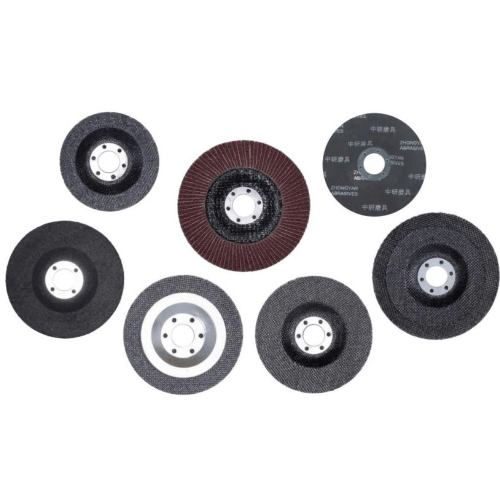
Maintaining your polishing head properly is crucial for achieving consistent, high-quality surface finishes in industrial applications. Whether you work in automotive manufacturing, metalworking, or precision engineering, understanding the fundamentals of polishing head care can significantly extend equipment lifespan and improve operational efficiency. Regular maintenance not only prevents costly downtime but also ensures optimal performance across various materials and finishing requirements. Professional technicians recognize that a well-maintained polishing head delivers superior results while reducing overall operational costs.

Understanding Polishing Head Components and Materials
Core Construction Elements
The internal structure of a polishing head consists of several critical components that work together to deliver effective surface finishing. The spindle assembly forms the foundation, providing rotational stability and precision alignment during operation. High-quality bearings within the spindle ensure smooth rotation while minimizing vibration that could compromise finish quality. The mounting system securely holds abrasive media while allowing for quick changeovers between different grit sizes or material types.
Modern polishing head designs incorporate advanced materials such as hardened steel shafts and precision-engineered housings. These materials resist wear from continuous operation while maintaining dimensional accuracy over extended periods. The balance between durability and performance makes material selection crucial for long-term reliability. Understanding these components helps operators identify potential wear points and schedule appropriate maintenance intervals.
Abrasive Media Integration
The interface between the polishing head and abrasive media represents a critical connection point requiring careful attention. Proper mounting ensures uniform pressure distribution across the workpiece surface while preventing premature media failure. Different media types, including flap wheels, sanding discs, and specialized compounds, each require specific mounting configurations and operating parameters. The compatibility between head design and media selection directly impacts both performance and maintenance requirements.
Quality control measures during media installation prevent imbalance conditions that could damage both the polishing head and workpiece. Operators must verify proper seating and secure attachment before initiating any polishing operation. Regular inspection of mounting interfaces reveals early signs of wear or damage that could escalate into more serious maintenance issues.
Daily Maintenance Procedures and Best Practices
Pre-Operation Inspection Protocol
Beginning each work session with a comprehensive inspection routine prevents many common polishing head problems from developing. Visual examination of all external components reveals obvious signs of damage, wear, or contamination that require immediate attention. Operators should check for proper media mounting, secure fasteners, and clean surfaces before energizing equipment. This systematic approach identifies potential issues before they impact production quality or equipment reliability.
The inspection process includes verifying proper lubrication levels, checking electrical connections, and ensuring adequate ventilation around motor housings. Temperature monitoring during initial startup helps detect bearing problems or excessive friction within moving components. Documentation of inspection findings creates valuable maintenance history that supports predictive maintenance strategies and warranty claims.
Cleaning and Debris Removal
Accumulation of metal particles, dust, and residual compounds can significantly impact polishing head performance and longevity. Compressed air cleaning removes loose debris from external surfaces while avoiding damage to sensitive components. Specialized cleaning solvents dissolve stubborn residues without affecting seals, gaskets, or protective coatings. The cleaning frequency depends on operating conditions, material types, and environmental factors specific to each application.
Proper cleaning technique involves systematic removal of all foreign material from critical areas including bearing housings, mounting surfaces, and ventilation ports. Operators must avoid introducing moisture or cleaning agents into sealed components that could cause internal corrosion or lubrication contamination. Established cleaning procedures ensure consistent results while protecting expensive equipment investments.
Lubrication Requirements and Schedules
Bearing Maintenance Fundamentals
Proper lubrication forms the cornerstone of effective polishing head maintenance, directly affecting operational smoothness and component lifespan. High-speed applications generate significant heat and friction, making lubricant selection and application timing critical success factors. Quality bearing grease provides protection against wear while maintaining viscosity across operating temperature ranges. The lubricant also serves as a barrier against contamination that could accelerate component degradation.
Lubrication intervals vary based on operating hours, environmental conditions, and manufacturer specifications. Over-lubrication can be as damaging as insufficient lubrication, causing increased operating temperatures and seal failure. Operators must follow established schedules while monitoring bearing temperature and noise levels that indicate lubrication effectiveness. Proper technique ensures even distribution without introducing contaminants during the application process.
Seal Integrity and Protection
Sealing systems protect internal components from environmental contamination while retaining essential lubricants within bearing assemblies. Regular inspection identifies early signs of seal wear, cracking, or displacement that could compromise protection effectiveness. Replacement of worn seals prevents costly internal damage and maintains optimal operating conditions. Quality seals resist chemical attack from cleaning agents and process materials commonly encountered in industrial environments.
Seal maintenance includes periodic cleaning of sealing surfaces and verification of proper installation alignment. Damaged or improperly installed seals allow contaminant entry and lubricant loss, leading to premature bearing failure. Environmental factors such as temperature extremes, chemical exposure, and abrasive particles influence seal selection and replacement frequency.
Troubleshooting Common Performance Issues
Vibration Analysis and Correction
Excessive vibration during polishing operations indicates potential problems requiring immediate investigation and correction. Imbalanced media mounting represents the most common cause of vibration issues, often resulting from improper installation or uneven wear patterns. Systematic checking of mounting hardware, media condition, and spindle alignment helps identify root causes. Corrective actions may include media replacement, hardware tightening, or complete polishing head rebuilding depending on severity.
Advanced diagnostic techniques include vibration monitoring equipment that provides detailed frequency analysis of mechanical problems. Bearing wear, shaft misalignment, and structural damage each produce characteristic vibration signatures that trained technicians can interpret. Early detection through vibration analysis prevents catastrophic failures while minimizing repair costs and production disruption.
Temperature Management Strategies
Operating temperature control protects sensitive components while maintaining consistent performance across extended production runs. Excessive heat generation indicates potential problems including insufficient lubrication, bearing wear, or inadequate ventilation. Thermal monitoring equipment provides real-time feedback that allows operators to adjust parameters before damage occurs. Proper airflow management around motor housings and bearing assemblies dissipates heat effectively.
Temperature-related problems often develop gradually, making regular monitoring essential for early detection. Baseline temperature measurements during normal operation provide reference points for comparison during troubleshooting activities. Environmental factors such as ambient temperature, humidity, and airflow patterns influence heat dissipation requirements and cooling system effectiveness.
Replacement Parts and Service Intervals
Critical Component Lifecycle Management
Understanding expected service life for major polishing head components enables proactive replacement planning that prevents unexpected failures. Bearings typically require replacement based on operating hours, load conditions, and maintenance quality rather than calendar time. Seals and gaskets have shorter service intervals due to environmental exposure and material degradation over time. Maintaining accurate service records supports warranty claims while optimizing replacement timing.
Component quality significantly impacts service intervals and overall reliability. Original equipment manufacturer parts ensure proper fit and performance characteristics that generic alternatives may not provide. The initial cost difference often proves economical when considering extended service life and reduced maintenance frequency. Quality components also maintain tighter tolerances that preserve equipment accuracy and finish quality.
Inventory Management and Procurement
Strategic parts inventory management prevents production delays while avoiding excessive carrying costs for slow-moving items. Critical wear components require immediate availability to minimize downtime during scheduled maintenance windows. Establishing relationships with reliable suppliers ensures rapid procurement of specialty items that may have extended lead times. Bulk purchasing agreements for high-volume consumables provide cost savings while guaranteeing supply continuity.
Proper storage conditions protect replacement parts from environmental damage that could compromise performance or shorten service life. Climate-controlled storage prevents corrosion of metal components while protecting seals and gaskets from temperature-induced degradation. Inventory rotation ensures parts are used within recommended shelf life limits to maintain original performance specifications.
FAQ
How often should I perform complete polishing head maintenance?
Complete maintenance intervals depend on operating hours, environmental conditions, and application severity. Most industrial applications require comprehensive service every 500-1000 operating hours, including bearing inspection, lubrication renewal, and seal replacement. Heavy-duty operations or harsh environments may necessitate more frequent service intervals to maintain optimal performance. Establishing a maintenance schedule based on actual operating conditions rather than calendar time provides better results.
What are the signs that my polishing head needs immediate service?
Immediate service indicators include unusual noise levels, excessive vibration, elevated operating temperatures, and visible damage to external components. Decreased finish quality or inconsistent results across workpieces also suggest internal problems requiring professional attention. Any signs of lubricant leakage or contamination warrant immediate shutdown and inspection to prevent catastrophic damage.
Can I perform polishing head maintenance in-house or should I use professional services?
Basic maintenance tasks including cleaning, lubrication, and media replacement can typically be performed by trained in-house personnel with proper tools and procedures. Complex repairs involving bearing replacement, spindle rebuilding, or precision balancing require specialized equipment and expertise best provided by qualified service centers. The decision depends on available skills, equipment, and cost considerations for each specific situation.
What storage requirements should I follow for unused polishing heads?
Proper storage includes clean, dry conditions with temperature control to prevent condensation and corrosion. Apply light coating of rust preventive to exposed metal surfaces and rotate stored units periodically to prevent bearing damage from static loading. Remove all abrasive media and clean thoroughly before storage to eliminate potential contamination sources. Document storage dates and perform inspection before returning to service after extended storage periods.