 EN
EN


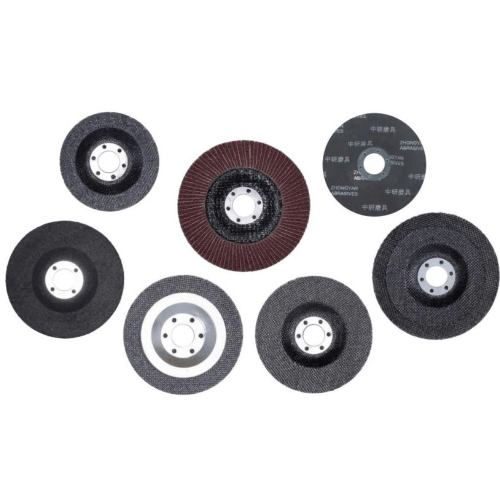
Professional surface finishing requires the right polishing head to achieve superior results across diverse materials and applications. Whether you're working with metal fabrication, woodworking, or automotive refinishing, selecting the appropriate polishing head can dramatically impact the quality of your finished product. Understanding the various types available and their specific applications will help you make informed decisions that enhance both efficiency and output quality in your professional operations.
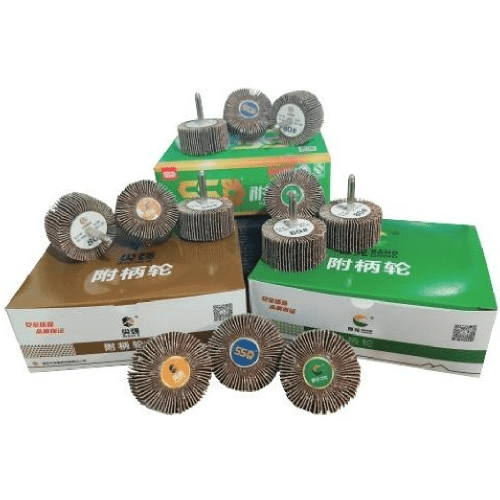
Essential Characteristics of Professional Polishing Heads
Material Composition and Durability
The foundation of any high-quality polishing head lies in its material composition. Premium abrasive materials such as aluminum oxide, silicon carbide, and ceramic grains provide exceptional cutting power and longevity. These materials maintain their effectiveness throughout extended use, ensuring consistent results across multiple projects. The backing material, typically cloth or paper, must withstand the rotational forces and heat generated during operation while maintaining flexibility for contour following.
Bonding agents play a crucial role in holding abrasive particles securely while allowing controlled wear patterns. Resin bonds offer excellent heat resistance and are ideal for heavy-duty applications, while shellac bonds provide cooler cutting action suitable for heat-sensitive materials. Understanding these material properties helps professionals select the most appropriate polishing head for their specific requirements.
Grit Selection and Surface Finish Quality
Grit size directly correlates with the final surface finish quality and material removal rate. Coarse grits ranging from 40 to 80 are excellent for aggressive material removal and initial shaping operations. Medium grits between 100 to 220 provide balanced cutting action suitable for general polishing applications. Fine grits from 240 to 400 deliver smooth finishes with minimal scratching, while ultra-fine grits above 400 create mirror-like surfaces on compatible materials.
Progressive grit sequences maximize efficiency by removing scratches from previous operations while gradually refining the surface. Professional applications often require multiple polishing head changes throughout a single project to achieve the desired finish quality. Proper grit selection reduces overall processing time and minimizes the need for additional finishing steps.
Flap Wheel Polishing Heads for Versatile Applications
Construction and Design Advantages
Flap wheel designs incorporate multiple abrasive segments arranged radially around a central hub, creating a flexible and conformable polishing head. This construction allows the wheel to follow complex contours and irregular surfaces while maintaining consistent contact pressure. The overlapping flaps provide continuous fresh abrasive exposure as outer layers wear away, ensuring sustained cutting performance throughout the wheel's lifespan.
The inherent flexibility of flap wheels reduces the risk of gouging or over-aggressive material removal, making them ideal for delicate finishing operations. Heat dissipation is enhanced through the spaces between flaps, preventing thermal damage to both the workpiece and the polishing head itself. This design feature is particularly beneficial when working with heat-sensitive materials or during extended polishing sessions.
Application Versatility and Performance
Flap wheel polishing heads excel in applications requiring both material removal and surface finishing in a single operation. They effectively remove weld beads, oxidation, and surface imperfections while simultaneously creating a smooth, uniform finish. The self-sharpening characteristic of flap wheels maintains consistent performance without requiring frequent wheel changes or dressing operations.
Industries such as metal fabrication, automotive restoration, and architectural metalwork rely heavily on flap wheel technology for their versatility and reliability. These polishing heads work effectively on stainless steel, aluminum, mild steel, and various alloys, adapting to different material hardnesses and surface conditions with minimal adjustment to operating parameters.
Cloth Wheel Polishing Heads for Fine Finishing
Buffing Compound Integration
Cloth wheel polishing heads utilize buffing compounds to achieve exceptional surface finishes on a wide range of materials. The cloth construction provides the necessary flexibility to conform to surface irregularities while the compound supplies the abrasive action. Different compound formulations target specific materials and finish requirements, from aggressive cutting compounds for initial polishing to rouge compounds for final mirror finishes.
The porous nature of cloth wheels allows for excellent compound retention and distribution across the polishing surface. Heat generation is minimized through the natural cooling properties of the cloth material, preventing compound breakdown and workpiece damage. Proper compound selection and application techniques are essential for maximizing the effectiveness of cloth wheel polishing operations.
Material Compatibility and Finish Quality
Cloth wheels demonstrate exceptional performance on soft metals such as aluminum, brass, and copper, where aggressive abrasives might cause surface damage. The gentle polishing action removes fine scratches and oxidation while building up a lustrous finish through progressive refinement. Multiple cloth wheel types, including loose and sewn constructions, offer different levels of firmness and conformability for specific applications.
Professional jewelers, instrument makers, and restoration specialists depend on cloth wheel polishing heads for achieving the high-quality finishes demanded by their industries. The ability to control surface texture through compound selection and wheel pressure makes cloth wheels indispensable for precision finishing operations where surface quality is paramount.
Wire Wheel Polishing Heads for Heavy-Duty Applications
Aggressive Material Removal Capabilities
Wire wheel polishing heads feature steel, stainless steel, or brass wire bristles arranged in various configurations to tackle the most challenging surface preparation tasks. These robust tools excel at removing rust, scale, paint, and heavy oxidation that would quickly clog traditional abrasive wheels. The individual wire segments act as miniature cutting tools, reaching into surface irregularities and providing thorough cleaning action.
Wire density and crimp patterns significantly impact performance characteristics. High-density wheels provide aggressive cutting action suitable for heavy rust removal, while lower density configurations offer more controlled material removal for delicate operations. Crimped wires increase flexibility and surface conformance, making them ideal for cleaning complex geometries and internal surfaces.
Safety Considerations and Best Practices
Wire wheel operations generate significant amounts of debris and require proper safety equipment including eye protection, respiratory protection, and protective clothing. Wire breakage is a normal occurrence during operation, making it essential to maintain safe distances and use appropriate guards. Regular inspection of wire wheels helps identify worn or damaged sections that could affect performance or safety.
Proper speed control is crucial when using wire wheel polishing heads, as excessive speeds can cause premature wire failure and dangerous projectile hazards. Matching wheel specifications to tool capabilities ensures optimal performance while maintaining safe operating conditions. Training and experience are essential for effectively utilizing wire wheels in professional applications.
Felt Wheel Polishing Heads for Precision Work
Ultra-Fine Finishing Capabilities
Felt wheel polishing heads represent the pinnacle of precision finishing technology, capable of producing mirror-like surfaces on the most demanding applications. The dense, uniform structure of compressed felt provides an ideal foundation for ultra-fine abrasive compounds, enabling controlled material removal at the microscopic level. These wheels excel in applications where surface roughness measurements must meet stringent specifications.
The natural properties of wool felt, including its ability to hold and distribute polishing compounds evenly, make it irreplaceable for certain finishing operations. Felt wheels maintain their shape under moderate pressures while providing enough flexibility to follow surface contours. The absence of individual abrasive particles reduces the risk of scratching, making felt wheels ideal for final polishing steps.
Specialized Applications and Industries
Optical component manufacturing, precision instrument production, and high-end metalworking rely extensively on felt wheel polishing technology. These industries require surface finishes that meet both functional and aesthetic requirements, often with tolerances measured in microinches. Felt wheels, combined with appropriate compounds, consistently deliver the required finish quality while maintaining dimensional accuracy.
Medical device manufacturing and aerospace applications also utilize felt wheel polishing heads for components where surface quality directly impacts performance and safety. The ability to achieve consistent, repeatable results makes felt wheels an essential tool in quality-controlled manufacturing environments where every component must meet exacting standards.
Rubber Wheel Polishing Heads for Consistent Results
Uniform Pressure Distribution
Rubber wheel polishing heads provide exceptional consistency in surface finishing applications through their ability to maintain uniform contact pressure across the entire polishing surface. The elastic properties of rubber allow these wheels to conform to surface variations while distributing applied forces evenly, preventing the formation of hot spots or uneven wear patterns that can compromise finish quality.
Embedded abrasive particles within the rubber matrix create a self-contained polishing system that eliminates the need for separate compounds or coolants. As the wheel wears, fresh abrasive particles are continuously exposed, maintaining consistent cutting action throughout the wheel's service life. This characteristic makes rubber wheels particularly valuable in automated production environments where consistency is paramount.
Automotive and Industrial Applications
Automotive finishing operations extensively utilize rubber wheel polishing heads for both production and repair applications. These wheels effectively remove paint defects, oxidation, and minor surface imperfections while creating uniform surface textures suitable for subsequent coating applications. The controlled abrasive action prevents over-cutting that could damage expensive automotive finishes.
Industrial applications including aerospace component finishing, electronic component preparation, and precision machinery manufacturing benefit from the predictable performance characteristics of rubber wheels. The ability to maintain consistent surface finishes across large production runs makes these polishing heads indispensable in quality-critical manufacturing processes.
Diamond Wheel Polishing Heads for Hard Materials
Superior Cutting Performance
Diamond wheel polishing heads represent the ultimate in abrasive technology, capable of effectively processing the hardest materials including carbides, ceramics, and hardened steels. The exceptional hardness and thermal conductivity of diamond particles enable these wheels to maintain sharp cutting edges while dissipating heat efficiently, preventing thermal damage to sensitive workpiece materials.
Electroplated and resin-bonded diamond wheels offer different performance characteristics suited to specific applications. Electroplated wheels provide aggressive cutting action with single-layer diamond exposure, while resin-bonded wheels offer controlled wear rates and longer service life through multiple diamond layers. Understanding these differences helps professionals select the most appropriate diamond wheel type for their requirements.
Precision Manufacturing Applications
Tool and die manufacturing, ceramic component production, and advanced materials processing rely heavily on diamond wheel polishing technology. These applications demand both dimensional accuracy and superior surface finishes that can only be achieved through diamond abrasive technology. The ability to maintain sharp cutting edges throughout extended use makes diamond wheels cost-effective despite their higher initial investment.
Laboratory and research applications also utilize diamond wheel polishing heads for sample preparation and materials testing. The consistent, repeatable results achievable with diamond wheels are essential for accurate materials characterization and quality control testing. Specialized diamond wheel formulations target specific materials and applications, ensuring optimal performance across diverse requirements.
Cork Wheel Polishing Heads for Delicate Materials
Gentle Polishing Action
Cork wheel polishing heads provide the gentlest possible polishing action, making them ideal for materials that require surface refinement without any risk of damage or scratching. The natural cellular structure of cork creates a soft, conformable polishing surface that adapts to complex geometries while maintaining consistent contact. Combined with appropriate polishing compounds, cork wheels achieve exceptional surface finishes on delicate materials.
The porous nature of cork allows for excellent compound retention and even distribution across the polishing surface. Heat generation is minimal due to the natural insulating properties of cork, preventing thermal damage to heat-sensitive materials. This characteristic makes cork wheels particularly valuable for polishing plastics, soft metals, and coated surfaces where temperature control is critical.
Specialized Industry Requirements
Optics manufacturing, electronics production, and precision instrument assembly utilize cork wheel polishing heads for components where even microscopic surface defects can impact performance. These industries require polishing solutions that enhance surface quality without introducing any additional damage or contamination. Cork wheels meet these demanding requirements while providing consistent, repeatable results.
Restoration and conservation work also benefits from cork wheel technology, particularly when working with historical artifacts or valuable items where preservation of original material is paramount. The gentle polishing action removes surface contaminants and oxidation while preserving the underlying substrate, making cork wheels an essential tool for professional restoration specialists.
Selection Criteria for Professional Applications
Material Compatibility Assessment
Selecting the appropriate polishing head begins with thorough analysis of the workpiece material properties including hardness, thermal sensitivity, and surface condition. Hard materials such as tool steels and carbides require aggressive abrasive systems like diamond or ceramic wheels, while soft materials like aluminum and brass perform better with cloth or cork wheel systems. Understanding material behavior under different polishing conditions prevents damage and ensures optimal results.
Chemical compatibility between the polishing head and workpiece material must also be considered, particularly in applications involving reactive metals or specialized alloys. Some abrasive materials can cause staining or chemical reactions that compromise surface quality or dimensional accuracy. Professional applications require careful matching of polishing head materials to avoid these compatibility issues.
Performance Requirements and Quality Standards
Surface finish specifications, material removal rates, and dimensional tolerances drive polishing head selection decisions in professional applications. High-volume production environments prioritize efficiency and consistency, favoring polishing heads that maintain performance characteristics throughout extended use. Precision applications emphasize surface quality and dimensional control, requiring polishing heads capable of achieving stringent finish requirements.
Economic considerations including initial cost, service life, and productivity impact the overall value proposition of different polishing head types. While premium options may cost more initially, their superior performance and longevity often provide better long-term value in demanding applications. Professional users must balance these factors to optimize their polishing operations while meeting quality and cost objectives.
FAQ
What factors determine the appropriate grit size for a polishing head?
Grit size selection depends on the material being polished, the existing surface condition, and the desired final finish. Coarse grits (40-80) remove material quickly and are used for heavy stock removal or initial surface preparation. Medium grits (100-220) provide balanced cutting action for general polishing, while fine grits (240-400) create smooth finishes. Ultra-fine grits (400+) produce mirror-like surfaces. The material hardness also influences grit selection, with harder materials typically requiring coarser grits to achieve effective cutting action.
How can I prevent overheating when using polishing heads?
Overheating prevention involves controlling several operational parameters including rotational speed, applied pressure, and dwell time. Use appropriate speeds for the specific polishing head type and material being processed. Apply moderate, consistent pressure rather than excessive force, which generates unnecessary heat. Maintain continuous movement to prevent heat buildup in localized areas. Consider using coolants or lubricants when appropriate, and ensure adequate ventilation around the work area to dissipate generated heat effectively.
What safety equipment is essential when using polishing heads?
Essential safety equipment includes properly fitted eye protection to guard against flying debris and particles. Respiratory protection prevents inhalation of dust and particles generated during polishing operations. Protective clothing including long sleeves and closed-toe shoes protects against contact with rotating equipment and debris. Hearing protection may be necessary in high-noise environments. Ensure guards and safety devices on equipment are properly installed and functional. Never wear loose clothing, jewelry, or gloves that could become entangled in rotating machinery.
How do I determine when a polishing head needs replacement?
Polishing head replacement indicators include reduced cutting efficiency requiring increased pressure or longer processing times to achieve desired results. Visible wear such as reduced diameter, exposed backing material, or uneven wear patterns signals the need for replacement. Surface finish quality degradation or the appearance of scratches or marks on polished surfaces indicates worn abrasive particles. Unusual vibration, noise, or heat generation during operation suggests structural damage requiring immediate replacement. Regular inspection and performance monitoring help identify replacement needs before they affect work quality or safety.
Table of Contents
- Essential Characteristics of Professional Polishing Heads
- Flap Wheel Polishing Heads for Versatile Applications
- Cloth Wheel Polishing Heads for Fine Finishing
- Wire Wheel Polishing Heads for Heavy-Duty Applications
- Felt Wheel Polishing Heads for Precision Work
- Rubber Wheel Polishing Heads for Consistent Results
- Diamond Wheel Polishing Heads for Hard Materials
- Cork Wheel Polishing Heads for Delicate Materials
- Selection Criteria for Professional Applications
- FAQ