 EN
EN



The debate between pneumatic tools and electric tools has been ongoing in industrial and professional settings for decades. Both power tool categories offer distinct advantages and limitations that make them suitable for different applications, environments, and operational requirements. Understanding the fundamental differences between pneumatic tools vs electric options is crucial for making informed decisions that impact productivity, cost-effectiveness, and workplace safety.
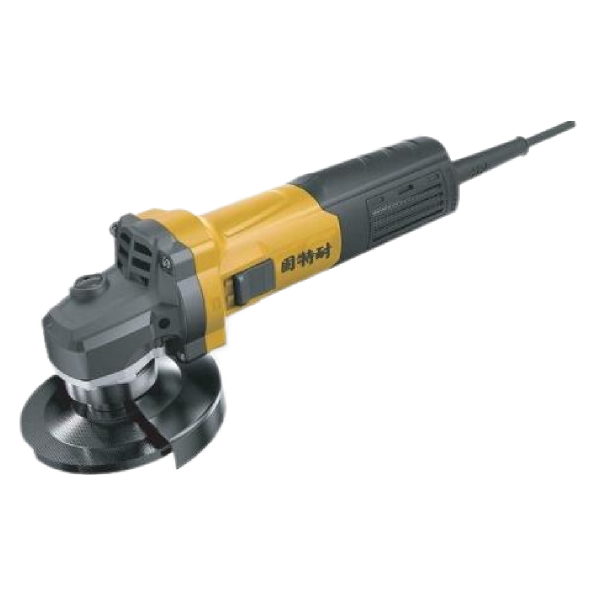
The choice between pneumatic and electric tools depends on multiple factors including power requirements, operational environment, maintenance considerations, and total cost of ownership. While electric tools have gained significant technological advances in recent years, pneumatic tools continue to dominate certain industrial applications due to their unique operational characteristics. Evaluating pneumatic tools vs electric alternatives requires a comprehensive understanding of how each technology performs across different scenarios and application demands.
Power Delivery and Performance Characteristics
Torque Output and Consistency
Pneumatic tools typically deliver superior torque output compared to their electric counterparts of similar size and weight. The compressed air system allows pneumatic tools to maintain consistent power delivery throughout extended operation periods without experiencing the power degradation common in battery-powered electric tools. This consistent performance makes pneumatic tools particularly valuable in heavy-duty manufacturing environments where sustained high torque is essential.
Electric tools, especially corded versions, provide reliable power delivery but may experience thermal limitations during extended use. Battery-powered electric tools face additional challenges with power consistency as battery charge depletes, affecting both torque output and operational speed. However, recent advances in lithium-ion battery technology and brushless motor designs have significantly improved the power-to-weight ratio of electric tools.
The power delivery characteristics of pneumatic tools vs electric tools also differ in response time and controllability. Pneumatic tools offer instant power availability and excellent speed control through air pressure regulation, while electric tools provide more precise control options through electronic speed regulation and torque limiting features.
Speed and Operational Range
Pneumatic tools excel in high-speed applications, with many pneumatic grinders and sanders capable of reaching speeds exceeding 25,000 RPM. The ability to achieve these high speeds while maintaining tool durability makes pneumatic options ideal for surface preparation, polishing, and finishing operations. The speed range adjustability through air pressure control provides operators with flexible performance tuning capabilities.
Electric tools typically operate within more limited speed ranges but offer superior low-speed torque characteristics. This makes electric tools particularly effective for applications requiring precise control at lower speeds, such as drilling operations or detailed assembly work. The electronic speed control systems in modern electric tools provide consistent speed maintenance under varying load conditions.
When comparing pneumatic tools vs electric tools for speed-critical applications, pneumatic options generally provide higher maximum speeds, while electric tools offer better speed stability and control precision. The choice depends on whether the application prioritizes maximum speed capability or precise speed control and consistency.
Infrastructure and Setup Requirements
Compressed Air System Needs
Pneumatic tools require a comprehensive compressed air infrastructure including compressors, air tanks, distribution piping, and filtration systems. The initial investment in compressed air infrastructure can be substantial, particularly for facilities starting from scratch. However, once established, a properly designed compressed air system can support multiple pneumatic tools simultaneously with relatively low incremental costs per tool.
The compressed air system must be sized appropriately to handle the combined air consumption of all connected pneumatic tools while maintaining adequate pressure levels. Air quality considerations including moisture removal, oil filtration, and contamination control are critical for pneumatic tool longevity and performance. Regular maintenance of the compressed air system is essential to ensure optimal tool performance and prevent premature wear.
Evaluating pneumatic tools vs electric alternatives must include the total cost of compressed air infrastructure, including ongoing energy costs for air compression and system maintenance requirements. Facilities with existing compressed air systems may find pneumatic tools more cost-effective, while those without existing infrastructure may favor electric alternatives.
Electrical Infrastructure and Power Management
Electric tools require adequate electrical infrastructure including appropriate voltage supply, circuit protection, and grounding systems. Corded electric tools need accessible electrical outlets and may require extension cords for mobile applications, which can present safety considerations and power loss issues. The electrical infrastructure requirements are generally less complex than compressed air systems but must be properly designed to handle tool power demands.
Battery-powered electric tools eliminate the need for direct electrical connections during operation but introduce charging infrastructure requirements. Multiple battery chargers, battery storage systems, and power management protocols become necessary for maintaining continuous operations. The charging time and battery life considerations affect operational planning and may require multiple battery sets for uninterrupted work.
The infrastructure comparison between pneumatic tools vs electric tools often favors electric options in smaller operations or mobile applications, while larger industrial facilities may benefit from the scalability advantages of compressed air systems. The existing infrastructure at a facility significantly influences the optimal choice between technologies.
Maintenance and Operational Considerations
Tool Durability and Wear Patterns
Pneumatic tools generally exhibit superior durability in harsh industrial environments due to their simpler mechanical design and absence of electrical components. The internal mechanisms of pneumatic tools are less susceptible to damage from dust, moisture, and temperature variations commonly encountered in industrial settings. This inherent ruggedness makes pneumatic tools particularly suitable for demanding applications in construction, manufacturing, and heavy industry.
Electric tools contain more complex electronic components and motors that may be more vulnerable to environmental conditions and wear. However, modern electric tools incorporate improved sealing and protection systems that enhance their durability. The wear patterns in electric tools typically involve motor brushes, electronic components, and battery degradation over time, requiring different maintenance approaches compared to pneumatic alternatives.
The maintenance requirements for pneumatic tools vs electric tools differ significantly in frequency and complexity. Pneumatic tools require regular lubrication and air system maintenance but have fewer wearing parts overall. Electric tools may need less frequent maintenance but require more specialized service when repairs become necessary.
Service and Repair Accessibility
Pneumatic tool service and repair procedures are generally simpler and more accessible to facility maintenance personnel. The mechanical nature of pneumatic tools allows for straightforward disassembly, parts replacement, and rebuilding using basic mechanical skills. Replacement parts for pneumatic tools are often more standardized and readily available, reducing downtime and inventory requirements.
Electric tool service requires more specialized knowledge and equipment, particularly for tools with electronic speed controls and battery management systems. The diagnostic and repair procedures for electric tools often require specialized test equipment and technical expertise that may not be available in all facilities. However, the modular design of many electric tools allows for component-level replacement that can simplify certain repair procedures.
Comparing pneumatic tools vs electric tools for service accessibility reveals that pneumatic options typically offer advantages in field serviceability and repair simplicity, while electric tools may provide better diagnostic capabilities and component-level troubleshooting options through electronic systems.
Cost Analysis and Economic Factors
Initial Investment and Total Cost of Ownership
The initial cost comparison between pneumatic and electric tools extends beyond the tool purchase price to include supporting infrastructure investments. Pneumatic tools typically have lower individual tool costs but require significant investment in compressed air systems. Electric tools may have higher individual tool costs but require less infrastructure investment, particularly for battery-powered options.
Total cost of ownership calculations must include energy costs, maintenance expenses, replacement part costs, and tool lifespan considerations. Pneumatic systems often have higher energy costs due to compressor inefficiencies, while electric tools may have lower energy consumption but higher replacement costs for batteries and electronic components. The analysis of pneumatic tools vs electric tools requires careful evaluation of all cost factors over the expected tool lifetime.
The economic analysis becomes more complex when considering productivity factors, tool availability, and operational flexibility. Higher productivity rates or reduced downtime can justify higher initial costs, while operational flexibility may provide intangible benefits that affect the overall economic evaluation.
Energy Efficiency and Operating Costs
Energy efficiency considerations reveal significant differences between pneumatic and electric tool technologies. Compressed air systems typically operate at 20-25% efficiency when converting electrical energy to usable mechanical work at the tool, while electric tools can achieve 80-90% efficiency in direct electrical-to-mechanical energy conversion. This efficiency difference translates to substantially different operating costs over time.
The operating cost analysis for pneumatic tools vs electric tools must account for peak demand charges, energy rate structures, and operational duty cycles. Facilities with existing compressed air systems may have lower incremental costs for pneumatic tools, while those investing in new systems face the full energy cost impact of compressed air generation.
Battery-powered electric tools introduce additional cost considerations including battery replacement schedules, charging energy costs, and battery disposal or recycling expenses. The total energy cost comparison requires analysis of both direct tool operation costs and supporting system energy consumption patterns.
Application Suitability and Selection Criteria
Industrial Environment Compatibility
The selection between pneumatic and electric tools often depends on specific environmental conditions and safety requirements. Pneumatic tools excel in explosive or hazardous environments where electrical spark risks must be eliminated. The absence of electrical components in pneumatic tools makes them inherently safer for use in areas with flammable gases, vapors, or dust concentrations.
Wet or high-moisture environments may favor pneumatic tools due to their resistance to water damage and electrical hazards. However, modern electric tools with appropriate IP ratings can also operate safely in challenging environmental conditions. The environmental compatibility assessment requires evaluation of specific workplace hazards and safety requirements.
Temperature extremes affect both technologies differently, with pneumatic tools generally maintaining performance across wider temperature ranges while electric tools may experience battery performance degradation or electronic component issues in extreme conditions. The environmental suitability comparison between pneumatic tools vs electric tools must consider all relevant workplace conditions and safety requirements.
Operational Flexibility and Mobility
Operational flexibility considerations significantly impact the choice between pneumatic and electric tools. Battery-powered electric tools provide maximum mobility and flexibility, allowing work in locations without fixed infrastructure connections. This mobility advantage makes electric tools particularly suitable for maintenance operations, field service, and construction applications requiring frequent position changes.
Pneumatic tools require continuous air hose connections that may limit mobility but provide unlimited operating time as long as compressed air is available. The air hose connections can become cumbersome in certain applications but eliminate concerns about battery life or charging requirements during extended operations.
The operational flexibility analysis for pneumatic tools vs electric tools must balance mobility requirements against operational continuity needs. Applications requiring sustained operation may favor pneumatic tools, while those prioritizing mobility and setup simplicity may benefit from electric alternatives.
FAQ
Which tool type provides better power-to-weight ratio?
Pneumatic tools typically offer superior power-to-weight ratios compared to electric tools, particularly for high-torque applications. The lightweight design of pneumatic tools results from the external power source location, while electric tools must incorporate motors and batteries within the tool housing. However, recent advances in brushless motor technology and lithium-ion batteries have significantly improved electric tool power-to-weight ratios.
Are pneumatic tools more cost-effective than electric tools in the long term?
The long-term cost-effectiveness depends on facility infrastructure, usage patterns, and energy costs. Facilities with existing compressed air systems often find pneumatic tools more cost-effective due to lower tool acquisition costs and simpler maintenance requirements. However, the higher energy consumption of compressed air systems may favor electric tools in facilities paying high energy rates or lacking existing air infrastructure.
How do safety considerations differ between pneumatic and electric tools?
Pneumatic tools offer inherent safety advantages in explosive or wet environments due to the absence of electrical components that could create sparks or electrical hazards. Electric tools require proper grounding and electrical safety protocols but offer advantages in noise reduction and elimination of high-pressure air safety concerns. Both tool types require appropriate safety training and protective equipment based on specific application requirements.
Which technology offers better precision and control for detailed work?
Electric tools generally provide superior precision and control for detailed work through electronic speed regulation, torque limiting, and consistent power delivery. The instant response and fine control possible with electric tools make them ideal for precision assembly, drilling, and finishing operations. Pneumatic tools excel in applications requiring high speed and power but may be less suitable for work demanding precise control and consistency.