 EN
EN


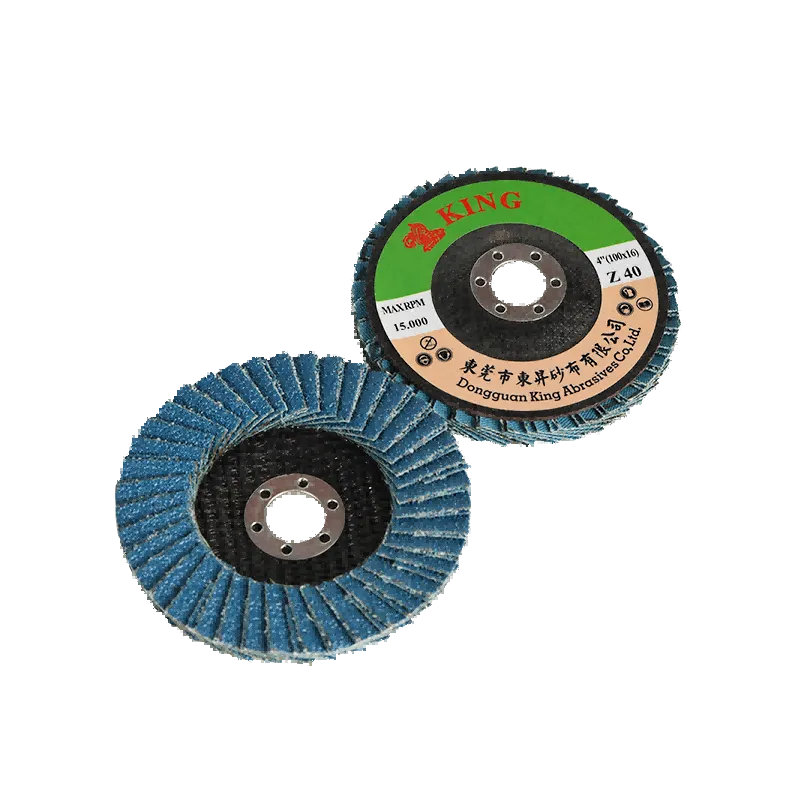
Selecting the right polishing head for a high-performance CNC machining center is one of the most consequential decisions a process engineer can make. The polishing head directly influences surface finish quality, dimensional accuracy, thermal load on the workpiece, and the overall longevity of the spindle assembly. When this selection is made without rigorous evaluation, the consequences range from premature tooling wear and rejected parts to unplanned downtime and escalating maintenance costs that quietly erode production margins.
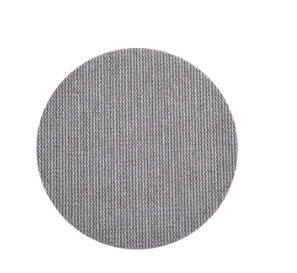
This engineering guide addresses the three critical technical pillars that determine polishing head performance in industrial CNC environments: thermal resistance, vibration control, and maintenance protocols. Whether you are specifying tooling for a new machining line, troubleshooting finish inconsistencies on an existing cell, or standardizing maintenance procedures across a multi-spindle center, understanding how each of these factors interacts with your specific application will dramatically improve your outcomes. The guidance here is built on practical engineering logic, not vendor marketing language, and is intended for the technical professionals who ultimately live with the consequences of these decisions.
Understanding the Role of a Polishing Head in CNC Machining
What the Polishing Head Actually Does in a Precision Machining Workflow
A polishing head serves as the interface between the machine spindle and the workpiece surface, transferring rotational energy into controlled material removal or surface conditioning. Unlike roughing or semi-finishing tools, the polishing head operates at the final stage of the machining sequence, where tolerances are tightest and surface quality expectations are at their peak. Any deficiency in the polishing head — whether in balance, geometry, material composition, or mounting precision — manifests directly in the finished part's surface roughness values and dimensional conformance.
In CNC machining centers, the polishing head must maintain consistent contact pressure across the workpiece surface, even when dealing with complex contours, varying material hardness zones, or interrupted cuts. This demands a high degree of mechanical stiffness combined with controlled compliance. The design of the polishing head must therefore balance rigidity with the ability to absorb dynamic loads without transferring them to the spindle or the workpiece as damaging vibration.
The polishing head also plays a critical role in coolant and lubrication management. Because polishing operations are performed at elevated spindle speeds, heat generation at the contact zone is a persistent concern. The geometry and porosity characteristics of the polishing head's abrasive matrix determine how efficiently cutting fluids penetrate the contact interface, cool the surface, and flush away swarf. This is where thermal resistance becomes a primary engineering consideration rather than a secondary one.
How Polishing Head Specifications Connect to CNC Machine Parameters
Every polishing head specification must be evaluated in direct relation to the CNC machine's spindle speed range, maximum feed rate, available spindle power, and tool change system compatibility. A polishing head rated for a maximum operating speed of 8,000 RPM will not perform reliably on a spindle routinely running at 12,000 RPM, regardless of how well it was manufactured. Engineers must align the polishing head's rated parameters with the actual operating envelope of the machine rather than relying on general application guidelines.
Equally important is the spindle interface compatibility. The polishing head must be mounted with the appropriate adapter or collet system to ensure concentricity within the tolerances required for the surface finish specification. Even a minor runout error at the polishing head mounting flange will amplify into measurable surface waviness at high spindle speeds, undermining every other optimization effort in the machining process. CNC machine builders typically provide recommended runout tolerance limits for their spindles, and polishing head selection should respect these limits rigorously.
Thermal Resistance: Why It Defines Polishing Head Longevity
The Physics of Heat Generation During Polishing Operations
Thermal resistance in a polishing head context refers to its capacity to withstand elevated operating temperatures without degrading its bonding matrix, abrasive grain structure, or dimensional stability. During polishing, frictional heat is generated continuously at the contact zone between the polishing head's active face and the workpiece. The temperature at this interface can exceed material-specific thresholds within seconds if coolant supply is interrupted, feed rates are too low, or the polishing head is worn beyond its effective operating range.
The bonding system within the polishing head — whether vitrified, resin, metal, or rubber-based — has a defined thermal threshold beyond which it begins to soften, lose structural integrity, or allow abrasive grains to release prematurely. For vitrified bond systems, this threshold is generally higher than for organic resin bonds, making vitrified polishing head designs more suitable for high-speed, high-temperature applications where coolant delivery is intermittent or limited by part geometry.
Engineers evaluating thermal resistance should look beyond the bonding material alone. The thermal conductivity of the abrasive grain type, the volume of air pockets within the polishing head structure, and the overall diameter all influence how heat is dissipated during operation. A polishing head with a more open structure allows greater coolant penetration and faster heat removal, while a denser structure provides greater cutting efficiency but requires more aggressive coolant application to manage thermal load effectively.
Selecting Polishing Head Materials Based on Thermal Demands
For applications involving hardened steels, aerospace alloys, or ceramics, the polishing head must be specified with abrasive grain types and bond systems capable of sustaining performance at elevated thermal loads. Cubic boron nitride (CBN) abrasive grains, for instance, offer significantly higher thermal stability than conventional aluminum oxide, making CBN-bonded polishing head configurations the preferred choice for finishing hardened tool steels and superalloys where workpiece surface integrity is non-negotiable.
The selection of grit size also intersects with thermal management. Finer grit polishing head configurations generate more frictional heat per unit area due to the higher number of cutting points per contact zone. This means that when specifying a fine-grit polishing head for a demanding surface finish requirement, the engineer must simultaneously ensure that the coolant supply, spindle speed, and feed rate parameters are optimized to prevent thermal damage to the workpiece — particularly on heat-sensitive materials like titanium alloys or thin-walled components with limited thermal mass.
Practical thermal resistance evaluation should include real-world testing under production conditions rather than relying solely on catalog ratings. Running the polishing head through a representative duty cycle while monitoring both workpiece surface temperature and polishing head wear rate provides the most reliable basis for final selection. Thermal imaging tools are increasingly affordable and provide actionable data during this evaluation phase, helping engineers identify hot spots that indicate inadequate coolant flow or suboptimal polishing head geometry.
Vibration Control: The Hidden Performance Variable in Polishing Head Selection
Sources of Vibration in High-Speed Polishing Operations
Vibration in CNC polishing operations originates from multiple sources: spindle imbalance, polishing head imbalance, machine structural resonances, workpiece fixturing compliance, and the intermittent cutting forces inherent in the polishing contact mechanics. The polishing head itself can be a significant contributor to the vibration chain if it is not precision-balanced, if it carries manufacturing defects in its abrasive matrix, or if it has developed wear patterns that create uneven contact force distribution during operation.
At high spindle speeds, even small imbalances in the polishing head translate into substantial centrifugal forces that excite spindle bearing vibration. This vibration then propagates through the machining system, appearing in the finished surface as chatter marks, waviness, or micro-scratching that fails to meet the specified surface roughness criteria. In worst-case scenarios, sustained vibration at resonant frequencies can accelerate spindle bearing fatigue and reduce machine tool life significantly.
The polishing head's damping characteristics — its ability to absorb rather than transmit dynamic forces — are therefore as important as its cutting efficiency. Vitrified bond polishing head designs with optimized porosity structures have inherent damping properties that help attenuate high-frequency vibration at the contact zone. This is one reason why vitrified polishing head solutions remain the benchmark for precision finishing applications in aerospace and automotive component manufacturing.
Engineering Approaches to Vibration Mitigation Through Polishing Head Design
Specifying a polishing head with the correct balance grade is the first line of defense against vibration-induced surface quality issues. Balance grades for grinding and polishing wheel products are standardized in ISO 1940-1, and CNC machining centers operating at spindle speeds above 5,000 RPM typically require polishing head assemblies balanced to G1.0 or better. Verifying the balance certification of any polishing head before installation is a non-negotiable quality gate in precision manufacturing environments.
Beyond static and dynamic balance, the structural uniformity of the polishing head's abrasive matrix directly affects vibration during operation. Non-uniform hardness zones, density variations, or voids within the polishing head create periodic force fluctuations as they cycle through the contact zone. When sourcing polishing head products for high-performance CNC applications, engineers should request lot-level quality inspection data that verifies hardness consistency across the abrasive body, not just dimensional compliance.
In practice, engineers can further mitigate polishing head-induced vibration by implementing controlled speed ramps during spindle acceleration and deceleration, particularly when working with larger diameter polishing head assemblies that carry greater rotational inertia. Avoiding abrupt spindle speed changes reduces the excitation energy fed into the machine structure and extends both polishing head life and spindle bearing service intervals. The CNC program structure is therefore a practical vibration control tool, not just a speed and feed management document.
Maintenance Protocols That Protect Polishing Head Performance
Establishing a Condition-Based Polishing Head Inspection Cycle
A well-defined maintenance protocol for polishing head management is not about replacing tooling on a fixed calendar schedule — it is about understanding and responding to the actual wear state of the polishing head in relation to the surface quality it is producing. Condition-based inspection links polishing head service intervals to measurable performance indicators: surface roughness readings on production parts, visual inspection of the polishing head active face, dimensional measurement of the remaining usable diameter, and spindle power draw trend data from the CNC machine's monitoring systems.
When surface roughness values begin trending toward the upper control limit of the specification window, this is a reliable early indicator that the polishing head has entered the wear zone where active face geometry is degrading. At this point, the appropriate response is either dressing the polishing head to expose fresh abrasive grain or scheduling replacement if the remaining diameter falls below the minimum safe operating size. Waiting until surface quality actually fails tolerance before acting introduces scrap risk that condition-based management entirely avoids.
Maintenance logs should record the number of parts processed per polishing head, the cumulative material removal volume, the dressing cycles applied, and any anomalies such as glazing, loading, or unusual wear patterns. This data builds a predictive model specific to your application and polishing head specification, enabling procurement and production planning teams to maintain optimal inventory levels without overstocking or experiencing unplanned tooling shortages.
Dressing, Storage, and Handling Best Practices for Industrial Polishing Head Management
Dressing is the single most impactful maintenance action for sustaining polishing head cutting performance between replacement cycles. A properly dressed polishing head presents a fresh, open abrasive surface with consistent geometry, restoring cutting efficiency and reducing the thermal load at the contact zone. Dressing parameters — depth per pass, traverse speed, and dressing tool type — should be standardized for each polishing head specification and documented in the machining process sheet rather than left to operator discretion.
Improper storage of polishing head inventory is a frequently underestimated source of performance variability. Polishing head products should be stored in a controlled environment with moderate humidity and stable temperature, away from vibration sources such as heavy machinery or vehicle traffic areas. Vitrified polishing head products are particularly sensitive to moisture absorption, which can alter the mechanical properties of the bond and increase the risk of structural failure during high-speed operation. Storage racks should support the polishing head vertically or flat without stacking pressure that could cause distortion.
Handling protocols must also address the risk of impact damage, which can create invisible microcracks within the polishing head structure that only manifest as catastrophic failure under operating loads. Every polishing head should be ring-tested — tapped lightly to verify a clear resonant tone indicating structural integrity — before installation, regardless of how recently it was received from the supplier. This simple, seconds-long procedure is one of the most effective safety and quality practices in any polishing head management program.
Integrating Polishing Head Selection into a Broader CNC Process Engineering Strategy
Connecting Polishing Head Choice to Upstream Machining Operations
The polishing head selection process does not occur in isolation — it is downstream of every preceding machining operation in the part production sequence. If the semi-finishing operation leaves excessive stock, surface waviness, or subsurface stress in the workpiece, the polishing head will be forced to compensate through more aggressive material removal than its specification is designed for. This overloads the polishing head, accelerates wear, and ultimately degrades the surface quality it was selected to achieve.
Process engineers should audit the incoming surface condition presented to the polishing head as part of the specification development process. Measuring the pre-polish roughness, dimensional deviation, and hardness consistency of the workpiece at the polishing stage defines the actual task the polishing head must perform. This analysis often reveals opportunities to refine the semi-finishing operation so that the polishing head operates within its optimal material removal rate range rather than at its performance limits.
Aligning polishing head selection with the full process sequence also informs coolant strategy. The volume, pressure, temperature, and chemistry of the cutting fluid delivered to the polishing head contact zone should be specified as part of the polishing process sheet, not left as a default machine setting. Getting the coolant strategy right for a specific polishing head type and workpiece material combination can be the difference between consistent first-pass yield and chronic rework in high-volume production environments.
Documentation and Continuous Improvement for Polishing Head Performance
Continuous improvement in polishing head performance is only possible when the engineering organization maintains thorough documentation of polishing head specifications, actual operating parameters, achieved surface quality results, and tooling consumption data over time. This closed-loop information system allows engineers to identify patterns — such as accelerated polishing head wear correlating with specific raw material batches or seasonal coolant concentration drift — that would otherwise remain invisible within day-to-day production noise.
Formal polishing head performance reviews, conducted quarterly or following any significant change to the product, material, or process, keep the specification current and prevent the organizational drift that gradually allows suboptimal tooling configurations to become entrenched defaults. These reviews should bring together process engineering, quality, maintenance, and procurement perspectives to ensure that polishing head management decisions reflect the full operational context rather than any single functional priority.
FAQ
How do I determine the correct polishing head grit size for my CNC finishing application?
The correct grit size for a polishing head depends on the required surface roughness specification, the incoming surface condition of the workpiece, and the material being machined. As a general principle, coarser grit polishing head configurations remove material faster and are appropriate when the incoming surface roughness is high, while finer grit configurations achieve lower Ra values but require the workpiece to arrive with a finer pre-finish. Engineers should specify grit size based on measured pre-polish roughness data and the target surface roughness, with controlled testing to confirm that the polishing head achieves the required Ra value within an acceptable number of passes.
What is the safest maximum spindle speed for operating an industrial polishing head?
The maximum operating speed for any polishing head is specified by the manufacturer and must never be exceeded. This maximum speed is determined by the polishing head's diameter, bond type, structural integrity rating, and balance grade, and is expressed in either RPM or surface meters per minute (m/s). For CNC applications, the programmed spindle speed should be set no higher than 80% of the rated maximum speed of the polishing head to provide a safety margin that accounts for spindle speed overshoot during acceleration and any diameter reduction that occurs as the polishing head wears and is dressed over its service life.
How often should a polishing head be dressed during continuous production?
Dressing frequency for a polishing head should be determined by monitoring surface roughness output and spindle power draw rather than on a fixed time or part-count basis. In high-volume CNC production, a practical approach is to dress the polishing head at the start of each shift as a baseline and then monitor output quality to determine whether mid-shift dressing is required based on the specific application's wear rate. Applications involving hard or abrasive materials will require more frequent dressing cycles than those processing softer materials. Establishing a dressing interval through controlled production trials and documenting it in the process sheet provides the most reliable and application-specific guidance.
Can a polishing head designed for manual grinding equipment be used on a CNC machining center?
No. A polishing head designed for manual or bench grinding applications should not be used on a CNC machining center. Manual-grade polishing head products are manufactured to lower balance grades, may not be rated for the spindle speeds of CNC machines, and are typically produced without the dimensional and structural consistency required for precision automated operations. Using an incorrectly specified polishing head on a CNC machining center creates serious safety risks, including structural failure under centrifugal stress, as well as quality risks from vibration, imbalance, and inconsistent cutting behavior. Always specify polishing head products that are explicitly rated and certified for CNC machine tool use at the required operating speed.
Table of Contents
- Understanding the Role of a Polishing Head in CNC Machining
- Thermal Resistance: Why It Defines Polishing Head Longevity
- Vibration Control: The Hidden Performance Variable in Polishing Head Selection
- Maintenance Protocols That Protect Polishing Head Performance
- Integrating Polishing Head Selection into a Broader CNC Process Engineering Strategy
-
FAQ
- How do I determine the correct polishing head grit size for my CNC finishing application?
- What is the safest maximum spindle speed for operating an industrial polishing head?
- How often should a polishing head be dressed during continuous production?
- Can a polishing head designed for manual grinding equipment be used on a CNC machining center?