 EN
EN


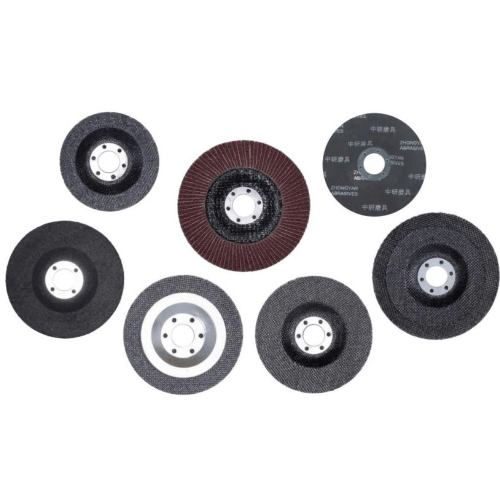
Selecting the right abrasive tool for your grinding, sanding, and finishing applications can significantly impact both efficiency and final results. The flap wheel stands out as one of the most versatile abrasive tools in modern manufacturing and fabrication environments, offering exceptional performance across diverse materials and surface preparation tasks. Understanding the key characteristics, material compatibility, and performance specifications of different flap wheel designs enables professionals to make informed decisions that optimize productivity while maintaining consistent quality standards. This comprehensive guide explores the essential factors that determine flap wheel selection, helping you navigate the complexities of grit selection, mounting options, and application-specific considerations that define successful abrasive operations.
Understanding Flap Wheel Construction and Design
Core Structure and Materials
The fundamental design of a flap wheel consists of abrasive cloth flaps arranged radially around a central hub, creating a flexible grinding surface that conforms to workpiece contours. Each flap typically measures between 25-50mm in length, depending on the wheel diameter and intended application requirements. The backing material, usually cotton or polyester cloth, provides durability and flexibility while supporting the abrasive grain throughout the grinding process. High-quality flap wheels incorporate phenolic resin bonding systems that ensure consistent grain retention and prevent premature flap separation under demanding operating conditions.
Manufacturing processes vary significantly between suppliers, with premium flap wheels featuring precisely controlled flap spacing and uniform grain distribution across all surfaces. The hub construction typically utilizes steel, aluminum, or composite materials depending on the intended operating speeds and torque requirements. Advanced designs incorporate ventilation channels that promote heat dissipation and debris removal, preventing loading and extending operational life. Understanding these construction details helps identify quality differences that directly impact performance consistency and cost-effectiveness in production environments.
Abrasive Grain Types and Properties
Aluminum oxide represents the most common abrasive grain used in flap wheel manufacturing, offering excellent performance on ferrous metals, wood, and general-purpose applications. This versatile grain type provides consistent cutting action with moderate heat generation, making it suitable for both rough grinding and fine finishing operations. Silicon carbide grains deliver superior performance on non-ferrous materials, ceramics, and composites, though they typically exhibit faster wear rates on steel applications. Zirconia alumina grains offer enhanced cutting speed and extended life when processing stainless steel, high-alloy materials, and demanding production applications.
Ceramic alumina grains represent the premium option for high-performance applications, featuring self-sharpening properties that maintain cutting efficiency throughout the wheel life. These advanced grains excel in heavy stock removal applications while generating minimal heat, making them ideal for heat-sensitive materials and precision work. Selecting the appropriate grain type requires understanding material compatibility, desired surface finish quality, and production volume requirements. Each grain type exhibits distinct wear characteristics and cutting behaviors that influence both initial performance and long-term operational costs.
Grit Selection and Surface Finish Considerations
Coarse Grit Applications and Performance
Coarse grit flap wheels, typically ranging from 36 to 80 grit, excel in heavy stock removal applications where aggressive cutting action and high material removal rates take priority over surface finish quality. These wheels effectively remove weld beads, scale, rust, and surface imperfections while maintaining excellent conformability around complex geometries. The larger abrasive particles create deeper scratch patterns that facilitate subsequent finishing operations, though they require careful technique to avoid excessive gouging or surface damage. Professional applications often utilize coarse grit wheels for initial shaping operations before transitioning to finer grits for surface refinement.
Operating parameters for coarse grit flap wheels require attention to contact pressure and traverse speed to achieve optimal material removal without compromising workpiece integrity. Higher contact pressures increase cutting aggression but may lead to premature wheel wear or workpiece overheating, particularly on heat-sensitive alloys. The flexible nature of a flap wheel allows operators to maintain consistent surface contact even on irregular surfaces, though excessive pressure can cause flap deflection and reduced cutting efficiency. Understanding these operational characteristics ensures maximum productivity while maintaining acceptable surface quality standards.
Fine Grit Finishing and Precision Work
Fine grit flap wheels, ranging from 120 to 400 grit, specialize in surface finishing, blending, and precision preparation applications where surface quality and dimensional accuracy take precedence. These wheels generate minimal heat while producing consistent surface textures suitable for painting, plating, or subsequent coating operations. The smaller abrasive particles create uniform scratch patterns that enhance coating adhesion while eliminating visible tool marks and surface irregularities. Fine grit applications typically require lighter contact pressures and higher surface speeds to achieve optimal cutting action without loading or glazing.
Progressive grit sequences often deliver superior results when transitioning from rough to finish operations, with each successive grit removing scratches from the previous operation while refining surface texture. Professional finishing protocols typically specify no more than two grit steps between operations to maintain efficiency while ensuring complete scratch removal. The conformable nature of flap wheels makes them particularly effective for finishing complex shapes, internal surfaces, and areas where rigid abrasives cannot maintain consistent contact. Understanding proper grit progression techniques maximizes surface quality while minimizing processing time and material waste.
Mounting Systems and Shaft Configurations
Arbor Hole and Direct Mount Options
Standard arbor hole mounting represents the most common flap wheel configuration, featuring center holes ranging from 6mm to 25mm diameter depending on wheel size and intended application. These wheels mount directly onto tool spindles or mandrels, providing rigid connection and precise runout control for demanding applications. Quality arbor hole wheels incorporate reinforced hubs with steel or aluminum inserts that prevent hole enlargement and maintain concentricity throughout the wheel life. Proper mounting requires attention to clamping force distribution to prevent hub distortion while ensuring secure retention during operation.
Thread-on mounting systems offer convenient wheel changes and positive retention for portable tools and light-duty applications. These systems typically feature M14 or 5/8-11 threads that match common angle grinder spindles, though torque limitations may restrict their use in heavy-duty production environments. Hub reinforcement becomes critical in threaded applications to prevent thread stripping or hub failure under high torque conditions. Understanding mounting system capabilities and limitations ensures appropriate wheel selection for specific tools and operating conditions while maintaining safety and performance standards.
Shaft-Mounted and Spindle Configurations
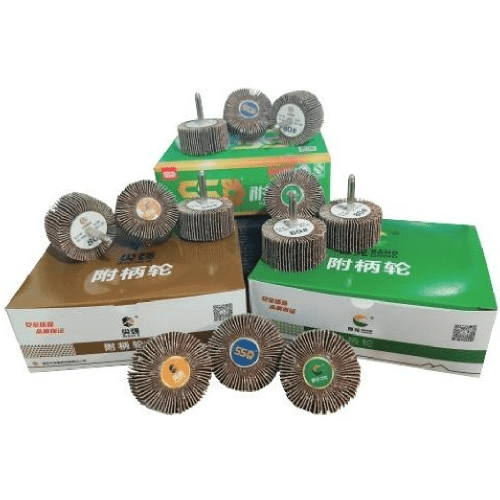
Shaft-mounted flap wheels integrate the abrasive wheel with a permanent steel shaft, creating a complete tool assembly ready for use with drill motors, die grinders, and flexible shaft equipment. These configurations offer excellent balance, minimal runout, and convenient handling for handheld operations. Shaft diameters typically range from 3mm to 12mm, with lengths optimized for specific reach requirements and tool compatibility. The integrated design eliminates mounting concerns while providing consistent performance characteristics throughout the wheel life.
Spindle-mounted systems allow multiple wheel configurations on a single shaft, enabling rapid wheel changes and versatile setup options for production environments. These systems typically feature keyway or hex drive configurations that ensure positive torque transmission while allowing axial positioning adjustments. Quality spindle systems incorporate precision bearings and balanced assemblies that minimize vibration and extend tool life. Understanding different mounting options enables optimal tool selection for specific applications while maximizing operational flexibility and efficiency.
Material Compatibility and Application Guidelines
Ferrous Metal Processing
Steel processing represents the primary application domain for most flap wheel designs, with aluminum oxide and zirconia alumina grains delivering excellent performance across various alloy types. Carbon steel applications typically benefit from standard aluminum oxide wheels that provide consistent cutting action with moderate heat generation. Stainless steel processing often requires zirconia alumina or ceramic grains that maintain cutting efficiency despite the material's work-hardening characteristics and heat sensitivity. Proper technique involves maintaining moderate contact pressures while ensuring adequate traverse speeds to prevent work hardening and heat accumulation.
Cast iron applications demand special consideration due to the material's abrasive nature and graphite content, which can cause loading and reduce wheel effectiveness. Silicon carbide grains often perform better on cast iron surfaces, though aluminum oxide wheels remain acceptable for light-duty operations. The graphite content in cast iron acts as a lubricant that can reduce cutting efficiency while promoting loading, requiring frequent wheel cleaning or dressing to maintain performance. Understanding material-specific behaviors enables appropriate wheel selection and operational adjustments that optimize productivity while maintaining surface quality standards.
Non-Ferrous and Composite Materials
Aluminum processing requires careful attention to heat generation and material buildup, as the soft metal readily adheres to abrasive surfaces and causes loading. Silicon carbide grains typically outperform aluminum oxide on aluminum applications, providing cleaner cutting action with reduced loading tendencies. Open coat configurations and specialized anti-loading treatments further enhance performance on aluminum and other soft metals. Operating techniques should emphasize light contact pressures and continuous movement to prevent heat buildup and material welding to the abrasive surface.
Composite materials, including fiberglass, carbon fiber, and advanced polymers, present unique challenges due to their layered construction and varying hardness properties. These materials often require specialized abrasive formulations that cut cleanly through different layers without delamination or fiber pullout. Dust control becomes critical in composite processing due to health concerns associated with airborne particles. Understanding composite-specific grinding techniques and safety requirements ensures effective material removal while maintaining operator safety and environmental compliance standards.
Performance Optimization and Operating Techniques
Speed and Pressure Management
Operating speed selection directly impacts flap wheel performance, with optimal surface speeds typically ranging from 15-25 m/s depending on wheel diameter and application requirements. Higher speeds increase cutting efficiency and surface finish quality but may generate excessive heat on sensitive materials or cause premature wheel wear. Lower speeds provide better control for precision work and reduce heat generation, though they may result in loading or reduced material removal rates. Understanding speed relationships enables operators to optimize performance while maintaining safety margins and wheel life expectations.
Contact pressure management represents a critical skill that distinguishes experienced operators from novices, as excessive pressure reduces wheel life while potentially damaging workpieces through heat generation or gouging. Optimal pressure varies with material type, wheel condition, and desired surface finish, requiring constant adjustment throughout the grinding process. The self-sharpening nature of flap wheels means that properly applied light pressure often delivers better results than heavy-handed techniques. Developing proper pressure sensitivity through practice and feedback enables consistent results while maximizing wheel utilization and surface quality.
Traverse Techniques and Coverage Patterns
Proper traverse techniques ensure uniform surface coverage while preventing heat accumulation and maintaining consistent surface finish quality. Overlapping passes of 25-50% provide adequate coverage without excessive rework, though the optimal overlap depends on wheel width, material type, and finish requirements. Linear traverse patterns work best for flat surfaces, while circular or figure-eight patterns suit curved or complex geometries. Maintaining consistent traverse speed prevents localized heating while ensuring uniform material removal across the entire work surface.
Coverage pattern selection influences both productivity and surface quality, with systematic approaches delivering superior results compared to random grinding patterns. Professional techniques often incorporate multiple passes at different angles to eliminate directional scratches and achieve uniform surface texture. The flexible nature of flap wheels allows them to follow surface contours naturally, though operators must maintain awareness of contact area variations that can affect material removal rates. Understanding systematic grinding approaches maximizes efficiency while ensuring consistent results across complex workpiece geometries.
Quality Assessment and Selection Criteria
Performance Indicators and Testing Methods
Evaluating flap wheel quality requires systematic assessment of multiple performance characteristics including initial cutting rate, sustained performance, and overall wheel life under controlled conditions. Professional testing protocols typically involve standardized materials, consistent operating parameters, and measurable outcomes such as material removal rates and surface finish quality. Initial sharpness provides insight into manufacturing quality and grain distribution, while sustained performance indicates bond strength and grain retention characteristics throughout the operational cycle.
Wheel life assessment encompasses both absolute durability and maintained cutting efficiency over time, as some wheels may maintain structural integrity while losing cutting effectiveness. Heat generation measurements during operation provide valuable insight into grinding efficiency and potential workpiece effects, particularly important for heat-sensitive applications. Vibration levels and balance quality affect both surface finish and operator comfort, making these factors important considerations for handheld and precision applications. Understanding comprehensive evaluation techniques enables informed quality comparisons between different suppliers and product lines.
Cost-Effectiveness Analysis
True cost analysis extends beyond initial purchase price to include operational factors such as material removal rates, wheel life, and labor efficiency throughout the complete operational cycle. Higher-quality wheels often justify premium pricing through extended operational life, improved cutting rates, and reduced operator fatigue during extended use. Labor costs typically represent the largest component of grinding operations, making productivity improvements more valuable than minor material cost savings. Understanding total cost relationships enables objective evaluation of different wheel options based on actual operational economics rather than simple purchase price comparisons.
Productivity metrics should include both quantitative measures such as material removal rates and qualitative factors including surface finish consistency, operator comfort, and setup time requirements. Some applications benefit from premium wheels that deliver superior results with minimal operator skill requirements, while others may favor economical options where labor costs remain low. Inventory considerations also influence total costs, as wheels with extended shelf life and broad application ranges reduce stocking complexity and minimize waste from expired products. Comprehensive cost analysis ensures optimal value while meeting performance requirements across diverse operational scenarios.
FAQ
What determines the appropriate grit size for specific applications
Grit selection depends primarily on the desired material removal rate and final surface finish requirements. Coarse grits (36-80) excel in heavy stock removal and initial shaping operations, while fine grits (120-400) provide superior surface finish quality for preparation and finishing applications. Material hardness also influences grit selection, with harder materials typically requiring coarser grits to maintain cutting efficiency. The general rule involves starting with the coarsest grit that achieves acceptable surface quality, then progressing through finer grits if additional finish improvement is needed.
How do operating speeds affect flap wheel performance and longevity
Operating speed directly impacts both cutting efficiency and wheel wear rates, with optimal surface speeds typically ranging from 15-25 m/s for most applications. Higher speeds increase material removal rates and improve surface finish quality but may generate excessive heat on sensitive materials and accelerate wheel wear. Lower speeds provide better control and reduce heat generation but may result in loading or reduced productivity. Matching speed to application requirements and material characteristics ensures optimal performance while maximizing wheel life and maintaining safety standards.
What safety considerations are essential when using flap wheels
Primary safety considerations include proper wheel mounting, appropriate speed limits, and adequate personal protective equipment including safety glasses, hearing protection, and respiratory protection when processing materials that generate hazardous dust. Wheel inspection before use helps identify damage or wear that could lead to failure during operation. Proper guarding and work rest positioning prevent accidental contact while maintaining operator control throughout grinding operations. Understanding material-specific hazards, particularly with composites or coated materials, ensures appropriate safety measures and environmental controls are implemented.
How can operators maximize flap wheel life and performance
Maximizing wheel performance requires attention to operating technique, including appropriate contact pressure, consistent traverse patterns, and avoiding excessive dwelling in single locations that can cause heat buildup and premature wear. Regular wheel cleaning removes loading and maintains cutting efficiency, while proper storage protects wheels from moisture and physical damage. Using the correct wheel specification for each application prevents overloading and ensures optimal performance characteristics. Systematic rotation through multiple wheels during extended operations allows cooling time and extends overall tool life while maintaining consistent productivity levels.